
Network Rail Compliant Call Recording: Where AI Fits In
-
 Bella Williams
 - 10 min read

In the UK rail industry, the importance of safety-critical communications cannot be overstated. With the impending compliance requirements set forth by Network Rail's NR/L3/OPS/301 standards, organizations must ensure that all safety-critical calls are recorded, retrievable, and auditable. This regulatory shift is not just about compliance; it is about enhancing safety, improving operational efficiency, and ensuring accountability across all levels of the workforce. As the industry prepares for the March 2026 deadline, leveraging AI technology in call recording becomes not just beneficial but essential.
The Safety Critical Communications Challenge
The stakes are high when it comes to safety-critical communications in the rail sector. Compliance with regulatory requirements is paramount, as non-compliance can lead to severe repercussions, including legal liabilities and safety incidents. The challenge lies in effectively monitoring and documenting the vast number of communications that occur daily across various platforms and devices.
The Manual Review Problem
Traditional monitoring methods rely heavily on manual review processes, which can be both time-consuming and ineffective. Supervisors typically review only a small sample of calls, often leading to:
- Coverage Gap: Manual reviews often cover less than 5% of communications, leaving 95%+ of interactions unmonitored.
- Delayed Detection: Issues are often identified weeks or even months after they occur, making timely interventions nearly impossible.
- Contractor Blindness: Lack of visibility into subcontractor communications can result in compliance gaps.
- Documentation Burden: The administrative load of managing compliance documentation is overwhelming for teams.
These challenges create a scalability crisis, especially when considering the vast number of calls made by a distributed workforce. For instance, with 500 workers each making 50 calls daily, organizations can face up to 25,000 calls a day, making manual review impractical.
How AI Call Recording Analysis Works
AI technology offers a robust solution to the challenges of compliance in safety-critical communications. By automating the call recording and analysis process, organizations can ensure comprehensive oversight and compliance readiness.
The AI Pipeline
Step 1: Call Recording Capture
AI systems can capture voice recordings from various sources, including mobile devices, VoIP systems, and control rooms, ensuring that all communications are recorded in a retrievable format.
Step 2: Speech-to-Text Transcription
Using advanced speech recognition technology, AI can transcribe calls with over 95% accuracy, recognizing rail-specific terminology and identifying multiple speakers.
Step 3: Protocol Analysis
AI analyzes the transcripts against established safety-critical communication protocols, detecting:
- Phonetic alphabet usage and errors
- Compliance with repeat-back protocols
- Message structure adherence
- Any ambiguous language or protocol violations
Step 4: Scoring & Flagging
The system assigns an overall compliance score and flags specific protocol failures, allowing organizations to identify training needs and detect trends in communication quality.
Step 5: Insights & Reporting
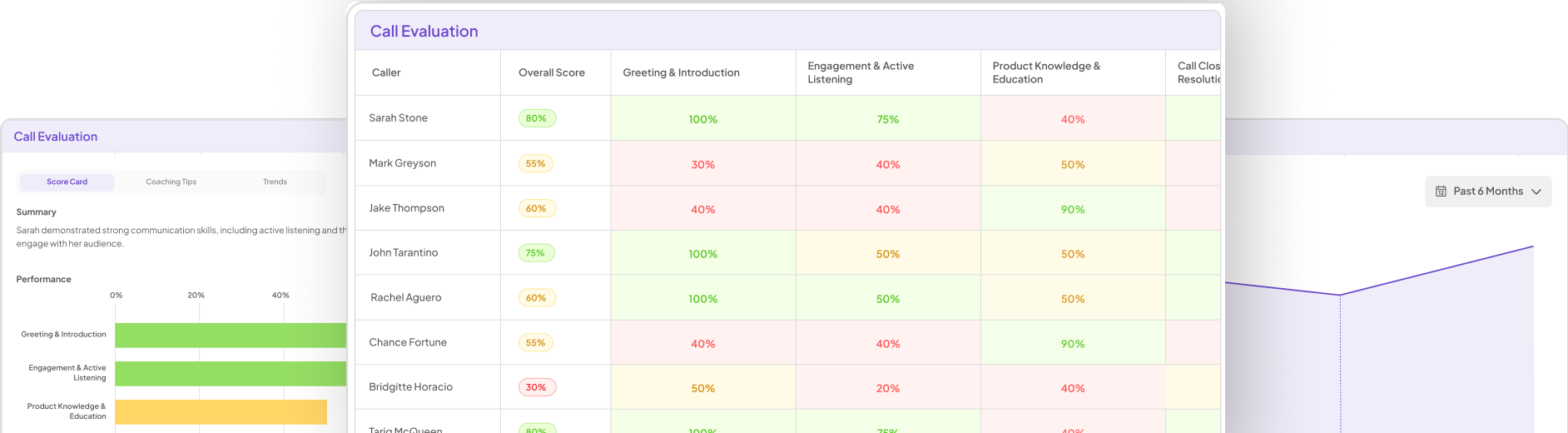
AI-generated dashboards provide insights into worker performance, team comparisons, and compliance documentation, making it easier to prepare for audits and improve training programs.
By integrating AI into call recording processes, organizations can not only meet compliance requirements but also enhance their overall communication effectiveness.
Compliance & Regulatory Requirements
The Network Rail NR/L3/OPS/301 standards outline specific requirements for safety-critical communications that organizations must adhere to:
- Recording Systems: All safety-critical communications must be recorded, including those from contractors and subcontractors.
- Retrievability: Recordings must be easily retrievable for audits and incident investigations.
- Quality Standards: Organizations must maintain defined quality standards for recorded communications.
- Audit Trail: A systematic audit trail must be established to demonstrate compliance.
What Must Be Recorded
Key communications that need to be recorded include:
- Controller-to-trackside communications
- Engineering supervisor instructions
- Safety briefings and emergency communications
Failure to comply with these requirements could result in significant operational and legal risks, making it critical for organizations to implement effective recording solutions.
Implementation & Integration
To successfully integrate AI-powered call recording solutions, organizations need to follow a structured approach:
Preparation
- Define Scope: Identify which communications to record and who will be monitored (internal staff, contractors, etc.).
- Assess Current Systems: Evaluate existing phone systems and BYOD prevalence.
Execution
- Select a Vendor: Choose a compliant AI solution like Insight7 that meets the technical and regulatory requirements.
- Technical Integration: Implement the AI solution across all communication platforms, ensuring compatibility with existing systems.
Evaluation
- Monitor Effectiveness: Continuously assess the performance of the AI system in capturing and analyzing communications.
- Refine Protocols: Use insights gained from AI analysis to improve communication protocols and training interventions.
Iteration & Improvement
- Feedback Loop: Establish a feedback mechanism to refine AI algorithms and improve transcription accuracy and protocol adherence over time.
By following these steps, organizations can ensure a smooth transition to AI-driven compliance solutions, ultimately enhancing safety and operational efficiency.
Conclusion
The integration of AI in call recording for Network Rail compliance is not just a regulatory necessity; it is a strategic advantage. By automating the monitoring and analysis of safety-critical communications, organizations can enhance compliance readiness, improve workforce competence, and ultimately contribute to a safer rail environment. As the March 2026 deadline approaches, embracing AI technology will be key to navigating the complexities of compliance and ensuring the safety of all rail operations.