
Negotiation AI Training: Competitor Buyout Clause Requested
-
 Bella Williams
 - 10 min read

Introduction to Negotiation AI Training: Competitor Buyout Clause Considerations
Negotiation AI training has emerged as a critical tool for organizations navigating complex business landscapes, particularly when it comes to sensitive topics like competitor buyout clauses. As companies seek to enhance their negotiation capabilities, AI-powered coaching and roleplay offer a unique solution that allows teams to practice and refine their skills in a risk-free environment. This approach not only prepares individuals for high-stakes conversations but also transforms traditionally subjective soft skills into measurable competencies.
The integration of AI in negotiation training provides a dynamic platform where learners can engage in realistic simulations tailored to their specific needs. By utilizing advanced technologies such as natural language processing and behavioral analytics, organizations can create customized scenarios that reflect real-world challenges. This not only enhances engagement but also ensures that feedback is immediate and data-driven, allowing for continuous improvement in negotiation tactics and strategies.
Scenario: Navigating Competitor Buyout Clauses with AI Roleplay
Scenario: Navigating Competitor Buyout Clauses with AI Roleplay
Setting:
In a corporate boardroom, a team of negotiators prepares to engage in discussions regarding a competitor buyout clause. The atmosphere is tense, as the stakes are high, and the team must navigate complex legal and financial implications while maintaining a strong negotiating position.
Participants / Components:
- Lead Negotiator: Responsible for guiding the conversation and making strategic decisions.
- Legal Advisor: Provides insights on the legal ramifications of the buyout clause and ensures compliance with regulations.
- Financial Analyst: Analyzes the financial impact of the buyout and presents data to support the negotiation strategy.
- AI Roleplay System: Simulates various negotiation scenarios, adapting responses based on the team's actions and strategies.
Process / Flow / Response:
Step 1: Preparation and Scenario Configuration
The team configures the AI roleplay system to reflect the specific competitor buyout scenario, including key objectives, potential objections, and desired outcomes. This setup allows the team to practice tailored negotiation strategies in a controlled environment.
Step 2: Dynamic AI Roleplay Engagement
The team engages in a live, unscripted negotiation with the AI, which takes on the persona of the competitor's representative. The AI adapts its responses in real-time, challenging the team with counterarguments and objections, thereby simulating a realistic negotiation environment.
Step 3: Evaluation and Feedback
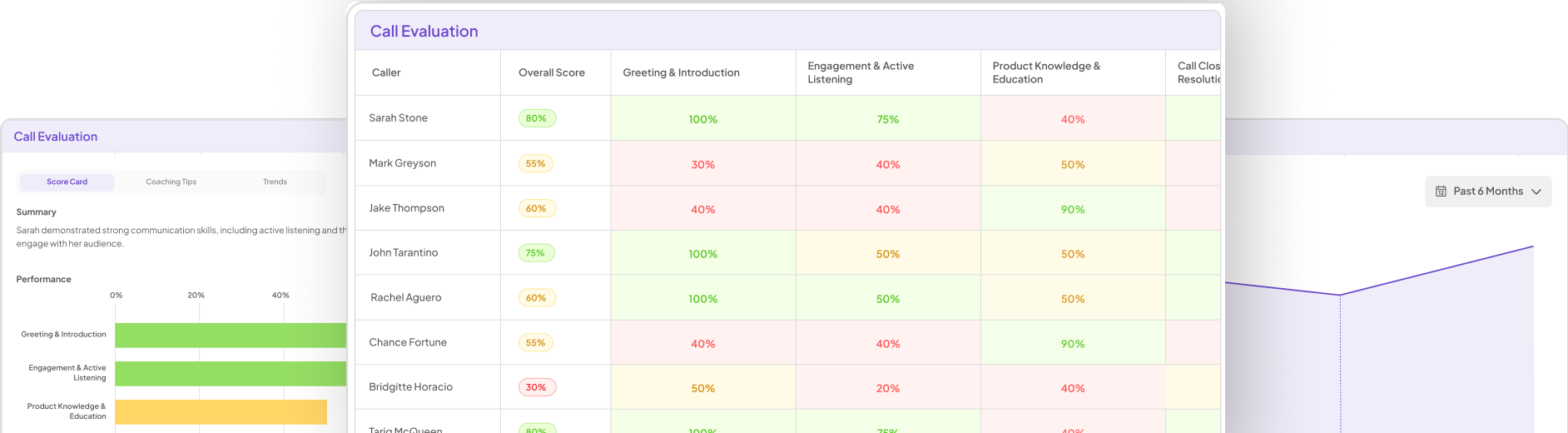
After the roleplay session, the AI analyzes the negotiation performance across various dimensions, such as clarity of communication, empathy, and goal alignment. The team receives immediate, data-driven feedback, highlighting strengths and areas for improvement, which they can use to refine their approach for real-world negotiations.
Outcome:
The expected outcome is a well-prepared negotiation team that has practiced navigating complex buyout clauses effectively. By leveraging AI roleplay, the team enhances their negotiation skills, builds confidence, and is better equipped to handle high-stakes discussions with competitors.
Frequently Asked Questions about Negotiation AI Training and Buyout Clauses
Q: What is Negotiation AI Training?
A: Negotiation AI Training utilizes artificial intelligence to simulate realistic negotiation scenarios, allowing teams to practice and refine their skills in a controlled environment.
Q: How does AI-powered coaching enhance negotiation skills?
A: AI-powered coaching provides immediate, data-driven feedback on communication behaviors, enabling participants to identify strengths and areas for improvement in real-time.
Q: Can AI roleplay scenarios be customized for specific negotiations?
A: Yes, organizations can configure AI roleplay scenarios to reflect specific negotiation contexts, including competitor buyout clauses, ensuring relevance to their unique challenges.
Q: What are the benefits of using AI in negotiation training?
A: Benefits include risk-free practice, scalable coaching, faster skill development, personalized feedback, and objective measurement of progress over time.
Q: How quickly can organizations expect to see results from AI negotiation training?
A: Many organizations report measurable improvements in negotiation skills within 2–4 weeks of implementing AI training solutions.
Q: Is AI negotiation training suitable for all levels of employees?
A: Absolutely! AI negotiation training is beneficial for both new hires and seasoned leaders, helping to enhance communication skills across all experience levels.