

Negotiation AI Roleplay: Prospect Requests Unrealistic SLA
-
 Bella Williams
 - 10 min read

Introduction: Navigating Unrealistic SLA Requests in Negotiation
In the world of negotiation, unrealistic Service Level Agreement (SLA) requests can pose significant challenges for professionals. These demands often arise from prospects who may not fully understand the implications of their requests or the realities of service delivery. Navigating these conversations effectively is crucial, as it not only impacts the immediate negotiation but also shapes long-term relationships and trust with clients.
AI-powered roleplay and coaching can play a transformative role in preparing negotiators to handle such situations. By simulating realistic scenarios where prospects request unrealistic SLAs, professionals can practice their responses in a risk-free environment. This training allows them to develop the necessary skills to articulate the limitations of their offerings while still addressing the prospect's needs, ultimately leading to more productive negotiations and better outcomes for both parties.
Scenario: Roleplaying Negotiation with AI for Unrealistic SLA Demands
Scenario: Roleplaying Negotiation with AI for Unrealistic SLA Demands
Setting:
This scenario takes place in a virtual negotiation room where a sales representative is engaging with an AI-powered persona representing a prospect. The prospect is requesting an unrealistic Service Level Agreement (SLA) that exceeds the company’s capabilities.
Participants / Components:
- Sales Representative: The individual responsible for negotiating terms and conditions with the prospect.
- AI Persona (Prospect): A simulated character that embodies the client’s demands, including unrealistic SLA expectations.
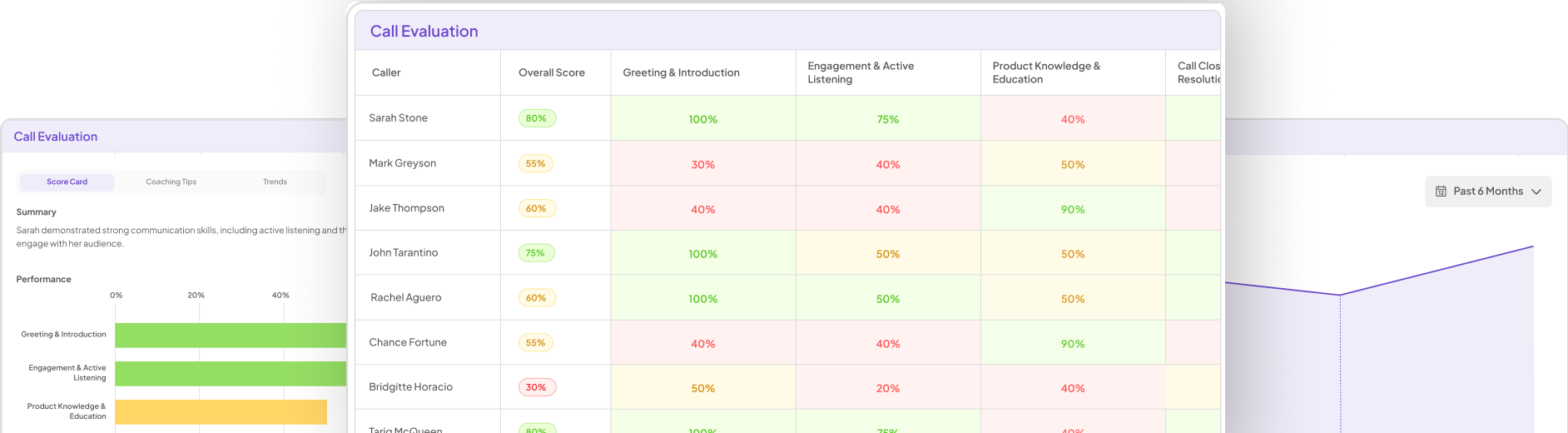
- AI Coaching Platform: The tool that facilitates the roleplay, providing real-time feedback and analysis of the negotiation.
Process / Flow / Response:
Step 1: Identify the Demand
The sales representative begins the conversation by acknowledging the prospect's request for an SLA that includes 24/7 support with a 1-hour response time. The representative must clarify the implications of such demands, including resource allocation and potential impact on service quality.
Step 2: Articulate Limitations
The representative uses data-driven insights from the AI coaching platform to explain the limitations of their service. They emphasize the importance of setting realistic expectations and suggest alternative SLAs that align with the company's capabilities while still addressing the prospect's needs.
Step 3: Engage in Problem Solving
The representative encourages a collaborative discussion by asking open-ended questions to understand the prospect's underlying motivations. This could involve exploring the reasons behind the unrealistic demands and working together to find a mutually beneficial solution, such as a phased approach to service delivery.
Outcome:
The desired result is a productive negotiation where the sales representative successfully communicates the limitations of their offerings while maintaining a positive relationship with the prospect. By the end of the roleplay, the representative should feel more confident in handling similar situations in real-life negotiations, equipped with strategies to navigate unrealistic demands effectively.
Frequently Asked Questions on Handling Unrealistic SLA Requests in Negotiation
Q: What should I do if a prospect requests an SLA that is unrealistic?
A: Start by acknowledging their request and clarifying the implications of such demands. Use data-driven insights to explain the limitations of your service and suggest alternative SLAs that align with your capabilities.
Q: How can AI-powered roleplay help in handling unrealistic SLA requests?
A: AI-powered roleplay allows you to practice these challenging conversations in a risk-free environment, helping you develop the skills to articulate limitations while still addressing the prospect's needs.
Q: What are some effective strategies for negotiating with prospects who have unrealistic expectations?
A: Engage in problem-solving by asking open-ended questions to understand their motivations. Collaborate to find mutually beneficial solutions, such as a phased approach to service delivery.
Q: How can I measure my improvement in handling unrealistic SLA requests?
A: Use AI coaching platforms that provide automated evaluations of your conversations, scoring you on clarity, empathy, and goal alignment. This feedback will help you track your progress over time.
Q: Is AI coaching suitable for both new hires and experienced negotiators?
A: Yes, AI coaching is valuable for all levels, providing personalized feedback and practice opportunities that can enhance the skills of both new hires and seasoned professionals.
Q: What outcomes can I expect from practicing with AI roleplay?
A: You can expect increased confidence in handling negotiations, improved communication skills, and a better understanding of how to set realistic expectations with prospects.