

Need Objection AI Simulation: Not Looking for New Vendors
-
 Bella Williams
 - 10 min read

Introduction: Overcoming the "Not Looking for New Vendors" Objection with AI Simulation
Overcoming the "Not Looking for New Vendors" objection is a common challenge in sales, particularly in competitive markets where existing relationships can create inertia. This objection often stems from a prospect's comfort with their current vendor, making it crucial for sales professionals to demonstrate unique value and relevance. In this context, AI-powered roleplay and coaching can be transformative, allowing sales teams to practice and refine their approaches to handling such objections in a risk-free environment.
AI simulations provide a dynamic platform for practicing responses to objections like "not looking for new vendors." By engaging in realistic conversations with AI personas, sales professionals can experiment with different strategies and receive immediate feedback on their communication skills. This iterative practice not only builds confidence but also equips teams with the tools to effectively convey their value proposition, ultimately enhancing their ability to convert objections into opportunities.
Scenario: Navigating Vendor Objections in Sales Conversations
Scenario: Navigating Vendor Objections in Sales Conversations
Setting:
This scenario takes place in a virtual sales meeting where a sales representative is engaging with a potential client who has expressed reluctance to consider new vendors due to their existing relationships.
Participants / Components:
- Sales Representative: The individual responsible for presenting the product and addressing objections.
- Prospective Client: A decision-maker who is currently satisfied with their existing vendor and is hesitant to explore alternatives.
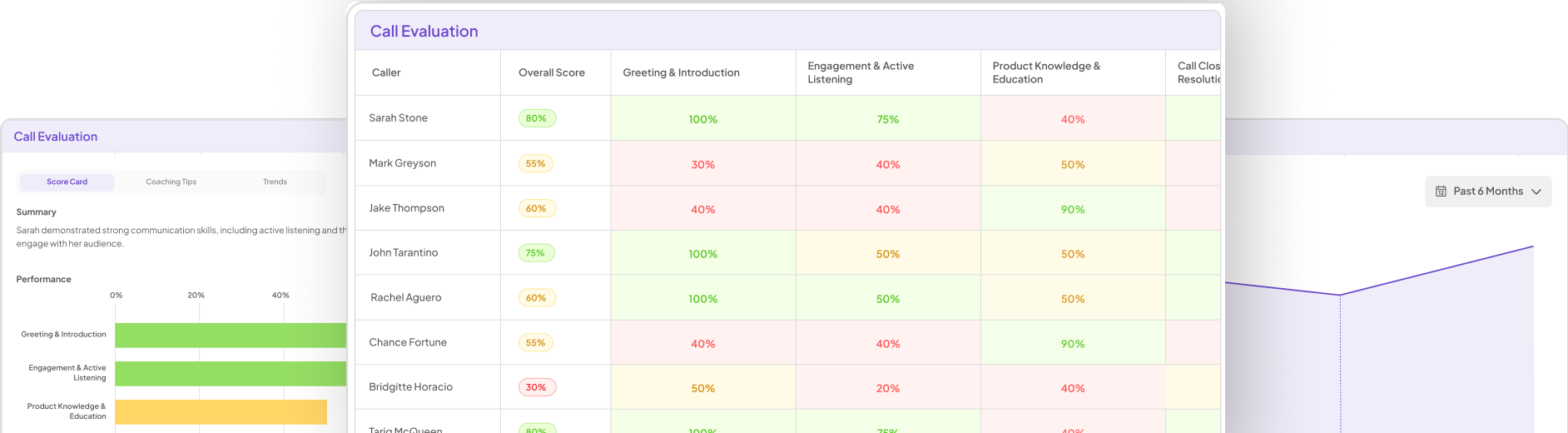
- AI Coaching Platform: A tool that provides real-time feedback and simulation of the conversation.
Process / Flow / Response:
Step 1: Acknowledge the Objection
The sales representative begins by acknowledging the client's current satisfaction with their vendor. For example, they might say, "I understand that you have a strong relationship with your current vendor, and that’s important."
Step 2: Explore the Client's Needs
Next, the representative asks open-ended questions to uncover the client's specific needs and pain points. They could ask, "What are some challenges you face with your current vendor that you wish were addressed?" This encourages the client to share insights that may reveal opportunities for the sales representative's solution.
Step 3: Present Unique Value
Based on the information gathered, the sales representative highlights unique aspects of their offering that align with the client's needs. They might say, "Our solution offers a feature that directly addresses the issue of [specific challenge], which could enhance your overall experience."
Outcome:
The expected outcome is a more engaged conversation where the prospective client feels heard and understood. By effectively navigating the objection, the sales representative can position their product as a viable alternative, potentially leading to a follow-up meeting or a trial of the product. The AI coaching platform provides feedback on the representative's performance, helping them refine their approach for future interactions.
Frequently Asked Questions on AI Simulation for Objection Handling
Q: What is AI-powered coaching for objection handling?
A: AI-powered coaching uses artificial intelligence to simulate realistic conversations, allowing sales professionals to practice handling objections like "not looking for new vendors" in a safe environment.
Q: How does AI simulation improve objection handling skills?
A: AI simulations provide immediate feedback on communication behaviors, helping users refine their responses and develop more effective strategies for overcoming objections.
Q: Can AI coaching replace human trainers?
A: No, AI coaching complements human training by providing scalable practice and objective feedback, but it does not replace the nuanced understanding and empathy that human trainers offer.
Q: How quickly can users expect to see results from AI coaching?
A: Many users report measurable improvements in their objection handling skills within 2–4 weeks of consistent practice with AI simulations.
Q: Is AI coaching suitable for all levels of sales professionals?
A: Yes, AI coaching is beneficial for both new hires and experienced sales professionals looking to enhance their skills and adapt to changing market dynamics.
Q: What types of objections can be practiced with AI simulations?
A: AI simulations can be tailored to practice a wide range of objections, including pricing concerns, vendor loyalty, and decision-making delays, making them versatile for various sales scenarios.








