
March 2026 Rail Compliance Deadline: AI Tools to Get Ready
-
 Bella Williams
 - 10 min read

The rail industry is on the brink of a significant transformation as the March 2026 compliance deadline for Network Rail's NR/L3/OPS/301 regulations approaches. This new framework mandates that all safety-critical communications (SCCs) must be recorded and auditable, including those made from personal devices. As a result, rail operators face the challenge of ensuring compliance while maintaining operational efficiency and safety. This article explores the safety-critical communications challenge, the role of AI tools in achieving compliance, and practical steps for implementation.
The Safety Critical Communications Challenge
As the rail industry evolves, the importance of effective communication cannot be overstated. Safety-critical communications are foundational to operational safety, encompassing everything from instructions given by Controllers of Site Safety (COSS) to emergency alerts from Mobile Operations Managers (MOM). With the new compliance requirements, the stakes are higher than ever.
Key Challenges:
Manual Review Limitations: Traditional methods often involve supervisors manually reviewing a small sample of calls, leading to a coverage gap of less than 5%. This means that over 95% of communications remain unchecked, increasing the risk of non-compliance and safety incidents.
Delayed Detection of Issues: Problems identified weeks or months after they occur can lead to significant operational risks. The lack of immediate feedback hampers the ability to correct course in real-time.
Contractor Oversight: With many subcontractors using personal devices, ensuring compliance across different systems becomes a daunting task. This lack of visibility can lead to compliance gaps and increased audit risks.
Regulatory Pressure: The NR/L3/OPS/301 framework requires that all safety-critical communications be recorded and retrievable, with strict documentation and oversight obligations. Failure to comply can result in severe penalties and operational disruptions.
How AI Tools Address Compliance Needs
AI-driven tools are revolutionizing how rail operators can meet compliance requirements effectively and efficiently. By automating the monitoring and analysis of communications, these tools provide a comprehensive solution to the challenges posed by manual reviews and fragmented oversight.
Key Features of AI Tools:
Automated Call Recording: AI tools like Insight7 capture all safety-critical communications across various platforms, including mobile, VoIP, and control room systems. This ensures that every conversation is recorded and retrievable, fulfilling regulatory requirements.
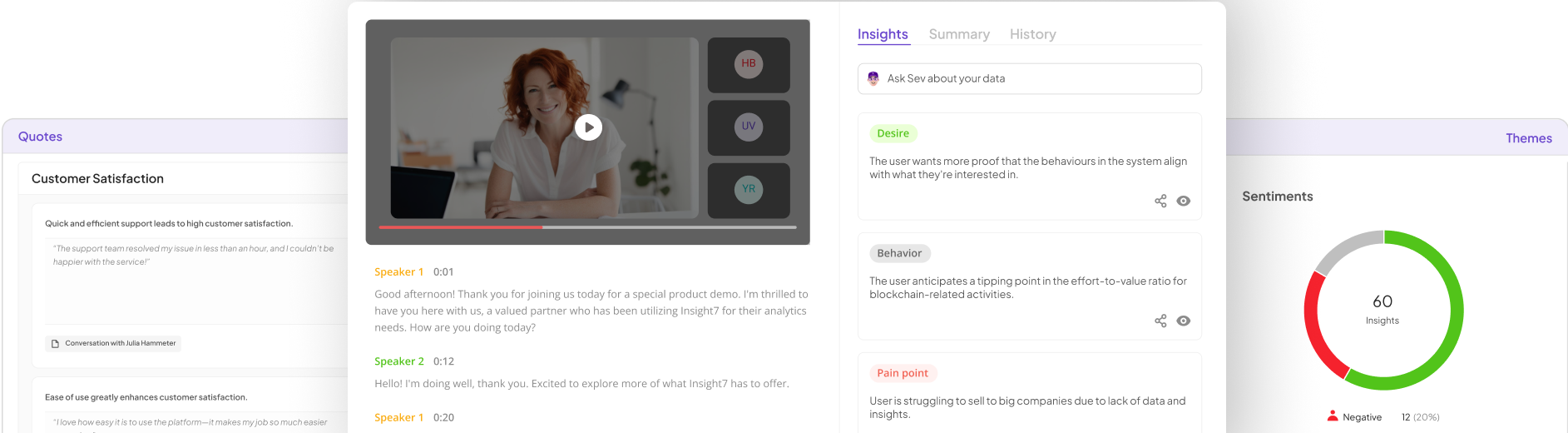
Speech-to-Text Transcription: With over 95% accuracy, AI tools convert voice recordings into text, enabling easy analysis of communications. This feature includes recognition of rail-specific terminology and phonetic alphabet detection.
Protocol Analysis: AI analyzes transcriptions against established safety-critical communication protocols, flagging violations and compliance gaps in real time. This proactive approach allows for immediate corrective action.
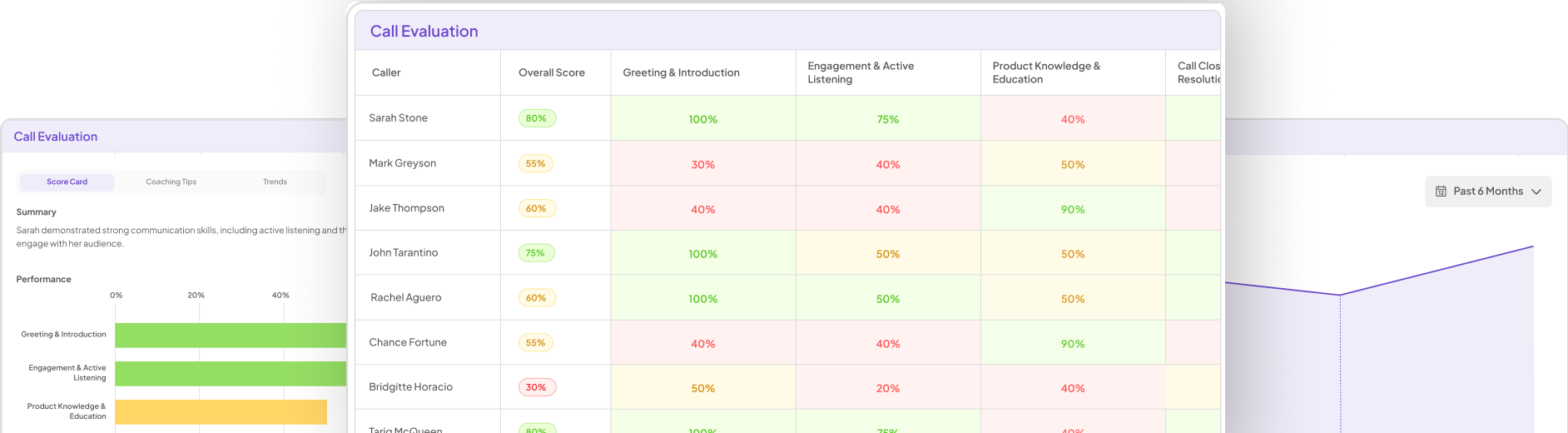
Scoring and Reporting: AI tools provide an overall compliance score and detailed reports on specific protocol adherence. This data is invaluable for audits and continuous improvement efforts.
Predictive Alerts: By identifying patterns that may lead to safety incidents, AI tools can alert managers to potential risks, allowing for timely intervention.
Implementation of AI Tools for Compliance
Implementing AI tools to achieve compliance with the March 2026 deadline involves several key steps. Organizations must prepare adequately, execute the plan effectively, evaluate the outcomes, and iterate for continuous improvement.
Preparation:
- Define Scope: Identify which communications need to be recorded and who will be monitored, including internal staff and contractors.
- Assess Current Systems: Evaluate existing communication systems to determine compatibility with AI tools.
- Set Compliance Goals: Establish specific targets for protocol adherence and audit readiness.
Execution:
- Select AI Tools: Choose AI solutions like Insight7 that meet the identified needs and comply with regulatory standards.
- Integrate Systems: Work with IT teams to integrate AI tools into existing communication platforms, ensuring seamless operation.
- Train Staff: Provide training for users on how to utilize the new systems effectively, emphasizing the importance of compliance.
Evaluation:
- Monitor Performance: Regularly review compliance scores and communication quality metrics to assess the effectiveness of the AI tools.
- Gather Feedback: Collect input from users to identify areas for improvement and address any challenges encountered.
Iteration & Improvement:
- Refine Processes: Use insights gained from performance evaluations to refine communication protocols and training programs.
- Stay Updated: Keep abreast of any changes to regulatory requirements and adjust compliance strategies accordingly.
Practical Value of AI Tools in Rail Compliance
The adoption of AI tools not only helps rail operators meet compliance requirements but also enhances overall operational efficiency and safety. Here are some practical benefits:
Increased Visibility: AI tools provide comprehensive oversight of all communications, ensuring that no critical interactions go unrecorded.
Enhanced Training: By identifying gaps in communication skills, AI tools enable targeted training interventions, improving workforce competence.
Faster Incident Response: With quick access to recorded communications, organizations can conduct thorough investigations and respond to incidents more effectively.
Audit Readiness: Automated documentation and reporting streamline the audit process, reducing the time spent preparing for compliance reviews.
As the March 2026 deadline approaches, rail operators must act decisively to implement AI tools that will not only ensure compliance but also foster a culture of safety and accountability. By leveraging technology, organizations can transform their communication practices, mitigate risks, and enhance their operational resilience in an increasingly complex regulatory landscape.