

March 2026 Rail Call Recording Mandate: Accelerating Readiness with AI
-
 Bella Williams
 - 10 min read

The March 2026 Rail Call Recording Mandate is a pivotal moment for the rail industry, emphasizing the importance of safety-critical communications. With the introduction of the NR/L3/OPS/301 regulations, rail operators must ensure that all safety-critical calls are recorded and auditable, even when made from personal devices. This mandate not only addresses compliance requirements but also enhances safety incident prevention, audit readiness, and workforce competence. As organizations prepare for this shift, leveraging AI technology can significantly streamline the transition and ensure compliance.
The Safety Critical Communications Challenge
The rail industry faces a pressing challenge in managing safety-critical communications (SCCs). Traditionally, compliance has relied on manual processes that are not only time-consuming but also prone to oversight. The stakes are high: failing to meet regulatory standards can lead to severe penalties, safety incidents, and reputational damage.
The Manual Review Problem:
- Traditional SCC Monitoring: Supervisors often manually review a small sample of calls, checking protocol compliance retrospectively. This leads to issues being discovered weeks or even months later.
- Scalability Crisis: With a workforce of 500 workers making 50 calls a day, this translates to 25,000 calls daily, resulting in less than 2% coverage through manual reviews. Consequently, over 98% of communications remain invisible, especially when dealing with distributed contractors.
- Regulatory Pressure: The new regulations require that all safety-critical communications are recorded and retrievable, placing additional strain on existing systems.
How AI Call Recording Analysis Works
AI technology offers a robust solution to the compliance challenges posed by the March 2026 mandate. By automating the call recording and analysis process, organizations can ensure that they meet regulatory requirements efficiently.
The AI Pipeline:
Step 1: Call Recording Capture
AI systems can capture voice recordings from various sources, including mobile phones, VoIP systems, and control rooms, ensuring that all communications are stored in a retrievable format.
Step 2: Speech-to-Text Transcription
Using advanced algorithms, AI transcribes calls with over 95% accuracy, recognizing rail-specific terminology and aligning timestamps for easy reference.
Step 3: Protocol Analysis
AI analyzes the transcribed text against established safety-critical communication protocols, detecting phonetic alphabet usage, repeat-back compliance, and adherence to message structures.
Step 4: Scoring & Flagging
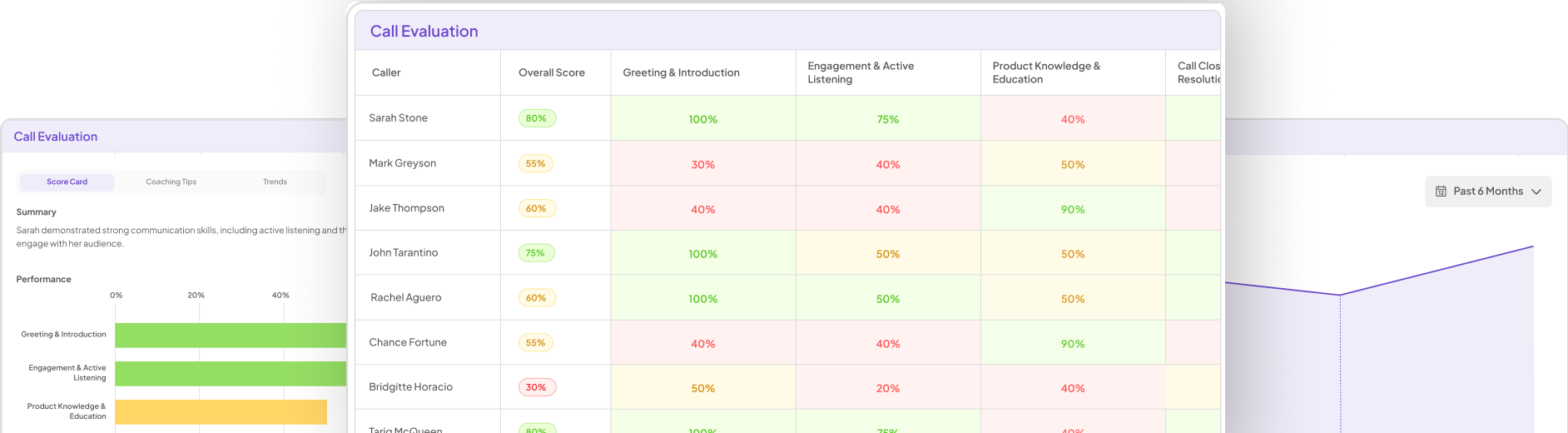
The system assigns an overall compliance score and identifies specific areas for improvement, allowing organizations to address potential risks proactively.
Step 5: Insights & Reporting
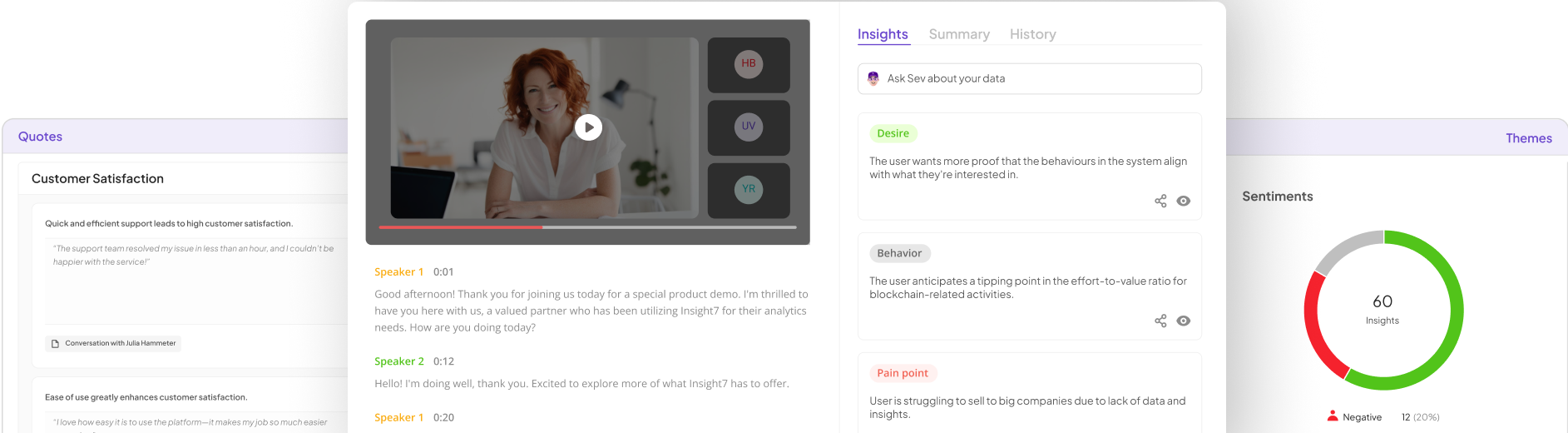
AI generates performance dashboards that provide insights into worker performance, compliance trends, and training needs, facilitating continuous improvement.
Implementation & Integration
To effectively implement AI-driven call recording systems, organizations must follow a structured approach that encompasses preparation, execution, and ongoing evaluation.
Preparation:
- Define Scope: Identify which communications need to be recorded, including internal calls, contractor communications, and emergency protocols.
- Select Technology: Choose AI solutions like Insight7 that offer robust call recording and analysis features tailored for the rail industry.
Execution:
- Integration Planning: Collaborate with IT teams to integrate AI solutions with existing phone systems, ensuring compatibility across devices.
- Pilot Program: Launch a pilot program with a small group of users to test the system's effectiveness and gather feedback.
Evaluation:
- Performance Monitoring: Regularly assess the system's performance against compliance metrics to ensure it meets regulatory standards.
- Iterate & Improve: Use insights gained from AI analytics to refine communication protocols and training programs, addressing any identified gaps.
Business Impact & Use Cases
The adoption of AI for call recording and analysis not only facilitates compliance with the March 2026 mandate but also drives significant business benefits.
Protocol Failure Detection:
AI can quickly identify critical failures, such as missing phonetic alphabet usage or lack of repeat-backs on safety-critical instructions. Traditional methods may take weeks to uncover these issues, while AI can provide insights within hours.
Workforce Monitoring at Scale:
With AI, organizations can achieve 100% monitoring of recorded calls, providing visibility into every worker's communication. This level of oversight allows for targeted training interventions and performance benchmarking across teams.
Training & Coaching:
AI-driven insights enable organizations to shift from generic training sessions to targeted coaching based on actual call data. This ensures that training is relevant and effective, addressing specific gaps in communication skills.
Incident Investigation:
In the event of an incident, AI systems allow for instant retrieval of relevant call recordings, significantly reducing the time needed for investigations. This capability enhances operational readiness and supports compliance with regulatory requirements.
By leveraging AI technology, rail operators can not only meet the March 2026 Rail Call Recording Mandate but also enhance overall safety and operational efficiency. The transition to automated call recording and analysis represents a strategic investment in the future of rail safety and compliance.








