

Making Situational Leadership Training Materials Dynamic With AI
-
 Bella Williams
 - 10 min read

In today's fast-paced business environment, situational leadership training materials must evolve to remain effective and engaging. By integrating AI technologies, organizations can transform traditional training approaches into dynamic, interactive experiences that cater to individual learning styles. AI can analyze real-time data from customer interactions, providing insights that enhance training content and delivery. This allows leaders to focus on specific skill gaps and adapt their coaching strategies accordingly. Moreover, AI-driven tools can automate the evaluation of training sessions, ensuring consistent feedback and improvement. As a result, situational leadership training becomes more personalized and impactful, ultimately driving better performance and growth within teams. This article will explore how AI can revolutionize leadership training materials, making them more relevant and effective.
Enhancing Situational Leadership Training with AI Tools
Making situational leadership training materials dynamic with AI involves leveraging advanced technologies to create engaging, personalized, and responsive training experiences. By integrating AI tools, organizations can enhance the effectiveness of their training programs, ensuring that they meet the evolving needs of leaders and their teams. This section will delve into how AI can transform traditional training materials into dynamic resources that foster continuous learning and development.
One of the most significant advantages of AI in situational leadership training is its ability to analyze real-time data from customer interactions. For instance, platforms like Insight7 utilize AI-powered call analytics to evaluate customer conversations, uncovering insights that can inform training content. By automatically assessing calls for tone, empathy, and resolution effectiveness, AI provides a wealth of information that can be used to tailor training materials to address specific skill gaps within teams. This data-driven approach allows organizations to focus on the areas that need improvement, making training more relevant and impactful.
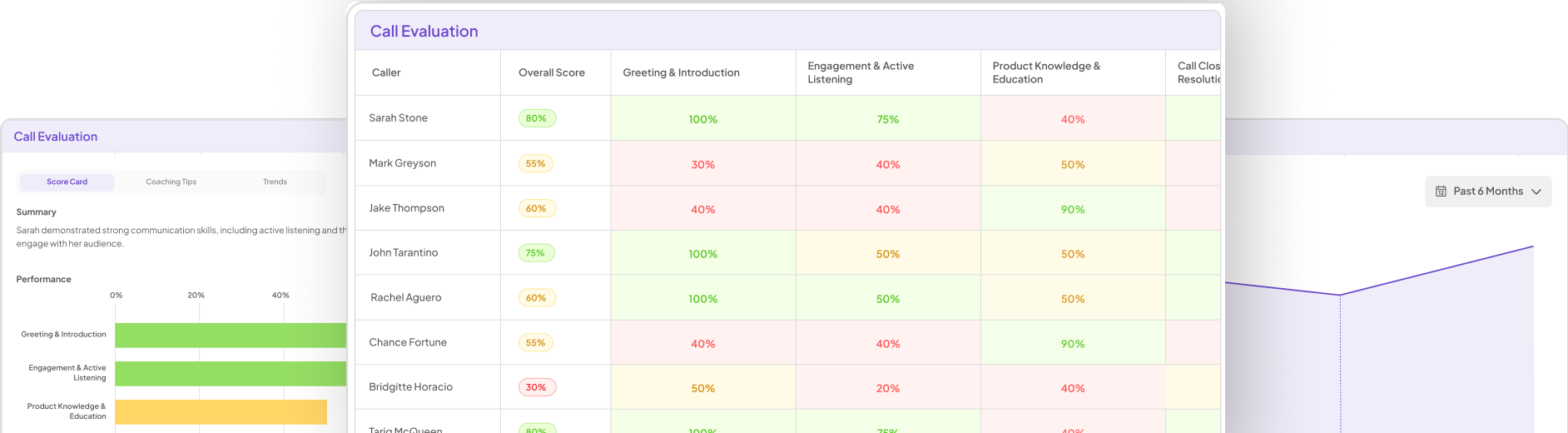
Furthermore, AI can automate the evaluation of training sessions, ensuring consistent feedback and improvement. With features such as performance dashboards and custom evaluation templates, organizations can visualize trends across agents and teams, identifying recurring issues and areas for development. This continuous monitoring enables leaders to adapt their coaching strategies in real time, ensuring that training materials remain aligned with the needs of their teams.
AI-driven tools also facilitate personalized coaching recommendations based on real conversations. By generating actionable insights from customer interactions, organizations can provide targeted feedback to team members, helping them develop their skills in a more focused manner. This personalized approach not only enhances the learning experience but also fosters a culture of continuous improvement within the organization.
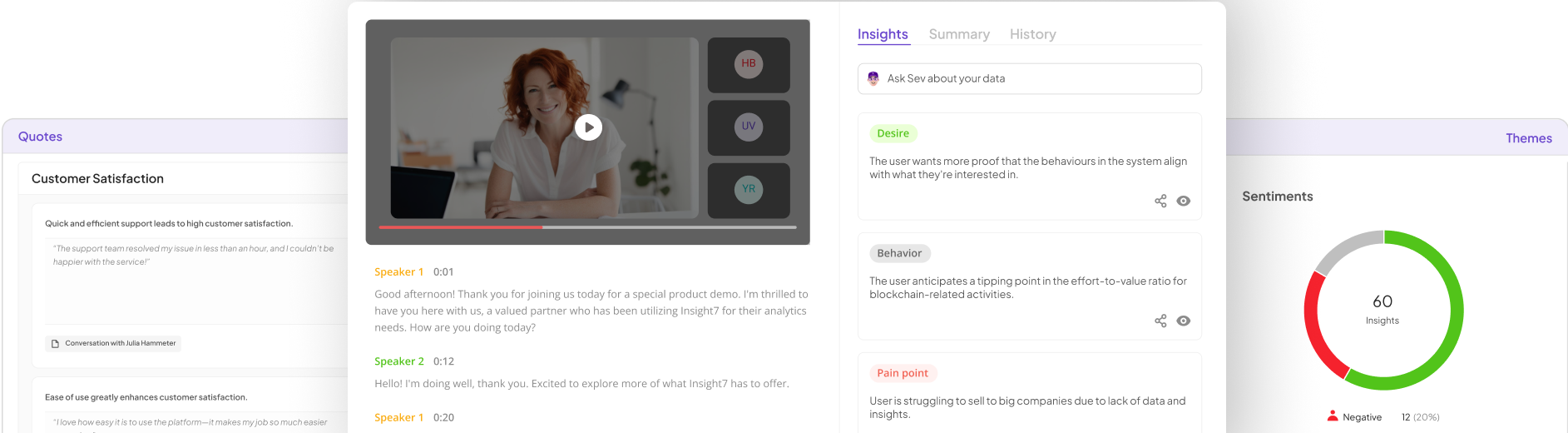
Moreover, the ability to detect customer sentiment and identify upsell opportunities in real time can significantly enhance the training process. By understanding the emotions and satisfaction levels of customers during interactions, leaders can refine their training materials to better prepare their teams for various scenarios. This insight allows for the development of training content that is not only relevant but also practical, equipping leaders with the tools they need to navigate complex customer interactions effectively.
In addition to improving the content of training materials, AI can also enhance the delivery of these resources. With multilingual support and enterprise-grade security, AI tools can cater to diverse teams across different regions, ensuring that training is accessible and effective for all participants. This inclusivity is crucial in today’s global business environment, where leaders must be equipped to handle a variety of cultural contexts and communication styles.
As organizations continue to embrace AI technologies, the potential for making situational leadership training materials dynamic is immense. By harnessing the power of AI, companies can create training programs that are not only engaging and interactive but also deeply aligned with the specific needs of their teams. This transformation ultimately leads to improved performance, higher employee satisfaction, and a stronger organizational culture.
In conclusion, integrating AI into situational leadership training materials offers a pathway to creating dynamic, responsive, and effective training experiences. By leveraging real-time data, automating evaluations, and personalizing coaching recommendations, organizations can ensure that their training programs remain relevant and impactful. As the business landscape continues to evolve, embracing AI technologies will be essential for leaders looking to foster growth and adaptability within their teams.
Comparison Table
Comparison Table
| Feature | Traditional Training Materials | AI-Enhanced Training Materials |
|---|---|---|
| Personalization | Limited customization based on generic needs | Tailored content based on real-time data analysis |
| Feedback Mechanism | Manual evaluations and inconsistent feedback | Automated evaluations providing consistent insights |
| Data Utilization | Minimal use of data for training adjustments | Utilizes AI-driven analytics to inform training content |
| Coaching Insights | General coaching without specific focus | Actionable insights derived from actual conversations |
| Multilingual Support | Often limited to one language | Supports multiple languages for global teams |
| Accessibility | Static materials, less engaging | Dynamic, interactive resources enhancing engagement |
| Continuous Improvement | Periodic updates based on feedback | Real-time adjustments based on ongoing performance monitoring |
This comparison highlights how AI can significantly enhance situational leadership training materials, making them more dynamic, personalized, and effective in addressing the evolving needs of leaders and their teams.
Selection Criteria
Selection Criteria
To effectively make situational leadership training materials dynamic with AI, organizations should prioritize several key selection criteria. First, the ability to leverage AI-powered analytics is crucial, as it allows for real-time evaluation of training effectiveness based on actual interactions. This ensures that training content is tailored to address specific skill gaps identified through data analysis. Additionally, the platform should offer automated feedback mechanisms, providing consistent insights that help refine training programs continuously.
Moreover, multilingual support is essential for global teams, ensuring accessibility and relevance across diverse cultural contexts. The integration of personalized coaching insights derived from real conversations can significantly enhance the learning experience, fostering a culture of continuous improvement. Lastly, security compliance, such as GDPR and SOC2, is vital to protect sensitive data while implementing these advanced training solutions.
Implementation Guide
To implement dynamic situational leadership training materials using AI, organizations should focus on integrating AI-powered call analytics into their training programs. Begin by leveraging AI to automatically evaluate customer interactions, scoring them against custom quality criteria. This allows trainers to identify specific skill gaps and personalize coaching insights based on real conversations. Utilize performance dashboards to visualize trends and track agent improvement over time, ensuring continuous feedback loops. Incorporate multilingual support to cater to diverse teams, enhancing accessibility. Finally, prioritize enterprise-grade security to protect sensitive data while implementing these advanced training solutions. By adopting these strategies, organizations can create engaging, effective training materials that adapt to the evolving needs of leaders and their teams.
Frequently Asked Questions
Frequently Asked Questions
Q: How can AI enhance situational leadership training materials?
A: AI can dynamically evaluate training effectiveness by analyzing real customer interactions, identifying skill gaps, and providing personalized coaching insights, making training more relevant and effective.
Q: What specific features should I look for in an AI training platform?
A: Look for AI-powered analytics, automated feedback mechanisms, multilingual support, and compliance with security standards like GDPR and SOC2 to ensure a comprehensive training solution.
Q: How does AI help in tracking agent performance?
A: AI can continuously monitor and score interactions, visualize trends through performance dashboards, and provide actionable insights that help track agent improvement over time.
Q: Can AI support diverse teams in leadership training?
A: Yes, AI platforms with multilingual support ensure that training materials are accessible and relevant across different cultural contexts, enhancing the learning experience for global teams.
Q: What role does data security play in AI training solutions?
A: Data security is crucial; ensuring compliance with standards like GDPR and SOC2 protects sensitive information while implementing advanced AI training solutions.