
Leadership Skills Assessment Test Success Through AI Practice
-
 Bella Williams
 - 10 min read

In today's fast-paced business environment, effective leadership is crucial for organizational success. The "Leadership Skills Assessment Test Success Through AI Practice" explores how artificial intelligence can revolutionize the evaluation and development of leadership skills. By leveraging AI-powered tools, organizations can gain deep insights into leadership potential, identify skill gaps, and tailor coaching programs to foster growth. This approach not only enhances individual performance but also strengthens team dynamics and overall company culture. In this article, we will delve into the transformative impact of AI on leadership assessments, highlighting best practices and real-world applications that drive measurable results. Join us as we uncover how AI can be a game-changer in cultivating the leaders of tomorrow.
Understanding Leadership Skills Assessment Through AI Practice
Understanding Leadership Skills Assessment Through AI Practice
In the realm of leadership development, the integration of artificial intelligence (AI) into skills assessment tests is proving to be a transformative force. AI-powered tools, such as those offered by Insight7, are revolutionizing how organizations evaluate leadership potential and effectiveness. By leveraging advanced analytics and machine learning, businesses can gain valuable insights into their leaders' capabilities, identify areas for improvement, and tailor coaching programs to foster growth. This section explores the success of leadership skills assessment tests through AI practice, highlighting the benefits and best practices for organizations looking to enhance their leadership development initiatives.
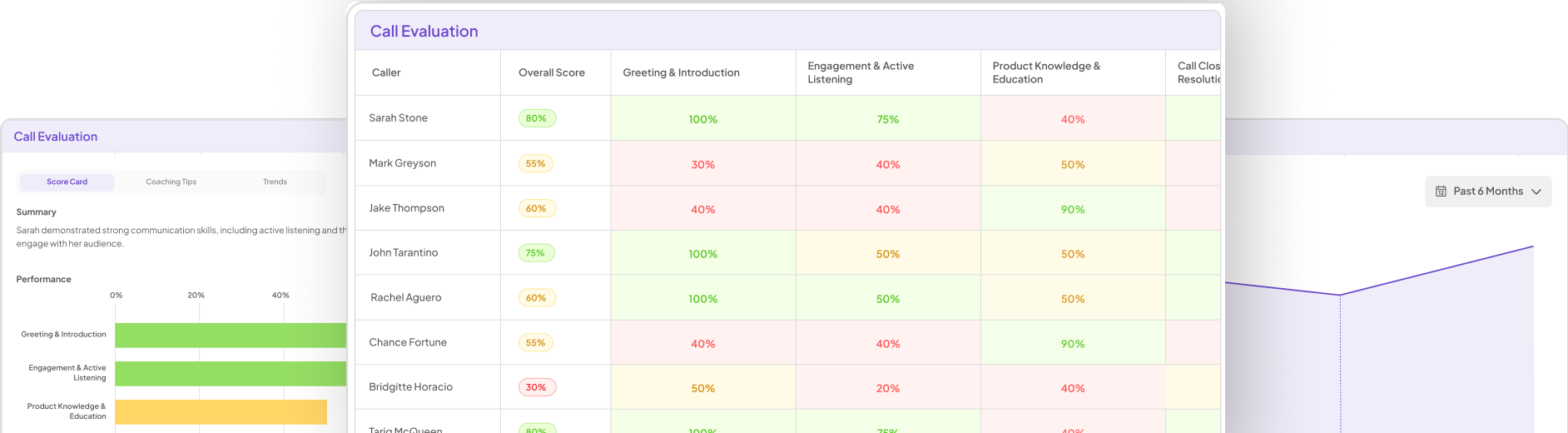
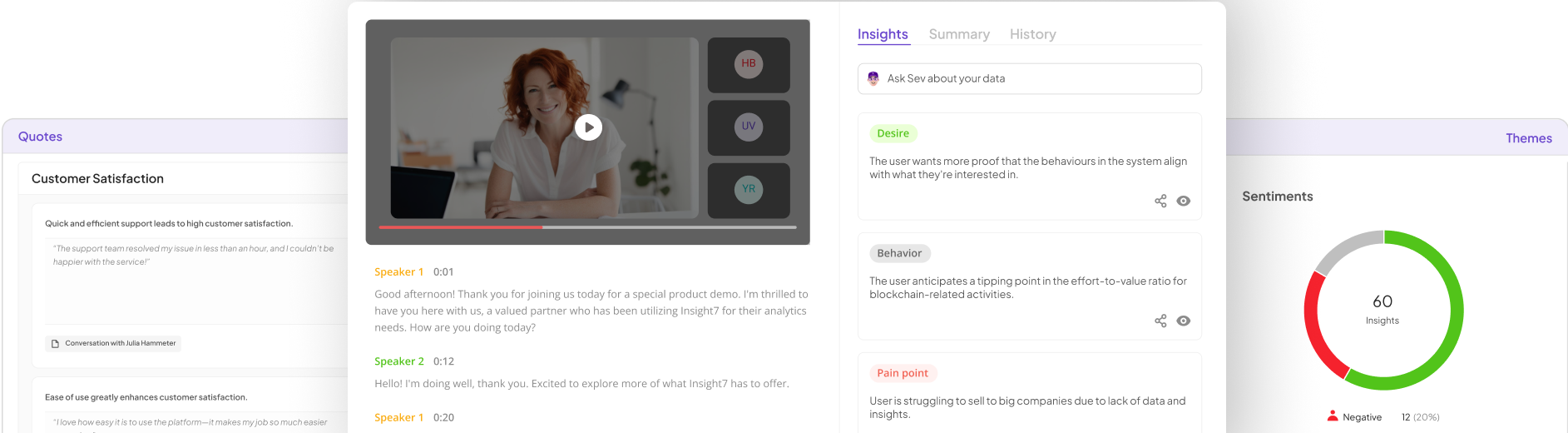
AI-powered call analytics platforms like Insight7 automatically evaluate customer interactions, providing a wealth of data that can be applied to leadership assessments. By analyzing conversations, these tools can detect sentiment, empathy, and resolution effectiveness, offering a comprehensive view of how leaders communicate and engage with their teams. This data-driven approach ensures that assessments are not only objective but also reflective of real-world interactions, allowing organizations to identify trends and coaching opportunities that traditional methods might overlook.
One of the key advantages of using AI in leadership skills assessments is the ability to generate actionable insights. For instance, Insight7's platform can track agent performance over time, highlighting skill gaps and suggesting targeted coaching recommendations. This continuous monitoring allows organizations to adapt their training programs in real-time, ensuring that leaders receive the support they need to thrive in their roles. By focusing on specific areas for improvement, organizations can foster a culture of growth and development, empowering leaders to reach their full potential.
Moreover, AI-driven assessments can enhance the overall quality of leadership development programs. By uncovering recurring customer pain points and sentiment trends, organizations can refine their service processes and improve outcomes. This holistic view of leadership effectiveness not only benefits individual leaders but also contributes to the overall success of the organization. As leaders become more adept at navigating complex challenges and fostering positive team dynamics, the organization as a whole can experience increased productivity and employee satisfaction.
Implementing AI-powered leadership skills assessments requires a strategic approach. Organizations should start by defining clear evaluation criteria that align with their leadership goals. Custom evaluation templates can be created to ensure that scoring and feedback are tailored to the organization's unique framework. By establishing a consistent and unbiased assessment process, organizations can build trust in the evaluation results and encourage leaders to engage with the feedback constructively.
Furthermore, organizations should prioritize training for managers and team leaders on how to interpret AI-generated insights effectively. By equipping leaders with the skills to analyze data and implement coaching recommendations, organizations can create a more empowered leadership team. This investment in training not only enhances the effectiveness of leadership assessments but also fosters a culture of continuous improvement and accountability.
In conclusion, the success of leadership skills assessment tests through AI practice hinges on the ability to leverage data-driven insights to inform coaching and development strategies. By utilizing platforms like Insight7, organizations can enhance their leadership development initiatives, ensuring that leaders are equipped with the skills and knowledge necessary to drive success. As the business landscape continues to evolve, embracing AI in leadership assessments will be crucial for organizations looking to cultivate the leaders of tomorrow. By investing in these innovative tools and practices, organizations can create a robust pipeline of leadership talent that is prepared to meet the challenges of the future.
Comparison Table
Content for section: Comparison Table – comprehensive analysis and insights.
Selection Criteria
Selection Criteria
To ensure success in leadership skills assessments through AI practice, organizations should focus on several key selection criteria. First, the ability of the AI platform to automatically evaluate 100% of leadership interactions is crucial, as this provides comprehensive data for analysis. The platform must also score conversations against custom quality criteria, allowing organizations to tailor assessments to their specific leadership goals. Additionally, the detection of sentiment, empathy, and resolution effectiveness is essential for understanding leaders' communication styles and their impact on team dynamics.
Furthermore, organizations should prioritize AI tools that generate actionable coaching insights and track performance over time. This continuous monitoring helps identify skill gaps and suggests targeted coaching recommendations, fostering a culture of growth. Lastly, the platform's multilingual support and enterprise-grade security are vital for ensuring compliance and accessibility across diverse teams. By adhering to these criteria, organizations can effectively leverage AI to enhance their leadership development initiatives.
Implementation Guide
To implement a successful Leadership Skills Assessment Test through AI practice, organizations should follow a structured approach. Begin by selecting an AI-powered platform capable of evaluating 100% of leadership interactions, ensuring comprehensive data collection. Customize the assessment criteria to align with specific leadership goals, focusing on key metrics such as sentiment, empathy, and resolution effectiveness.
Next, leverage the platform’s capabilities to generate actionable coaching insights and track performance over time, identifying skill gaps and providing targeted recommendations. Continuous monitoring fosters a culture of growth and improvement among leaders. Additionally, ensure the platform supports multilingual capabilities and adheres to enterprise-grade security standards for compliance and accessibility. By following these steps, organizations can effectively enhance their leadership development initiatives through AI-driven assessments.
Frequently Asked Questions
Frequently Asked Questions
Q: What is the Leadership Skills Assessment Test through AI practice?
A: The Leadership Skills Assessment Test utilizes AI technology to evaluate leadership interactions, focusing on key metrics like sentiment, empathy, and resolution effectiveness to enhance leadership development.
Q: How does AI improve the assessment process?
A: AI automates the evaluation of 100% of leadership conversations, providing unbiased insights and actionable coaching recommendations, which helps identify skill gaps and track performance over time.
Q: What are the benefits of using AI for leadership assessments?
A: AI-driven assessments offer comprehensive data analysis, personalized coaching insights, and continuous monitoring, fostering a culture of growth and improvement among leaders.
Q: Is the AI platform secure and compliant?
A: Yes, the platform adheres to enterprise-grade security standards, including GDPR and SOC2 compliance, ensuring data protection and accessibility across diverse teams.
Q: Can the AI platform support multilingual assessments?
A: Absolutely, the platform is designed to evaluate global conversations accurately, making it suitable for organizations with diverse linguistic needs.