
Integrating AI Practice Sessions Into Leadership Coaching Programs
-
 Bella Williams
 - 10 min read

Integrating AI practice sessions into leadership coaching programs can significantly enhance the effectiveness of coaching by providing data-driven insights and personalized feedback. This approach leverages AI technologies to analyze real conversations, identify skill gaps, and offer tailored coaching recommendations. By incorporating AI-powered tools, leaders can track performance improvements over time and refine their coaching strategies based on actionable intelligence. This not only helps in developing essential leadership skills but also fosters a culture of continuous learning and adaptability within organizations. As the business landscape evolves, integrating AI into coaching programs ensures that leaders are equipped with the necessary tools to navigate challenges and drive team performance effectively.
Integrating AI Practice Sessions into Leadership Coaching Programs
Integrating AI practice sessions into leadership coaching programs can revolutionize how leaders develop their skills and enhance team performance. By leveraging AI-powered tools, organizations can provide personalized feedback, track progress, and identify areas for improvement in real-time. This integration not only enriches the coaching experience but also fosters a culture of continuous learning and adaptability, essential in today’s fast-paced business environment.
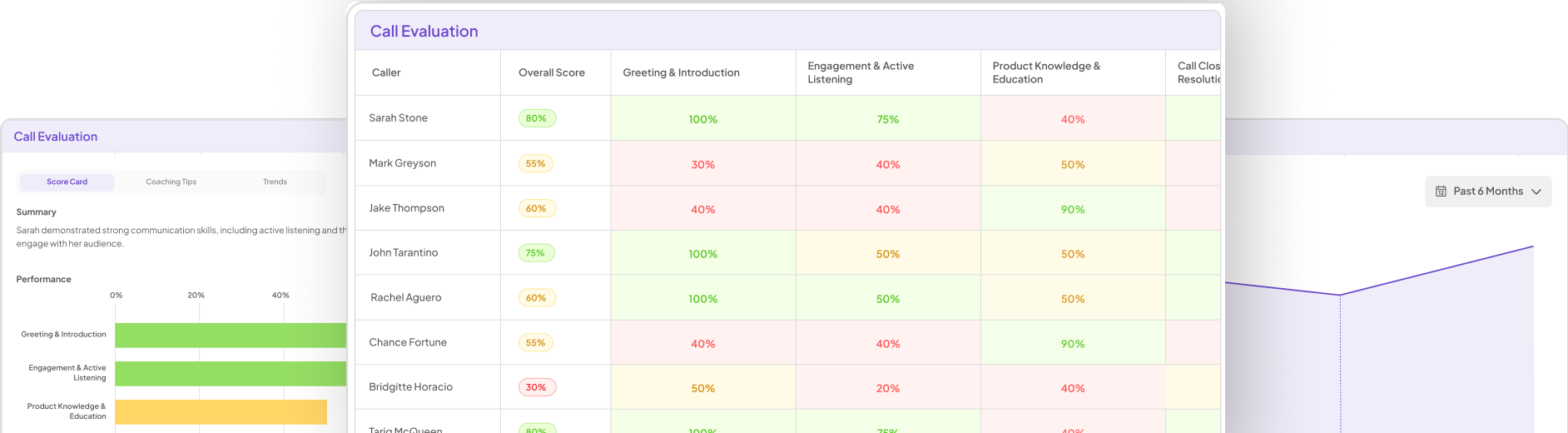
AI-powered call analytics platforms, like Insight7, offer a robust framework for leadership coaching by automatically evaluating customer interactions. This technology assesses conversations based on custom quality criteria, detecting sentiment, empathy, and resolution effectiveness. By analyzing these metrics, leaders can gain valuable insights into their communication styles and areas where they can improve. For instance, if a leader consistently receives low empathy scores during customer interactions, targeted coaching can be implemented to enhance their emotional intelligence and interpersonal skills.
Moreover, AI can generate actionable coaching insights from real conversations, allowing coaches to provide personalized feedback tailored to each leader’s unique strengths and weaknesses. This data-driven approach ensures that coaching sessions are not only relevant but also impactful, as they focus on specific skill gaps identified through AI analysis. For example, if a leader struggles with upselling during customer calls, AI can highlight these moments and suggest strategies for improvement, thereby enhancing their sales capabilities.
Tracking agent performance over time is another critical benefit of integrating AI into leadership coaching programs. With performance dashboards, leaders can visualize trends across their teams, making it easier to monitor progress and celebrate improvements. This ongoing assessment helps maintain motivation and accountability, as leaders can see the direct impact of their coaching sessions on their performance metrics.
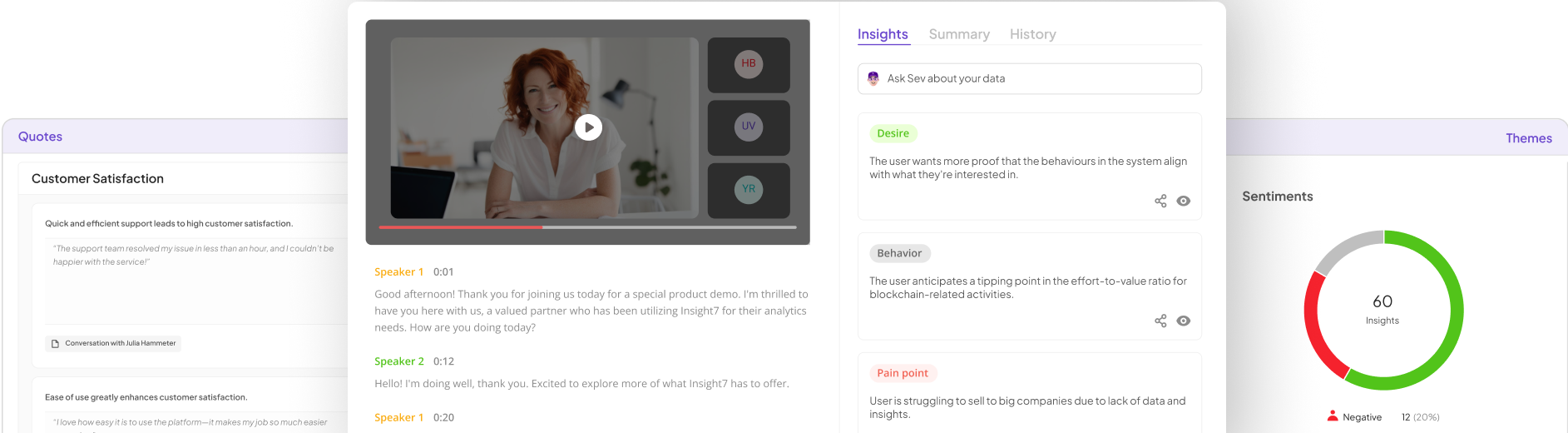
Additionally, AI can help identify recurring customer pain points and sentiment trends, providing leaders with a broader understanding of their team's challenges. By addressing these issues in coaching sessions, leaders can develop strategies that not only improve their performance but also enhance overall customer satisfaction. For instance, if AI analytics reveal that customers frequently express frustration over a specific service process, leaders can work with their teams to refine these processes, ultimately leading to better outcomes for both customers and the organization.
Incorporating AI practice sessions into leadership coaching also allows for multilingual support, which is particularly beneficial for global organizations. This capability ensures that leaders can effectively communicate and coach their teams across different languages and cultural contexts, fostering inclusivity and understanding within diverse teams.
The integration of AI into leadership coaching programs aligns with the growing need for organizations to adapt to changing market dynamics. As businesses face increasing pressure to innovate and respond to customer needs, equipping leaders with the right tools and insights becomes paramount. AI-powered coaching not only enhances individual performance but also contributes to a more agile and responsive organizational culture.
In conclusion, integrating AI practice sessions into leadership coaching programs offers a transformative approach to developing effective leaders. By utilizing AI-powered analytics, organizations can provide personalized feedback, track performance, and identify areas for improvement, ultimately fostering a culture of continuous learning and adaptability. As the business landscape continues to evolve, leveraging AI in coaching will ensure that leaders are well-equipped to navigate challenges and drive team performance effectively.
Comparison Table
Integrating AI practice sessions into leadership coaching programs can significantly enhance the effectiveness of coaching by providing data-driven insights and personalized feedback. By leveraging AI-powered tools, organizations can analyze real conversations, track performance improvements, and identify areas for growth in real-time. This integration enriches the coaching experience and fosters a culture of continuous learning, essential in today’s fast-paced business environment.
AI-powered call analytics platforms, like Insight7, offer a robust framework for leadership coaching by automatically evaluating customer interactions. This technology assesses conversations based on custom quality criteria, detecting sentiment, empathy, and resolution effectiveness. By analyzing these metrics, leaders gain valuable insights into their communication styles and areas for improvement, ensuring that coaching sessions are relevant and impactful.
Moreover, AI can generate actionable coaching insights from real conversations, allowing coaches to provide personalized feedback tailored to each leader’s unique strengths and weaknesses. This data-driven approach focuses on specific skill gaps identified through AI analysis, enhancing leaders' capabilities in areas such as upselling during customer calls.
Tracking agent performance over time is another critical benefit of integrating AI into leadership coaching programs. With performance dashboards, leaders can visualize trends across their teams, making it easier to monitor progress and celebrate improvements. This ongoing assessment helps maintain motivation and accountability, as leaders can see the direct impact of their coaching sessions on performance metrics.
Additionally, AI can help identify recurring customer pain points and sentiment trends, providing leaders with a broader understanding of their team's challenges. Addressing these issues in coaching sessions allows leaders to develop strategies that improve performance and enhance overall customer satisfaction.
Incorporating AI practice sessions into leadership coaching also allows for multilingual support, which is particularly beneficial for global organizations. This capability ensures effective communication and coaching across different languages and cultural contexts, fostering inclusivity within diverse teams.
The integration of AI into leadership coaching programs aligns with the growing need for organizations to adapt to changing market dynamics. As businesses face increasing pressure to innovate and respond to customer needs, equipping leaders with the right tools and insights becomes paramount. AI-powered coaching not only enhances individual performance but also contributes to a more agile and responsive organizational culture.
In conclusion, integrating AI practice sessions into leadership coaching programs offers a transformative approach to developing effective leaders. By utilizing AI-powered analytics, organizations can provide personalized feedback, track performance, and identify areas for improvement, ultimately fostering a culture of continuous learning and adaptability. Leveraging AI in coaching will ensure that leaders are well-equipped to navigate challenges and drive team performance effectively.
Selection Criteria
Integrating AI practice sessions into leadership coaching programs can significantly enhance the effectiveness of coaching by providing data-driven insights and personalized feedback. By leveraging AI-powered tools, organizations can analyze real conversations, track performance improvements, and identify areas for growth in real-time. This integration enriches the coaching experience and fosters a culture of continuous learning, essential in today’s fast-paced business environment.
AI-powered call analytics platforms, like Insight7, automatically evaluate customer interactions, assessing conversations based on custom quality criteria. This technology detects sentiment, empathy, and resolution effectiveness, providing leaders with valuable insights into their communication styles and areas for improvement. By analyzing these metrics, coaching sessions can be tailored to focus on specific skill gaps, ensuring relevance and impact.
Moreover, AI generates actionable coaching insights from real conversations, allowing coaches to provide personalized feedback that aligns with each leader’s unique strengths and weaknesses. This data-driven approach enhances leaders' capabilities, particularly in areas such as upselling during customer calls.
Tracking agent performance over time is another critical benefit of integrating AI into leadership coaching programs. Performance dashboards enable leaders to visualize trends across their teams, facilitating progress monitoring and celebrating improvements. This ongoing assessment helps maintain motivation and accountability, as leaders can see the direct impact of their coaching sessions on performance metrics.
Additionally, AI identifies recurring customer pain points and sentiment trends, offering leaders a broader understanding of their team's challenges. Addressing these issues in coaching sessions allows leaders to develop strategies that improve performance and enhance overall customer satisfaction.
Incorporating AI practice sessions into leadership coaching also allows for multilingual support, which is particularly beneficial for global organizations. This capability ensures effective communication and coaching across different languages and cultural contexts, fostering inclusivity within diverse teams.
The integration of AI into leadership coaching programs aligns with the growing need for organizations to adapt to changing market dynamics. As businesses face increasing pressure to innovate and respond to customer needs, equipping leaders with the right tools and insights becomes paramount. AI-powered coaching not only enhances individual performance but also contributes to a more agile and responsive organizational culture.
In conclusion, integrating AI practice sessions into leadership coaching programs offers a transformative approach to developing effective leaders. By utilizing AI-powered analytics, organizations can provide personalized feedback, track performance, and identify areas for improvement, ultimately fostering a culture of continuous learning and adaptability. Leveraging AI in coaching will ensure that leaders are well-equipped to navigate challenges and drive team performance effectively.
Implementation Guide
Integrating AI practice sessions into leadership coaching programs can significantly enhance coaching effectiveness by providing data-driven insights and personalized feedback. By leveraging AI-powered tools, organizations can analyze real conversations, track performance improvements, and identify areas for growth in real-time. This integration enriches the coaching experience and fosters a culture of continuous learning, essential in today’s fast-paced business environment.
To implement AI practice sessions effectively, organizations should start by selecting an AI-powered call analytics platform, such as Insight7, which evaluates customer interactions based on custom quality criteria. This technology assesses sentiment, empathy, and resolution effectiveness, providing leaders with valuable insights into their communication styles and areas for improvement. Coaches can then tailor sessions to focus on specific skill gaps identified through AI analysis.
Next, organizations should establish performance dashboards to visualize trends across teams, enabling leaders to monitor progress and celebrate improvements. This ongoing assessment helps maintain motivation and accountability, as leaders can see the direct impact of their coaching sessions on performance metrics. Additionally, incorporating multilingual support ensures effective communication and coaching across diverse teams.
Finally, organizations must foster a culture of adaptability by continuously integrating AI insights into coaching programs. This approach not only enhances individual performance but also contributes to a more agile and responsive organizational culture, equipping leaders to navigate challenges effectively. By embracing AI in leadership coaching, organizations can drive team performance and achieve sustained growth.
Frequently Asked Questions
Frequently Asked Questions
Q: How can AI practice sessions enhance leadership coaching programs?
A: AI practice sessions provide data-driven insights and personalized feedback, allowing coaches to tailor sessions to specific skill gaps and track performance improvements in real-time.
Q: What features should I look for in an AI-powered call analytics platform?
A: Look for features such as automated call evaluation, sentiment detection, performance dashboards, and multilingual support to ensure comprehensive analysis and coaching.
Q: How does AI help in identifying coaching opportunities?
A: AI analyzes real conversations to uncover insights, detect recurring customer pain points, and identify upsell opportunities, enabling coaches to focus on relevant areas for improvement.
Q: Can AI support coaching in multilingual environments?
A: Yes, AI platforms like Insight7 offer multilingual support, ensuring effective communication and coaching across diverse teams and cultural contexts.
Q: What impact does integrating AI have on organizational culture?
A: Integrating AI fosters a culture of continuous learning and adaptability, equipping leaders to navigate challenges and drive team performance effectively.