
Inclusive Leadership Skills Training with AI Practice
-
 Bella Williams
 - 10 min read

Inclusive Leadership Skills Training with AI Practice is an innovative approach that leverages artificial intelligence to enhance the development of leadership skills focused on inclusivity. This training aims to equip leaders with the necessary tools to foster diverse and equitable environments within their organizations. By utilizing AI-driven insights, participants can gain a deeper understanding of team dynamics, identify unconscious biases, and enhance their communication strategies. The integration of AI not only streamlines the evaluation of leadership effectiveness but also provides personalized coaching recommendations based on real-time data. As organizations increasingly recognize the importance of inclusive leadership, this training offers a strategic advantage in cultivating a culture that values diversity and drives performance.
Essential Inclusive Leadership Skills for AI Integration
Inclusive Leadership Skills Training with AI Practice combines the power of artificial intelligence with essential leadership training to create a more inclusive workplace. This innovative approach not only enhances leaders' understanding of diversity and equity but also equips them with practical tools to foster an inclusive culture. By leveraging AI-driven insights, participants can better understand team dynamics, identify unconscious biases, and refine their communication strategies. This training is crucial for organizations aiming to cultivate a culture that values diversity and drives performance.
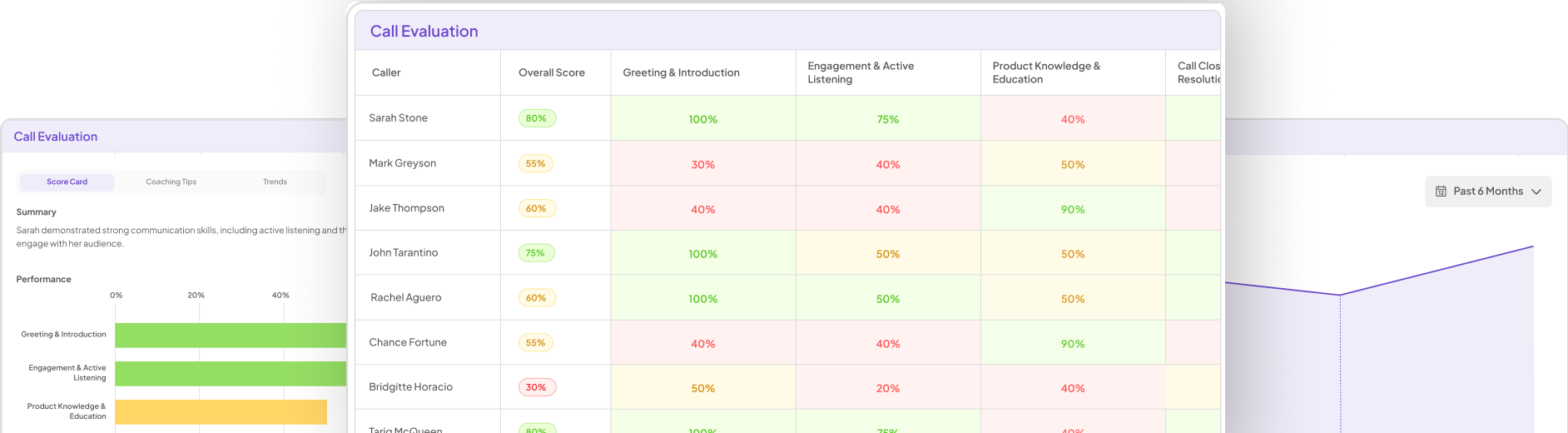
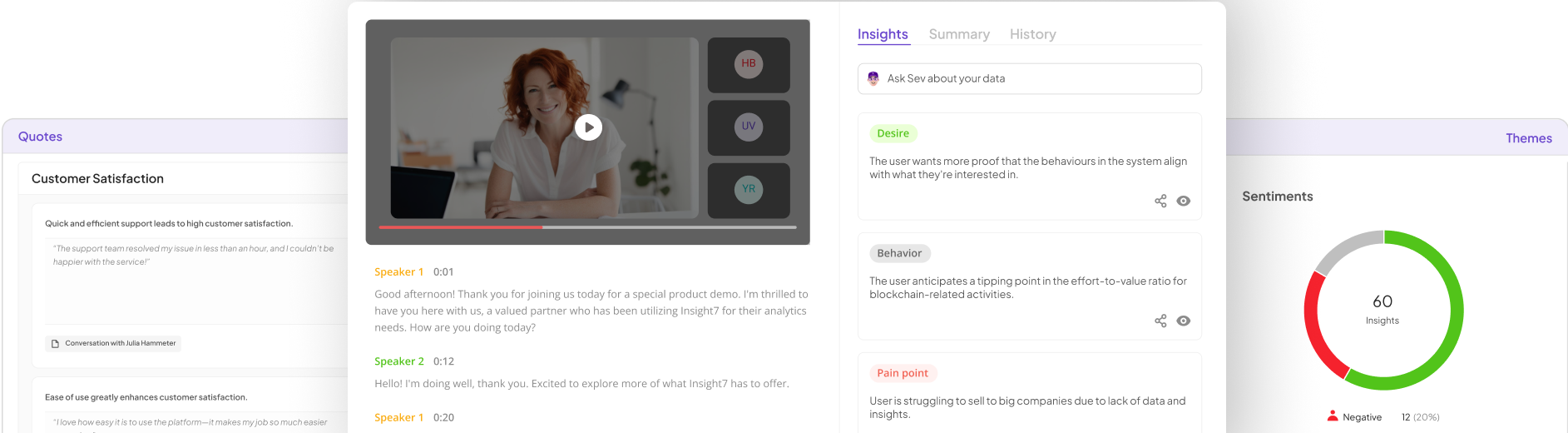
The integration of AI into leadership training offers several advantages. First, AI-powered call analytics can automatically evaluate conversations, providing leaders with unbiased insights into team interactions. This capability allows leaders to identify trends, measure sentiment, and assess the effectiveness of communication styles. For instance, by analyzing customer-facing conversations, leaders can uncover recurring pain points and sentiment trends, which can inform coaching and training programs.
Moreover, the AI-driven coaching and performance management features enable leaders to generate actionable insights from real conversations. This means that leaders can track agent performance over time, identify skill gaps, and provide targeted coaching recommendations. Such personalized feedback is invaluable for developing inclusive leadership skills, as it allows leaders to understand their team's unique needs and dynamics.
In practice, this training can take various forms. For example, leaders can engage in role-playing exercises where AI evaluates their communication style and effectiveness in real-time. This immediate feedback helps leaders adjust their approach, ensuring they foster an inclusive environment that encourages open dialogue and collaboration. Additionally, the use of performance dashboards allows leaders to visualize trends across their teams, making it easier to identify areas for improvement.
The multilingual support offered by AI tools also enhances the inclusivity of leadership training. By evaluating global conversations accurately, leaders can ensure that their training programs are relevant and effective across diverse cultural contexts. This capability is particularly important in today's globalized business environment, where teams often comprise individuals from various backgrounds and experiences.
Furthermore, the training emphasizes the importance of empathy and emotional intelligence in leadership. AI can detect sentiment and empathy levels in conversations, providing leaders with insights into how their communication impacts team morale and engagement. By understanding these dynamics, leaders can adapt their strategies to create a more supportive and inclusive workplace.
As organizations increasingly recognize the importance of inclusive leadership, investing in AI-powered training programs becomes essential. These programs not only enhance leaders' skills but also contribute to a more equitable workplace culture. By fostering an environment where all team members feel valued and heard, organizations can drive performance and innovation.
In conclusion, Inclusive Leadership Skills Training with AI Practice is a transformative approach that equips leaders with the necessary tools to create diverse and equitable workplaces. By leveraging AI-driven insights, leaders can enhance their understanding of team dynamics, identify unconscious biases, and improve their communication strategies. This training not only benefits individual leaders but also contributes to the overall success of organizations committed to fostering inclusivity.
Comparison Table
Comparison Table
| Feature | Inclusive Leadership Skills Training with AI Practice | Insight7 AI-Powered Call Analytics |
|---|---|---|
| Purpose | Develop inclusive leadership skills using AI insights | Evaluate customer-facing conversations for insights |
| Core Capabilities | Personalized coaching, bias identification, team dynamics understanding | Call evaluation, sentiment detection, coaching insights |
| Training Format | Role-playing, real-time feedback, performance dashboards | Automated call evaluation, performance tracking |
| Target Users | Leaders aiming to foster inclusivity | Customer support and CX teams, QA managers |
| Multilingual Support | Yes | Yes |
| Emphasis on Emotional Intelligence | High, focuses on empathy and communication strategies | Moderate, detects sentiment and empathy levels |
| Outcome Focus | Enhances team collaboration and inclusivity | Drives revenue, improves service quality |
| Security Compliance | General data protection measures | GDPR and SOC2 compliant |
Selection Criteria
Selection Criteria
When selecting participants for the Inclusive Leadership Skills Training with AI Practice, several criteria are essential to ensure the program's effectiveness. Candidates should demonstrate a commitment to fostering an inclusive workplace culture and possess a foundational understanding of diversity and equity principles. Experience in leadership roles, particularly in customer-facing teams, is crucial, as it allows participants to apply AI-driven insights directly to their interactions. Additionally, participants should be open to receiving feedback and willing to engage in role-playing exercises, as these are integral to the training. Finally, a willingness to leverage AI tools for personal development and team improvement will enhance the overall impact of the training, driving both individual and organizational growth.
Implementation Guide
Implementation Guide
To implement Inclusive Leadership Skills Training with AI Practice effectively, organizations should start by identifying key leadership participants who are committed to fostering inclusivity. The training should incorporate role-playing scenarios that reflect real-world challenges, allowing leaders to practice and receive real-time feedback. Utilizing AI tools, such as performance dashboards, can help track progress and provide personalized coaching insights. It's essential to create a safe environment where participants feel comfortable sharing their experiences and biases. Regular assessments should be conducted to measure the impact of the training on team dynamics and overall inclusivity. Finally, ongoing support and resources should be provided to ensure leaders can continue to develop their skills and apply the insights gained in their daily interactions.
Frequently Asked Questions
Q: What is Inclusive Leadership Skills Training with AI Practice?
A: Inclusive Leadership Skills Training with AI Practice is a program designed to enhance leadership capabilities by integrating AI tools to foster inclusivity and improve team dynamics. It focuses on developing skills that promote diversity, equity, and effective communication in customer-facing environments.
Q: Who should participate in this training?
A: This training is ideal for leaders in customer-facing teams who are committed to creating an inclusive workplace culture and have a foundational understanding of diversity principles. Participants should also be open to feedback and willing to engage in practical exercises.
Q: How does AI enhance the training experience?
A: AI enhances the training experience by providing actionable insights through call analytics, enabling leaders to evaluate interactions for empathy, tone, and resolution effectiveness. This data-driven approach helps identify skill gaps and tailor coaching recommendations.
Q: What are the key components of the training?
A: Key components of the training include role-playing scenarios, real-time feedback, AI-driven performance dashboards, and personalized coaching insights. These elements work together to create a comprehensive learning experience.
Q: How can organizations measure the impact of the training?
A: Organizations can measure the impact of the training through regular assessments of team dynamics, performance metrics, and participant feedback. Utilizing AI tools to track progress can also provide valuable insights into the effectiveness of the training.