

Improving Rail Communication Discipline with AI Feedback
-
 Bella Williams
 - 10 min read

In the rail industry, effective communication is paramount for ensuring safety and operational efficiency. With the impending compliance requirements set by Network Rail's NR/L3/OPS/301 framework, organizations are under increasing pressure to enhance their safety-critical communications (SCC). Traditional monitoring methods have proven insufficient, leading to compliance gaps and potential safety risks. This is where AI feedback systems, like Insight7, can play a transformative role in improving rail communication discipline.
The Safety Critical Communications Challenge
The rail sector faces significant challenges in maintaining safety-critical communications. Compliance with regulatory standards is non-negotiable, yet many organizations struggle with the manual review processes currently in place. Supervisors typically analyze a mere 1-2% of communications, leaving over 98% unmonitored. This lack of oversight can lead to delayed detection of issues, overwhelming documentation burdens, and inadequate training effectiveness.
The stakes are high: failure to comply with the NR/L3/OPS/301 standards by March 2026 could result in not only regulatory penalties but also increased safety incidents. The challenge is compounded by the distributed nature of the workforce, where contractors often operate without direct supervision, making it difficult to ensure adherence to communication protocols.
How AI Call Recording Analysis Works
AI technology offers a robust solution to the challenges of monitoring and improving rail communication discipline. Here’s how it works:
Step 1: Call Recording Capture
AI systems capture voice recordings from various sources, including mobile devices, VoIP systems, and control rooms. This ensures a comprehensive archive of all safety-critical communications.
Step 2: Speech-to-Text Transcription
The AI transcribes these recordings with over 95% accuracy, recognizing rail terminology and identifying multiple speakers. This step is crucial for later analysis.
Step 3: Protocol Analysis
The AI evaluates the transcripts against established safety-critical communication protocols. It flags issues such as:
- Incorrect phonetic alphabet usage
- Non-compliance with repeat-back requirements
- Ambiguous language that could lead to misunderstandings
Step 4: Scoring & Flagging
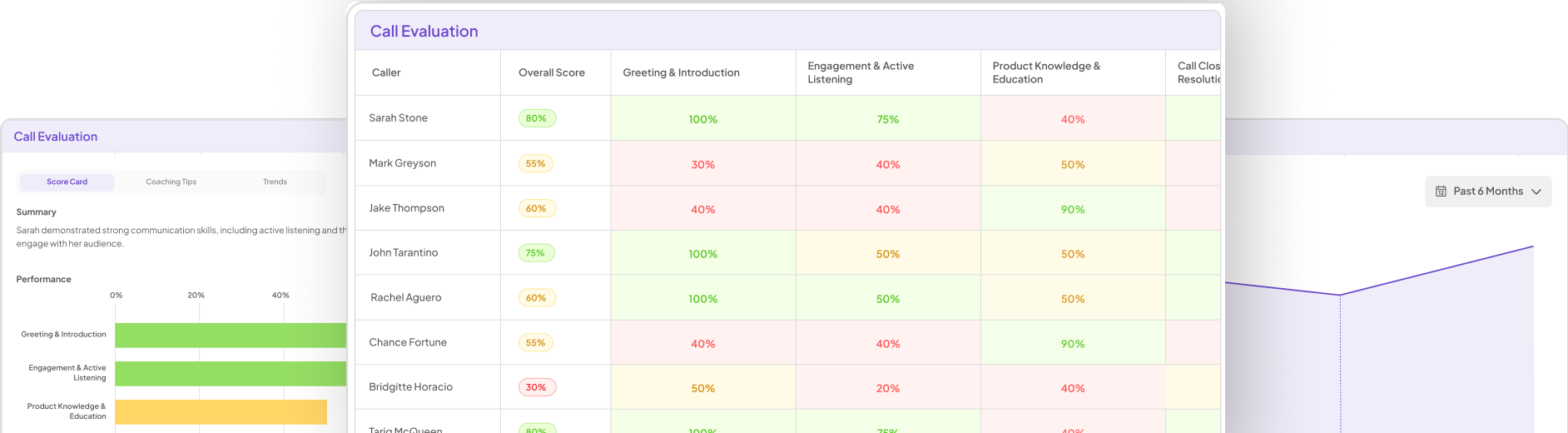
Each communication is assigned an overall compliance score, along with specific scores for various protocol elements. The AI also identifies training needs and detects trends in communication failures.
Step 5: Insights & Reporting
The system generates detailed reports and dashboards that provide insights into worker performance, compliance trends, and areas requiring further training. This data-driven approach allows organizations to proactively address communication gaps.
By automating the monitoring process, AI not only enhances compliance but also improves the overall quality of communication within rail operations.
Implementation & Integration
To successfully integrate AI feedback systems into your rail communication practices, follow these steps:
Preparation:
- Define the scope of communication to be recorded, including which teams and contractors will be monitored.
- Assess current communication tools and identify any gaps in compliance.
Execution:
- Choose an AI platform, such as Insight7, that offers robust call recording and analysis capabilities.
- Implement the system across all communication channels, ensuring compatibility with BYOD (Bring Your Own Device) policies.
Evaluation:
- Monitor the effectiveness of the AI system in real-time. Use the insights gained to refine communication protocols and training programs.
- Regularly assess compliance scores and identify trends that may indicate areas for improvement.
Iteration & Improvement:
- Use the data collected to continuously enhance training interventions. For example, if a specific team shows a high rate of protocol violations, targeted coaching sessions can be implemented.
- Conduct regular reviews of the AI system’s performance to ensure it meets evolving regulatory requirements.
By following these steps, rail organizations can create a culture of compliance and safety through enhanced communication practices.
Business Impact & Use Cases
The implementation of AI feedback systems in rail communication can yield significant benefits:
Protocol Failure Detection:
AI can quickly identify critical failures, such as missing phonetic alphabet usage or lack of repeat-backs on safety-critical instructions. Traditional methods take weeks to uncover these issues, while AI can provide insights within hours.
Workforce Monitoring at Scale:
With AI, organizations can monitor 100% of recorded communications, providing visibility into every worker's performance. This comprehensive oversight enables targeted training and coaching, ultimately leading to improved compliance.
Training & Coaching:
AI-driven insights allow for a shift from reactive to proactive training. Instead of generic annual refreshers, organizations can implement targeted coaching based on specific communication gaps identified by the AI.
Incident Investigation:
In the event of an incident, AI systems facilitate rapid retrieval of relevant call recordings, significantly reducing the time spent on manual searches. This capability allows for thorough investigations and timely corrective actions.
By leveraging AI feedback systems, rail organizations can not only meet regulatory compliance but also enhance safety, efficiency, and overall communication quality across their operations.
Frequently Asked Questions
Q1: How does AI improve compliance in rail communications?
AI automates the monitoring and analysis of communications, ensuring that all safety-critical calls are recorded and assessed against established protocols.
Q2: What are the benefits of using AI for training purposes?
AI provides targeted insights that allow organizations to focus their training efforts on specific areas of need, improving overall workforce competence.
Q3: Can AI systems integrate with existing communication tools?
Yes, platforms like Insight7 are designed to work with various communication systems, including mobile devices and VoIP applications.
Q4: How quickly can organizations expect to see results from AI implementation?
Organizations may begin to see improvements in compliance and communication quality within weeks of implementing an AI feedback system.
Q5: What happens if compliance gaps are identified?
AI systems will flag compliance issues, allowing organizations to take immediate action, such as implementing targeted training or adjusting communication protocols.
By embracing AI technology, the rail industry can enhance its communication discipline, ensuring safety and compliance in a rapidly evolving regulatory landscape.








