

Improving agent performance in the call center: Burnout prevention strategies
-
 Bella Williams
 - 10 min read

In today's fast-paced call center environment, preventing agent burnout is crucial for enhancing performance and maintaining employee well-being. Strategies such as implementing flexible scheduling, encouraging regular breaks, and providing mental health resources can significantly reduce stress levels among agents. Additionally, fostering a supportive work culture and offering training programs focused on stress management are essential for creating a resilient workforce. By prioritizing these burnout prevention strategies, call centers can not only improve agent satisfaction but also enhance overall service quality and customer experience. This article will explore effective methods to combat burnout, emphasizing the importance of a holistic approach that integrates technology, coaching, and a focus on emotional well-being.
Effective Strategies for Preventing Call Center Agent Burnout
In the competitive landscape of call centers, preventing agent burnout is essential for improving performance and ensuring employee satisfaction. Effective strategies for burnout prevention include implementing AI-powered call analytics, fostering a supportive work culture, and providing targeted coaching. By leveraging technology to automate routine tasks and enhance performance management, call centers can create an environment where agents feel valued and empowered. This article will delve into specific strategies that can help mitigate burnout, focusing on the integration of AI tools, the importance of emotional intelligence, and the role of continuous feedback in enhancing agent performance.
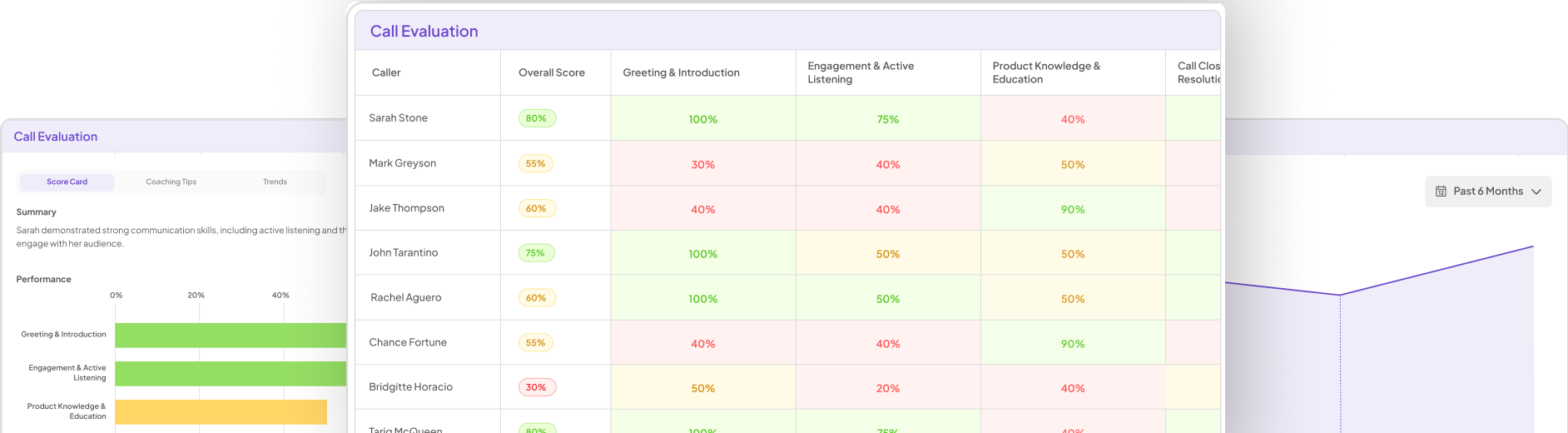
One of the most effective strategies for preventing burnout among call center agents is the implementation of AI-powered call analytics. Platforms like Insight7 automatically evaluate customer interactions, scoring them against custom quality criteria. This not only ensures that agents receive unbiased feedback but also helps identify areas for improvement. By automating call evaluations, managers can focus on coaching and development rather than being bogged down by manual quality assurance processes. This shift allows agents to receive timely and relevant feedback, which can significantly reduce feelings of frustration and overwhelm.
Moreover, fostering a supportive work culture is vital in preventing burnout. Call centers should prioritize creating an environment where agents feel comfortable discussing their challenges and seeking help. Regular team meetings and open lines of communication can facilitate this. Additionally, providing mental health resources and encouraging regular breaks can help agents recharge and maintain their well-being. When agents feel supported, they are more likely to stay engaged and motivated, leading to improved performance and lower turnover rates.
Coaching and performance management also play a crucial role in burnout prevention. By utilizing AI-driven insights, managers can track agent performance over time and identify skill gaps. This allows for personalized coaching recommendations that address specific needs. Continuous monitoring of quality and compliance ensures that agents are not only meeting performance standards but are also developing their skills in a way that feels manageable and achievable. This targeted approach to coaching can alleviate the pressure agents may feel when faced with high expectations, ultimately reducing burnout.
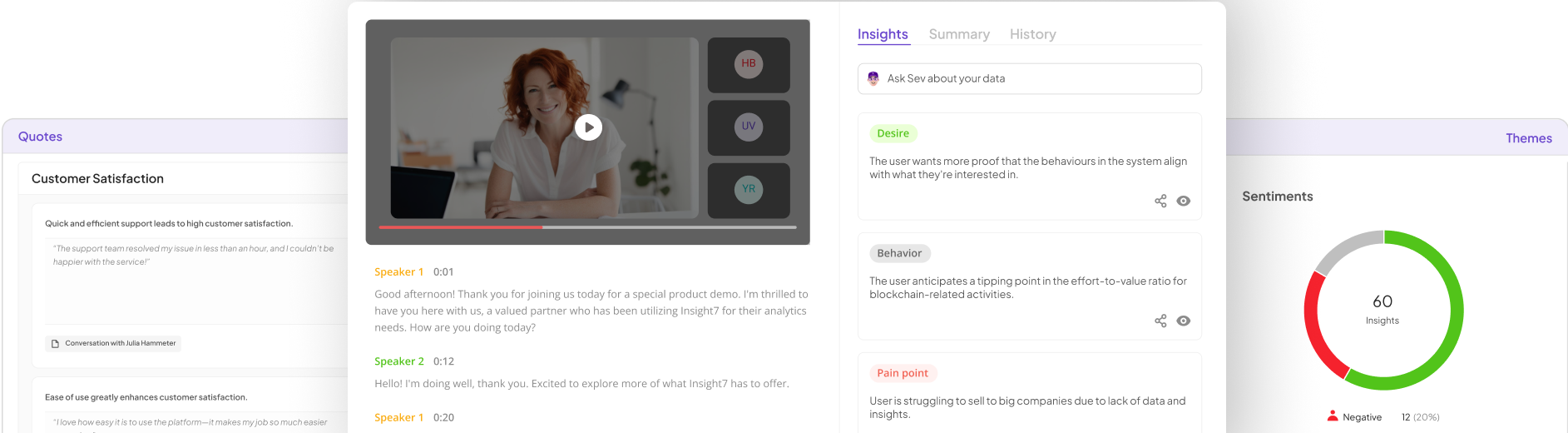
In addition to these strategies, understanding customer sentiment and pain points is essential for improving agent performance. AI tools can uncover recurring issues and trends in customer interactions, enabling agents to address problems proactively. By equipping agents with the knowledge of what drives customer satisfaction, they can approach their work with confidence and purpose. This empowerment can lead to a more positive work experience, reducing the likelihood of burnout.
Furthermore, integrating emotional intelligence training into the call center environment can significantly enhance agent resilience. Training programs that focus on stress management, empathy, and effective communication can equip agents with the skills they need to navigate challenging interactions. When agents are trained to recognize and manage their emotions, they are better prepared to handle the demands of their roles, leading to a decrease in burnout rates.
In conclusion, preventing burnout in call center agents requires a multifaceted approach that combines technology, supportive culture, targeted coaching, and emotional intelligence training. By implementing AI-powered call analytics, fostering open communication, and providing personalized coaching, call centers can create an environment that not only enhances agent performance but also prioritizes their well-being. This holistic approach will ultimately lead to improved service quality, higher employee satisfaction, and a more resilient workforce.
Comparison Table
Comparison Table
When it comes to improving agent performance in call centers, burnout prevention strategies play a crucial role. The following comparison highlights key strategies and their effectiveness:
| Strategy | Description | Impact on Agent Performance |
|---|---|---|
| AI-Powered Call Analytics | Automatically evaluates customer interactions to provide unbiased feedback. | Enhances performance through timely insights and reduces frustration. |
| Flexible Scheduling | Allows agents to choose shifts that suit their personal needs. | Increases job satisfaction and reduces stress levels. |
| Regular Breaks | Encourages agents to take short breaks throughout their shifts. | Improves focus, reduces fatigue, and enhances overall well-being. |
| Emotional Intelligence Training | Provides agents with skills to manage emotions and stress effectively. | Builds resilience, leading to better handling of challenging calls. |
| Supportive Work Culture | Fosters open communication and a sense of belonging among agents. | Enhances engagement and reduces feelings of isolation. |
| Targeted Coaching | Utilizes performance data to offer personalized coaching recommendations. | Addresses specific skill gaps, leading to improved confidence and performance. |
By implementing these strategies, call centers can create a supportive environment that not only enhances agent performance but also prioritizes their mental well-being, ultimately leading to better customer experiences.
Selection Criteria
Selection Criteria
To effectively improve agent performance in call centers and prevent burnout, several key selection criteria must be considered. First, the integration of AI-powered call analytics, like those offered by Insight7, is essential. These tools automatically evaluate customer interactions, providing unbiased feedback that helps identify areas for improvement and reduces frustration among agents. Second, fostering a supportive work culture is crucial; this includes open communication, regular breaks, and mental health resources that empower agents to manage stress. Third, targeted coaching based on performance data ensures personalized development, addressing specific skill gaps and enhancing confidence. Finally, incorporating emotional intelligence training equips agents with the skills to navigate challenging interactions, ultimately leading to a more resilient workforce and improved service quality.
Implementation Guide
To improve agent performance in call centers and prevent burnout, implementing effective strategies is essential. Key recommendations include utilizing AI-powered call analytics to provide unbiased feedback, fostering a supportive work culture, and offering targeted coaching based on performance data. Regular breaks and flexible scheduling can enhance job satisfaction and reduce stress levels. Additionally, training in emotional intelligence equips agents with the skills to manage stress and navigate challenging interactions. By prioritizing these strategies, call centers can create an environment that not only boosts agent performance but also supports their mental well-being, ultimately leading to improved customer experiences.
In today's fast-paced call center environment, agent burnout is a significant concern that can impact performance and customer satisfaction. To combat this, organizations should focus on several key strategies. First, integrating AI-powered call analytics, such as those offered by Insight7, allows for the automatic evaluation of customer interactions, providing agents with timely and unbiased feedback. This helps identify areas for improvement and reduces frustration.
Second, fostering a supportive work culture is crucial. This includes open communication, regular breaks, and mental health resources that empower agents to manage stress effectively. Third, targeted coaching based on performance data ensures personalized development, addressing specific skill gaps and enhancing agents' confidence.
Additionally, implementing flexible scheduling allows agents to choose shifts that suit their personal needs, increasing job satisfaction and reducing stress levels. Emotional intelligence training is also vital, as it equips agents with the skills to handle challenging interactions with empathy and resilience. By prioritizing these strategies, call centers can create a supportive environment that enhances agent performance while promoting their mental well-being, ultimately leading to better customer experiences.
Frequently Asked Questions
Frequently Asked Questions
Q: What are some effective strategies for preventing burnout among call center agents?
A: Effective strategies include implementing flexible scheduling, providing regular breaks, and offering mental health resources. Additionally, fostering a supportive work culture and utilizing AI-powered call analytics can help identify stressors and improve agent performance.
Q: How can AI-powered call analytics help reduce agent burnout?
A: AI-powered call analytics, like those from Insight7, automatically evaluate customer interactions, providing unbiased feedback that helps agents identify areas for improvement, reducing frustration and stress.
Q: What role does emotional intelligence training play in preventing burnout?
A: Emotional intelligence training equips agents with the skills to manage stress and navigate challenging interactions, enhancing their resilience and overall job satisfaction.
Q: How can targeted coaching improve agent performance and well-being?
A: Targeted coaching based on performance data ensures personalized development, addressing specific skill gaps and boosting agents' confidence, which can lead to improved job satisfaction and reduced burnout.
Q: Why is a supportive work culture important for call center agents?
A: A supportive work culture fosters open communication and provides mental health resources, empowering agents to manage stress effectively and enhancing their overall well-being and performance.