

How to train new hires on insurance claim assistance with AI
-
 Bella Williams
 - 10 min read

Training new hires in insurance claim assistance can be a daunting task, especially when considering the emotional complexities involved in financial services conversations. New agents often encounter clients at their most vulnerable—facing denied claims, financial losses, or overwhelming debt. This blog post explores how integrating artificial intelligence (AI) into the training process can enhance the effectiveness of onboarding new hires in the insurance industry.
The Emotional Reality of Financial Conversations
When it comes to financial services, conversations are rarely just transactional. They often involve deeply personal issues tied to security, self-worth, and life stability. For customers dealing with denied insurance claims, the stakes are incredibly high. They may be counting on that claim to cover medical bills or property damage, and a denial can feel like a personal failure.
For customers, the emotional landscape includes:
- Fear: "What happens next?" or "How will I pay my bills?"
- Shame: "I should have known better" or "Everyone else can manage this."
- Anger: "You don’t understand my situation" or "This isn’t fair."
For agents, the challenges are equally daunting:
- They must deliver bad news that they didn't cause.
- They often have limited authority to help, bound by underwriting and company policies.
- They face emotional contagion, absorbing customer anxiety and anger.
Traditional training methods often focus on compliance and scripts, failing to prepare agents for the emotional intensity of these conversations. This is where AI can play a transformative role.
How AI Roleplay Enhances Training
AI roleplay provides a safe and effective way for new hires to practice high-stakes conversations without the risk of real-world consequences. By simulating customer interactions, AI helps agents develop empathy while maintaining boundaries, allowing them to learn how to de-escalate financial anxiety without making promises they can't keep.
Key benefits of AI roleplay include:
- Unlimited practice opportunities: Agents can engage in various scenarios multiple times, reinforcing learning.
- Realistic emotional intensity: AI can simulate a range of customer emotions, from anger to desperation.
- Immediate feedback: Agents receive instant evaluations on their performance, identifying strengths and areas for improvement.
- Personalized scenarios: AI can adapt to the agent's skill level, ensuring that training is relevant and challenging.
Scenario: Denied Insurance Claim
Setting: A customer has submitted a $15,000 claim for a medical procedure that has been denied due to a pre-existing condition exclusion.
Participants:
- Agent: New hire practicing insurance claim assistance.
- AI Customer: Simulated customer expressing frustration and confusion.
Process:
Opening (Prepare for Impact):
- Agent: "I have the decision on your claim. Before I share it, do you have a few minutes to talk through the details?"
- This gives the customer time to prepare emotionally.
Delivery (Clear, Brief, Compassionate):
- Agent: "Your claim was reviewed and unfortunately, it was denied. I know that's not the answer you were hoping for."
- The agent should avoid burying the lead and acknowledge the emotional impact.
Explanation (Separate Policy from Empathy):
- Customer: "WHY? I submitted everything! This is ridiculous!"
- Agent: "I hear how frustrated you are. The denial reason is due to a pre-existing condition exclusion. Let me explain what that means…"
Next Steps (Offer Actionable Solutions):
- Agent: "While I can't change the denial decision, I can walk you through the appeal process and what documentation would strengthen your case. Would that be helpful?"
Outcome:
The agent learns to navigate a difficult conversation with empathy while providing clear information and actionable next steps.
Implementation of AI in Training
To effectively implement AI in training new hires for insurance claim assistance, organizations should follow a structured approach:
Preparation:
- Define learning objectives, focusing on emotional intelligence and communication skills.
- Choose AI platforms like Insight7 that offer realistic roleplay scenarios tailored to the insurance industry.
Execution:
- Schedule regular practice sessions using AI simulations to reinforce learning.
- Encourage agents to engage in various scenarios, ensuring exposure to different customer emotions and situations.
Evaluation:
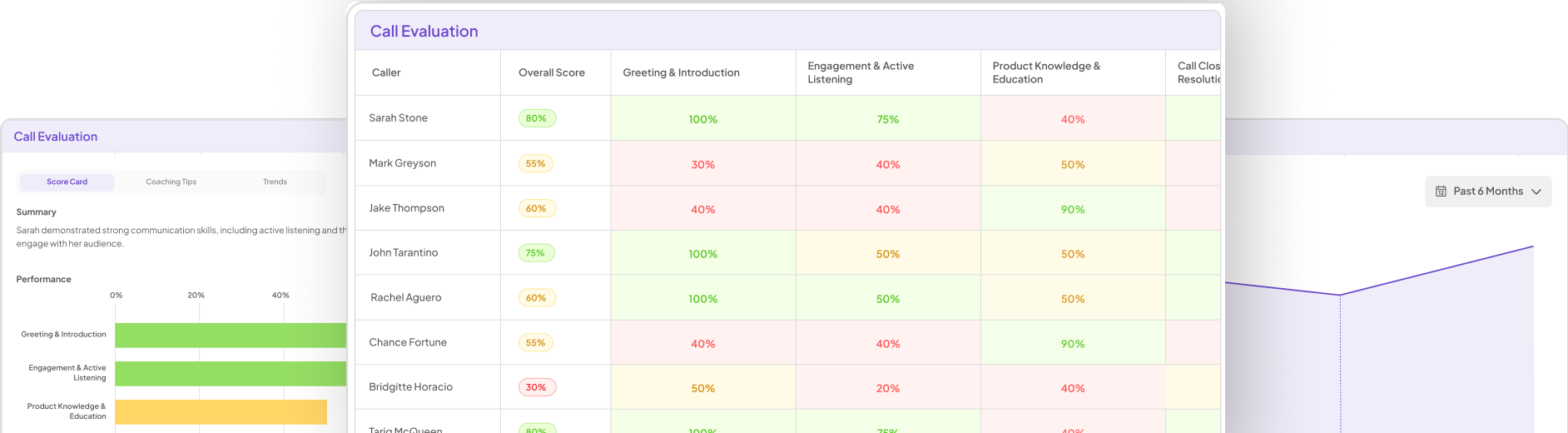
- Use AI analytics to assess agent performance across multiple dimensions, including empathy, clarity, and active listening.
- Provide targeted feedback to help agents improve their skills continuously.
Iteration & Improvement:
- Regularly update training scenarios based on common challenges faced in the field.
- Encourage agents to share their experiences and insights to refine the training process.
The Future of Training in Insurance Claims
As the insurance landscape continues to evolve, integrating AI into training programs will become increasingly essential. The emotional complexities of financial conversations require agents to possess not only technical knowledge but also strong interpersonal skills. By leveraging AI roleplay, organizations can ensure that new hires are well-equipped to handle difficult conversations with confidence and empathy.
In conclusion, the integration of AI in training for insurance claim assistance offers a powerful solution to the challenges faced by new hires. By providing realistic practice scenarios and immediate feedback, AI empowers agents to navigate emotionally charged conversations effectively, ultimately leading to better customer experiences and improved outcomes for both clients and the organization.