How to respond to complaints about favoritism with AI practice
-
 Bella Williams
 - 10 min read

Addressing complaints about favoritism in the workplace is crucial for maintaining a healthy work environment and ensuring employee satisfaction. When favoritism is perceived, it can lead to decreased morale, increased turnover, and a toxic culture. In this blog post, we will explore how AI-powered coaching and roleplay can help leaders effectively respond to complaints about favoritism, fostering a more equitable workplace.
The Importance of Addressing Favoritism
Favoritism can manifest in various ways, such as preferential treatment in promotions, assignments, or recognition. When employees feel overlooked or undervalued, it can lead to resentment and disengagement. The operational stakes are high; a culture of favoritism can result in reduced productivity, increased turnover, and a negative impact on team dynamics. Therefore, addressing complaints about favoritism is not just about individual grievances; it's about preserving the integrity of the organization.
AI-Powered Coaching as a Solution
AI-Powered Coaching provides a structured approach to addressing favoritism complaints. By utilizing AI tools like Insight7, leaders can engage in realistic roleplay scenarios that simulate difficult conversations. This practice allows them to refine their communication skills and develop strategies for addressing employee concerns effectively.
Implementation Steps
Preparation:
- Identify key scenarios related to favoritism that may arise in your workplace.
- Gather data on past complaints and employee feedback to understand the context better.
Execution:
- Roleplay Scenarios: Use Insight7 to create roleplay scenarios where leaders practice responding to complaints about favoritism. This could involve a simulated conversation with an employee who feels overlooked.
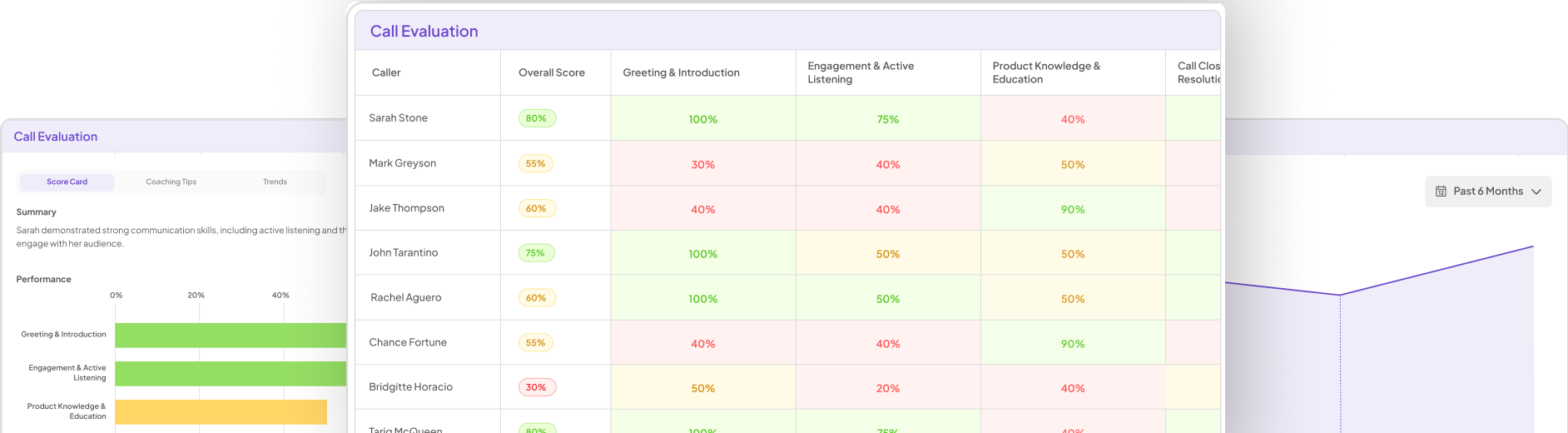
- Real-Time Feedback: After each roleplay session, Insight7 provides immediate feedback on communication effectiveness, empathy, and clarity. This helps leaders identify areas for improvement.
Evaluation:
- Assess the effectiveness of the roleplay sessions by gathering feedback from participants.
- Use performance metrics to evaluate improvements in handling favoritism complaints.
Iteration & Improvement:
- Continuously refine roleplay scenarios based on new complaints or changing workplace dynamics.
- Encourage leaders to engage in regular practice sessions to maintain their skills.
Practical Value of AI Coaching
The practical value of AI coaching lies in its ability to create a safe environment for leaders to practice difficult conversations without real-world consequences. By using Insight7, leaders can:
- Enhance Empathy: Roleplay scenarios allow leaders to step into the shoes of their employees, fostering a deeper understanding of their concerns.
- Build Confidence: Regular practice helps leaders feel more prepared to address complaints in real situations, reducing anxiety and improving their response.
- Standardize Responses: AI coaching ensures that leaders are equipped with consistent messaging when addressing favoritism complaints, reinforcing organizational values.
Conclusion
Responding to complaints about favoritism requires a thoughtful and empathetic approach. By leveraging AI-powered coaching tools like Insight7, leaders can develop the skills necessary to address these complaints effectively. This not only improves individual employee experiences but also contributes to a healthier organizational culture. Investing in AI coaching is a proactive step toward fostering an equitable workplace where all employees feel valued and heard.