

Prospect Journey Mapping begins with a simple yet powerful idea: understanding your potential customers through their interactions. Every call with a prospect offers insights into their thoughts, hesitations, and preferences. By extracting these details, you can create meaningful journey maps that reflect their experiences and needs.
This process involves analyzing conversations to identify key touchpoints along the prospect's journey. Each touchpoint sheds light on customer pain points and moments of delight, empowering you to optimize your approach. Ultimately, effective Prospect Journey Mapping creates a visual guide that aids in improving customer interactions, leading to stronger relationships and enhanced decision-making.
Understanding the Importance of Prospect Journey Mapping
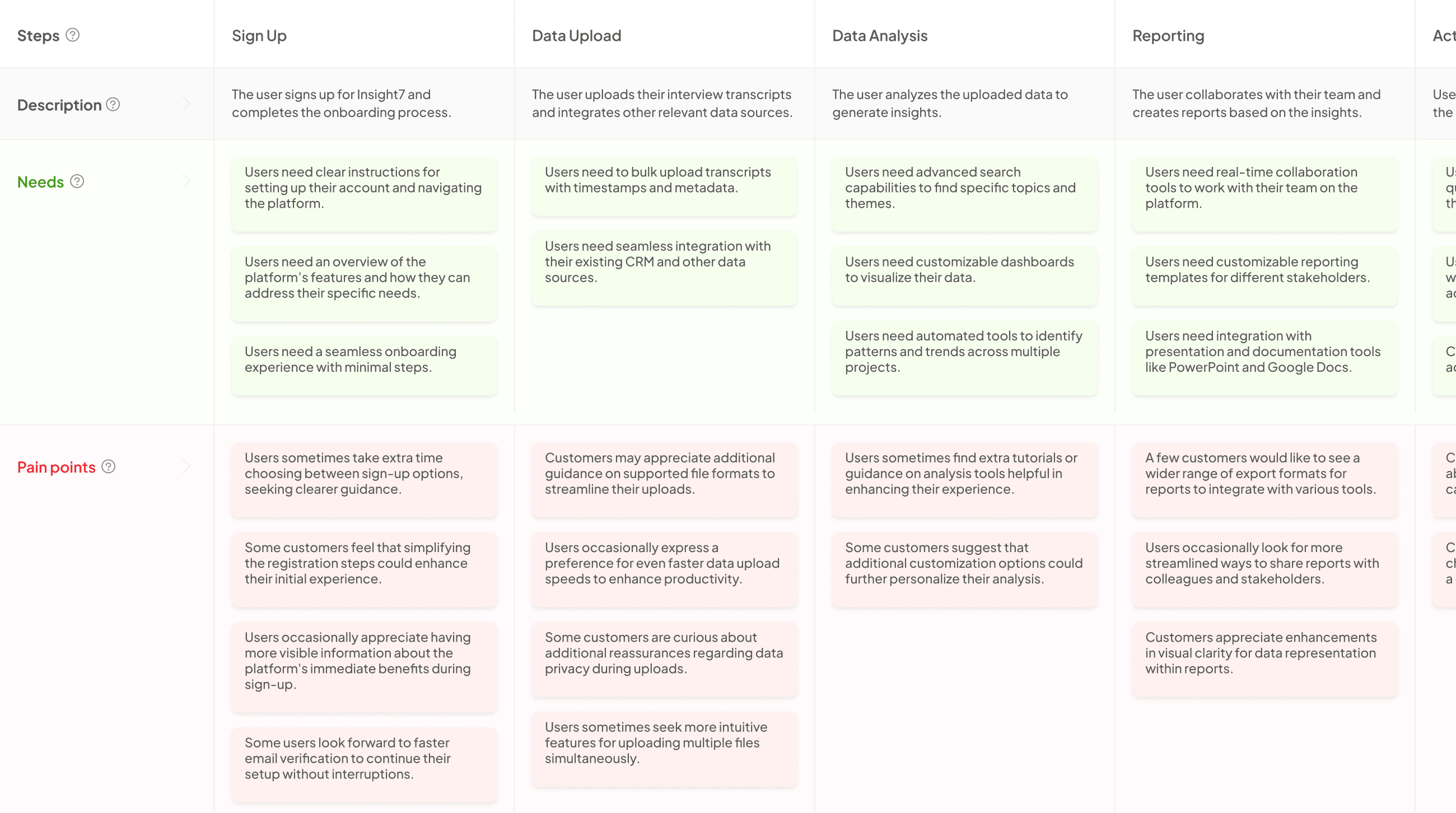
Understanding the importance of Prospect Journey Mapping involves recognizing how it can significantly enhance your understanding of customer experiences. By mapping out the journey a prospect takes during their interaction with your brand, you can identify key touchpoints and moments where they may experience friction. This insightful process not only sheds light on customer behaviors but also helps uncover areas for improvement within your service or product offerings.
When you analyze calls with prospects, each conversation reveals valuable insights that contribute to understanding their journey. By turning dialogue into visual representations, you can create intuitive maps that display the entire experience from initial research to decision-making. This strategic visualization enables you to pinpoint pain points, understand customer needs, and ultimately tailor your approach. The result is a holistic view of the customer experience that drives more informed business decisions and enhances customer satisfaction.
Key Elements of Effective Journey Maps
Effective journey maps serve as vital tools in understanding the customer experience, particularly during prospect calls. First and foremost, a clear visualization of the customer journey must be established. This means outlining each stage—from initial research to final decision-making—allowing for a comprehensive view of how prospects interact with your services. Accurate identification of key touchpoints is essential to reveal where customers find satisfaction and where they encounter friction.
Additionally, integrating actionable insights is crucial. This involves not just identifying pain points, but also providing recommendations for improvement. When mapping out the journey, consider emotional responses alongside functional needs; this nuanced understanding fosters deeper connections with prospects. Ultimately, effective prospect journey mapping translates into a clearer path for enhancing customer interactions and driving satisfaction. By maintaining focus on the customer's experience, organizations can evolve their strategies, resulting in improved engagements and conversions.
Analyzing Prospect Calls for Insights
Analyzing prospect calls offers a treasure trove of insights that can significantly enhance the process of prospect journey mapping. During calls, potential customers reveal their needs, preferences, and pain points, all of which can be recorded and analyzed. By carefully evaluating these conversations, businesses can identify recurring themes and specific customer behaviors, enabling them to tailor their marketing and sales strategies effectively.
To maximize the value derived from prospect calls, follow a systematic approach: First, categorize calls based on key areas such as product inquiries, upsell opportunities, and delivery inquiries. Next, highlight the recurring questions and concerns raised during these conversations, as they can signal larger trends across your customer base. Finally, synthesize these insights into a cohesive mapping strategy that visualizes the prospect journey. By doing so, organizations can better understand customer motivations and interactions, ultimately fostering stronger relationships with prospects.
Step-by-Step Process to Generate Prospect Journey Mapping
To generate effective Prospect Journey Mapping from calls, start by gathering all relevant data from your conversations with prospects. Listen carefully to the recordings or transcripts, and note the key moments that highlight their needs, concerns, and emotions. This initial step is crucial as it forms the foundation for understanding the journey the prospect has taken.
Next, identify key touchpoints in the journey where prospects interact with your service or product. This includes moments of engagement, inquiry, and any friction points they may have experienced. Documenting these experiences allows for a clear visualization of the customer experience. Finally, create a visual journey map that encapsulates these insights, illustrating the prospect’s journey from initial awareness to decision-making. Incorporate recommendations and strategies to enhance their experience based on the identified pain points, ensuring a complete and actionable Prospect Journey Mapping.
Step 1: Gathering Data from Prospect Calls
To effectively gather data from prospect calls, start by carefully selecting a representative sample of calls to analyze. Focus on calls that highlight significant interactions, challenges, and decision-making processes. These selected calls will provide deeper insights into the customer experience, enabling you to identify patterns and understand pain points that prospects encounter. Employ a structured approach when examining the calls, taking meticulous notes on key themes that arise during conversations.
Next, categorize the insights you gather to form a more comprehensive overview of the prospect journey. This may involve grouping data by themes like customer needs, objections, or specific service requirements. By organizing the information systematically, you can facilitate a clearer depiction of the prospect journey mapping process. This analytical foundation will serve as a valuable resource for visualizing the customer experience and addressing concerns effectively in the next steps.
Step 2: Identifying Key Touchpoints and Pain Points
Identifying key touchpoints and pain points is crucial in the realm of prospect journey mapping. Begin by reviewing transcripts from your prospect calls, aiming to understand the customer experience comprehensively. Each touchpoint represents a moment where prospects engage with your brand, allowing you to evaluate their feelings and actions at that stage. Recognizing what actions resonate positively will guide you in enhancing these experiences and confirming what draws prospects closer to conversion.
Next, it is essential to identify pain points that hinder the customer journey. Look for recurring themes across different calls, such as frustrations with product features or challenges in the onboarding process. This helps reveal critical areas for improvement and can lead to actionable insights. By systematically analyzing these touchpoints and pain points, you position yourself to create a journey map that not only reflects the prospect's experience but also serves to optimize their interactions and ultimately drive better business outcomes.
Step 3: Creating the Visual Journey Map
Creating the visual journey map serves as a pivotal stage in the prospect journey mapping process. This step enables you to convert raw data from prospect calls into a comprehensive visual representation that highlights customer experiences. Start by organizing insights gathered from calls into distinct stages, such as research, product evaluation, and final decision-making. Each stage should illustrate the various touchpoints, revealing where prospects encountered friction or satisfaction.
Next, use a format that is easy to understand, such as a flowchart or infographics, to depict these findings clearly. Incorporate elements showing each touchpoint’s impact on the customer journey, including pain points and opportunities for improvement. This visual map not only aids in identifying areas for enhancement but also informs your team on how to tailor future interactions. By visualizing the customer journey, you can create strategic initiatives aimed at enriching the prospect's experience and driving higher conversion rates.
Essential Tools for Prospect Journey Mapping
To effectively generate prospect journey mapping, utilizing the right tools is crucial. Various software options can facilitate the collection, analysis, and visualization of insights gathered from prospect calls. These tools streamline the process, ensuring that teams can focus on extracting valuable customer feedback without the hassle of complex workflows. Each tool offers unique functionalities that cater to specific needs in journey mapping.
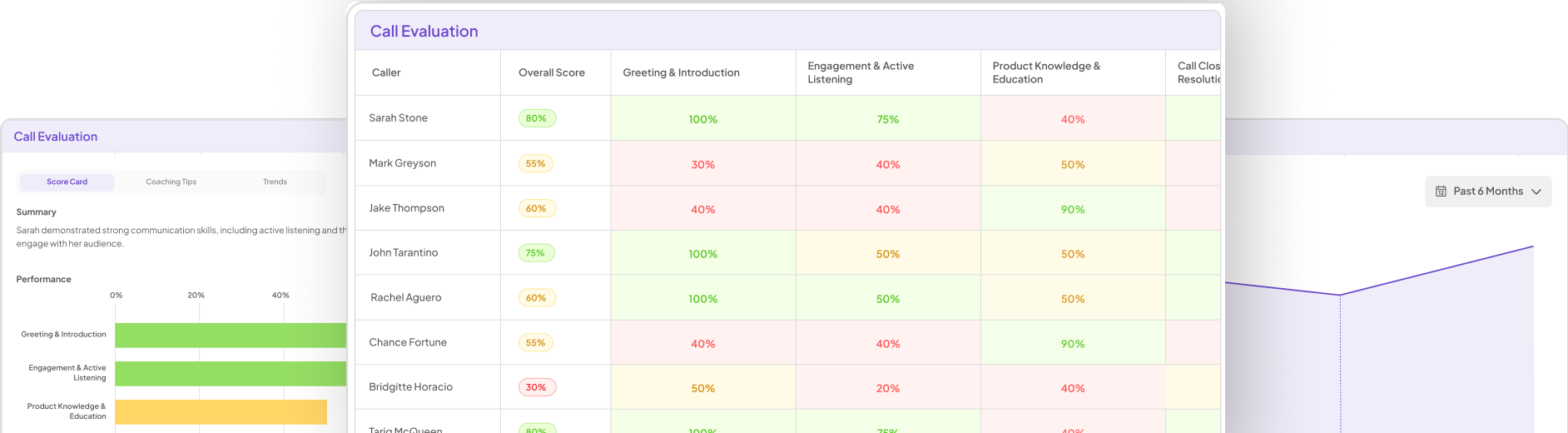
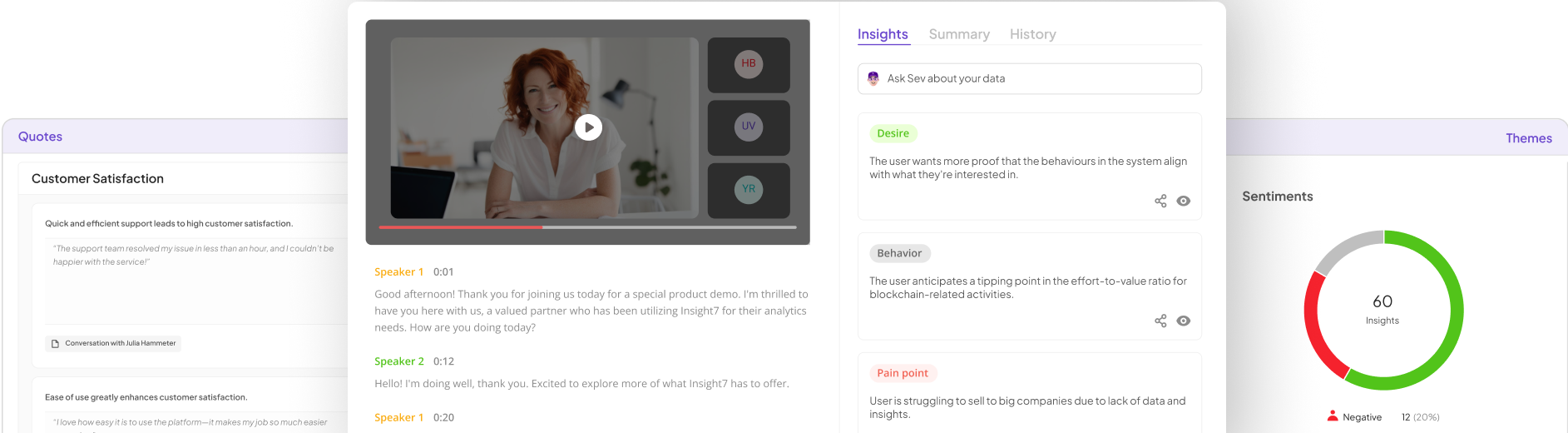
Insight7 is designed to transcribe calls and present key insights in an easily digestible format. It identifies customer pain points, desires, and behaviors through voice analysis. HubSpot allows for tracking interactions and managing relationships with prospects, while Salesforce integrates sales data, making it easier to visualize the customer journey. Lastly, Lucidchart empowers teams to create visual journey maps that clearly outline the prospect experience, promoting better understanding and actionable insights. By harmonizing these tools, businesses can enhance their prospect journey mapping efforts significantly.
insight7
Understanding the core elements of Prospect Journey Mapping is crucial for transforming prospect calls into actionable insights. Start by actively listening during these calls, as every conversation unveils unique customer needs and challenges. By questioning prospects and encouraging dialogue, businesses can better understand the motivations behind their inquiries, which helps in mapping their journey more effectively.
Next, it’s essential to identify key touchpoints experienced during the call. This allows you to highlight significant interactions and recognize any pain points that may arise. By consolidating this information into a cohesive visual journey map, companies can streamline their engagement strategies and optimize customer experiences. Effectively analyzing these calls not only enhances understanding but also ensures that insights are strategically integrated into your business model. Remember, the aim is to create a prospect journey that is both illuminating and supportive, guiding potential customers towards their goals.
Tool 2: HubSpot
HubSpot serves as an essential tool for effective Prospect Journey Mapping. It simplifies the process of collecting and analyzing data from prospect calls, making it accessible for all team members, regardless of their expertise. The platform allows users to transcribe calls effortlessly and visualize customer interactions. This capability aids in identifying key insights about customer pain points, desires, and feedback. By streamlining the input of call data, HubSpot enhances the crafting of journey maps that reflect genuine customer experiences.
The platform also offers a central library where all recorded calls and transcripts are stored. Users can filter through individual calls or aggregate data from multiple conversations, allowing for comprehensive analysis. These insights can then be compiled into actionable reports, supporting data-driven decision-making. Utilizing HubSpot not only saves time but also democratizes access to valuable customer insights. Through systematic analysis, teams can create detailed journey maps that highlight the customer experience effectively, ensuring that no touchpoint is overlooked.
Tool 3: Salesforce
Salesforce plays a pivotal role in the process of Prospect Journey Mapping. It serves as a comprehensive platform that helps businesses gather and analyze valuable data from prospect calls. By integrating call transcripts and keyword analysis, Salesforce enables teams to identify crucial interactions that shape the prospect's journey. This functionality allows for effective tracking of individual touchpoints, facilitating a deeper understanding of customer behaviors and preferences.
To maximize the benefits of Salesforce, consider the following steps. First, upload and organize call recordings in a dedicated folder. Next, utilize keyword flags to pinpoint positive and negative interactions easily. Lastly, analyze the insights generated to create a visual journey map that highlights significant trends and patterns. This structured approach not only aids in compliance but also enhances overall customer engagement strategies. Implementing Salesforce in your prospect journey mapping can significantly improve decision-making and ensure a more tailored experience for potential clients.
Tool 4: Lucidchart
For effective prospect journey mapping, Lucidchart stands out as a powerful tool. Its intuitive interface allows users to visualize complex data and relationships clearly. After transcribing and analyzing prospect calls, you can take your insights and seamlessly convert them into engaging journey maps. This transformation enables teams to better understand customer experiences and identify key pain points throughout the journey.
First, import your collected data into Lucidchart. You can utilize templates specifically designed for journey mapping, ensuring a structured and organized approach. Next, outline the critical stages of the customer journey based on your analysis. Mark touchpoints where potential friction may arise and indicate opportunities for improvement. Finally, collaborate with team members in real-time to refine the map, facilitating discussion and alignment on strategies to enhance the overall prospect experience. Lucidchart thus emerges as an essential tool for creating clear and actionable prospect journey maps.
Conclusion: Mastering Prospect Journey Mapping for Success
Mastering Prospect Journey Mapping is crucial for understanding your customer’s experience more thoroughly. By creating detailed journey maps from prospect calls, you can identify key interactions and pain points in their decision-making process. This insight not only illuminates their needs but also allows you to tailor your approach more effectively, enhancing client engagement.
The success of your journey mapping efforts hinges on how well you analyze the data gathered from these calls. Each interaction serves as a valuable touchpoint, revealing the complexities of the prospect's journey. Therefore, refining your Prospect Journey Mapping strategy will empower you to foster stronger relationships and drive business growth.