
How to conduct performance reviews with resistant employees using AI
-
 Bella Williams
 - 10 min read

Conducting performance reviews can be a challenging task, especially when dealing with resistant employees. The stakes are high; effective performance management is crucial for maintaining productivity, morale, and overall workplace culture. With the advent of artificial intelligence (AI), organizations now have powerful tools at their disposal to facilitate these conversations and make them more constructive. This blog will explore how to leverage AI to conduct performance reviews effectively, particularly with employees who may be resistant to feedback.
Understanding the Worker Perspective
In many workplaces, especially in manufacturing and service industries, employees face a unique set of challenges. The physical demands of the job, combined with high production pressures, can lead to skepticism towards authority and management. This skepticism often manifests during performance reviews, where employees may feel defensive or resistant to feedback.
- Physical Demands: Employees often work long hours in physically taxing environments, which can lead to fatigue and stress.
- Production Pressure: The urgency to meet production targets can create a culture where employees feel they are constantly under scrutiny.
- Authority Skepticism: Many workers may have had negative experiences with management in the past, leading to distrust.
- Multilingual Teams: Communication barriers can exacerbate misunderstandings during performance reviews, making it harder for employees to express their concerns or understand feedback.
To successfully engage resistant employees, it’s essential to recognize these dynamics and approach performance reviews with empathy and understanding.
The Performance Conversation Structure
To conduct effective performance reviews with resistant employees, it’s crucial to have a structured approach. Here’s how you can prepare and execute these conversations using AI tools like Insight7.
Preparation:
- Review Performance Data: Analyze attendance, productivity, and quality metrics to identify specific areas of concern.
- Gather Employee Feedback: Use AI tools to collect anonymous feedback from peers or self-assessments to understand the employee’s perspective.
- Set Clear Objectives: Define what you hope to achieve in the conversation, such as improving performance, addressing specific issues, or setting future goals.
Execution:
- Opening Framework: Start the conversation with a non-confrontational tone. For example, say, “I wanted to talk with you about your recent performance. Help me understand what’s going on.”
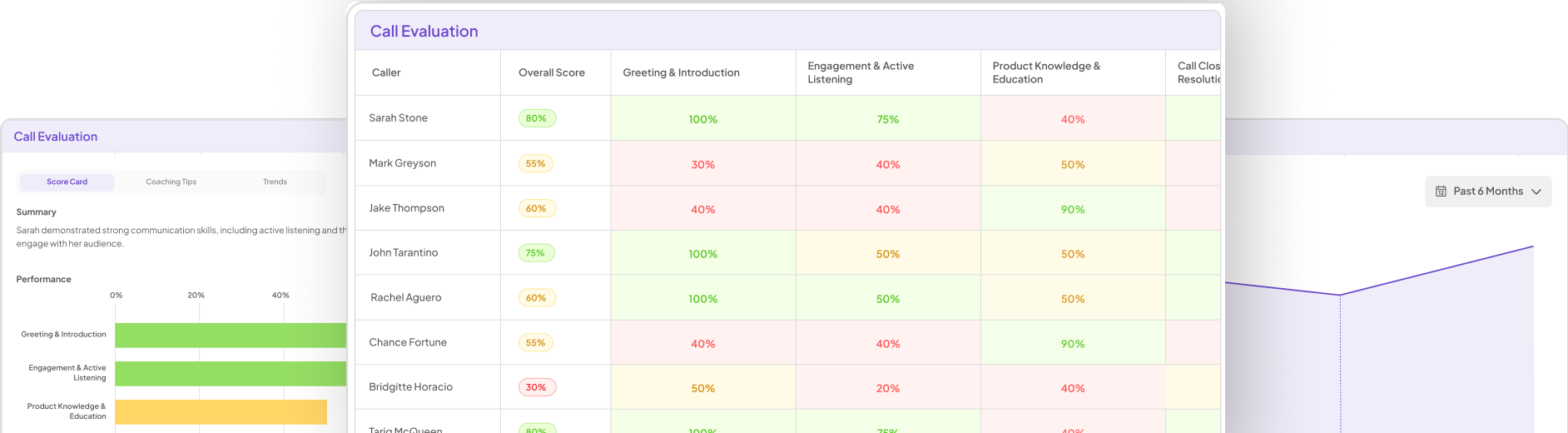
- Use AI Insights: Leverage AI-generated insights from platforms like Insight7 to present data in a way that is clear and objective. For instance, “According to our metrics, your productivity has decreased by 15% over the last quarter. Can you help me understand why?”
- Listen Actively: Encourage the employee to share their perspective. Use AI tools to analyze their responses for emotional cues, helping you gauge their feelings and concerns.
- Collaborative Solution Development: Ask open-ended questions to involve the employee in finding solutions. For example, “What do you think would help improve your performance? What support do you need from me?”
- Set Clear Expectations: Conclude the conversation by outlining specific, measurable goals and timelines for improvement. Use AI to track these goals and send reminders.
Outcome:
By using this structured approach, you create a safe space for dialogue, allowing resistant employees to feel heard and valued. This not only improves the likelihood of a positive outcome but also fosters a culture of continuous improvement.
AI Coaching for Manufacturing Scenarios
AI coaching platforms like Insight7 can be particularly beneficial in preparing for performance reviews. These tools allow managers to practice difficult conversations in a risk-free environment, enhancing their communication skills and emotional intelligence.
Core Practice Environments:
- Safety Incident Response: Practice how to address performance issues that arise from safety violations without placing blame.
- Quality Failure Conversations: Role-play scenarios that require balancing accountability with process improvement.
- Performance Coaching: Simulate delivering feedback that motivates rather than demoralizes.
Benefits of AI Coaching:
- Realistic Simulations: AI creates dynamic, unscripted conversations that mimic real-life interactions, helping managers prepare for various employee responses.
- Instant Feedback: After role-playing, managers receive data-driven feedback on their communication style, allowing for immediate improvement.
- Skill Development: Continuous practice helps managers develop the soft skills necessary for effective performance management, such as empathy and active listening.
Trust Builders and Killers
Building trust during performance reviews is essential, especially with resistant employees. Here are some key factors that can either build or erode trust in these conversations.
Trust Builders:
- Transparency: Be open about the performance metrics and the reasons behind the review.
- Consistency: Use AI tools to ensure that feedback is based on consistent data and not personal biases.
- Empathy: Show genuine concern for the employee’s well-being and career development.
Trust Killers:
- Public Criticism: Avoid discussing performance issues in front of peers, as this can humiliate the employee.
- Vague Feedback: Providing unclear or generalized feedback can lead to confusion and frustration.
- Ignoring Employee Input: Failing to listen to the employee’s perspective can damage trust and engagement.
By focusing on these trust dynamics, managers can create a more conducive environment for performance reviews, leading to better outcomes for both the employee and the organization.
Conclusion
Conducting performance reviews with resistant employees can be challenging, but leveraging AI tools like Insight7 can significantly enhance the process. By understanding the worker perspective, structuring conversations effectively, utilizing AI coaching, and focusing on trust-building, managers can foster a more positive and productive dialogue. This not only helps in addressing performance issues but also contributes to a culture of continuous improvement and employee engagement. Embracing these strategies will ultimately lead to better performance outcomes and a more harmonious workplace.