How speech analytics tools teach proper escalation compliance
-
 Bella Williams
 - 10 min read

Speech analytics tools play a crucial role in teaching proper escalation compliance by providing real-time insights and automated evaluations of customer interactions. These tools analyze conversations to identify compliance gaps and highlight best practices, ensuring that customer-facing teams adhere to established escalation protocols. By leveraging AI-powered analytics, organizations can continuously monitor agent performance, detect sentiment, and assess the effectiveness of resolutions. This not only helps in identifying training needs but also facilitates targeted coaching, enabling teams to improve their compliance with escalation procedures. As a result, businesses can enhance service quality, reduce customer frustration, and ultimately drive revenue growth through improved customer experiences.
In today's fast-paced customer service environment, ensuring proper escalation compliance is vital for maintaining customer satisfaction and loyalty. With the right speech analytics tools, organizations can transform every interaction into an opportunity for learning and growth, fostering a culture of compliance and excellence within their teams.
How Speech Analytics Tools Enhance Escalation Compliance
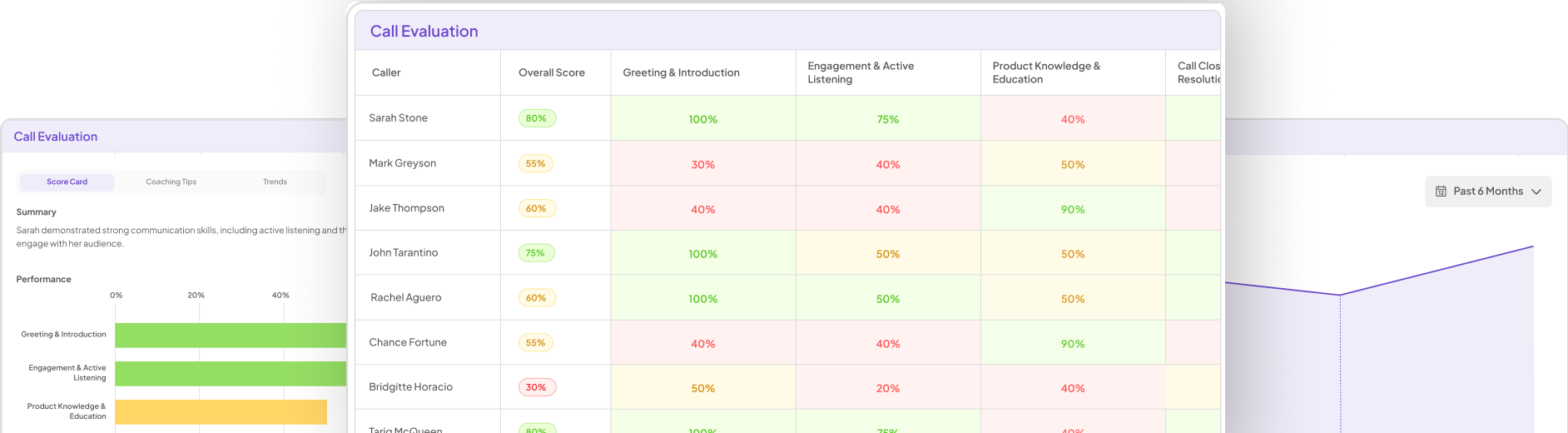
Speech analytics tools are instrumental in teaching proper escalation compliance by providing actionable insights from customer interactions. These tools automatically evaluate conversations, scoring them against predefined quality criteria that include adherence to escalation protocols. By analyzing sentiment, empathy, and resolution effectiveness, organizations can identify where agents may struggle with compliance and offer targeted coaching to improve their skills. This continuous monitoring not only highlights best practices but also ensures that customer-facing teams are consistently aligned with established escalation procedures.
One of the key ways speech analytics tools enhance escalation compliance is through AI-powered call evaluations. By automatically assessing 100% of customer calls, these tools deliver unbiased insights that help organizations pinpoint compliance gaps. For instance, if an agent fails to escalate a call when necessary, the analytics platform can flag this issue, allowing managers to address it promptly. This immediate feedback loop is crucial for reinforcing proper escalation behavior and ensuring that agents understand the importance of following protocols.
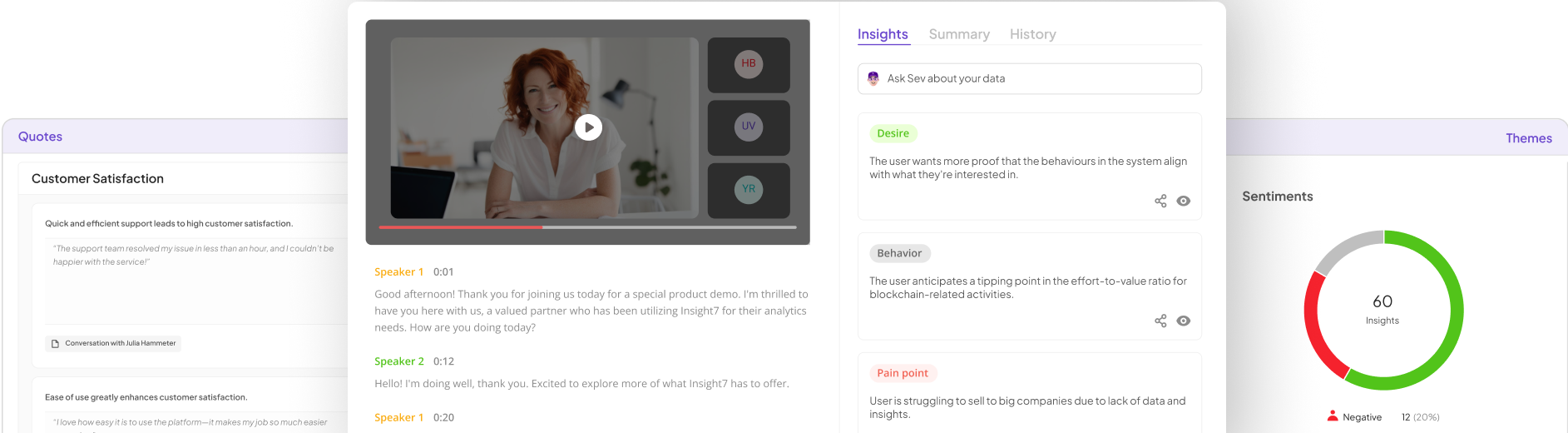
Moreover, speech analytics tools generate actionable coaching insights from real conversations. By tracking agent performance over time, these tools can identify specific skill gaps related to escalation compliance. For example, if an agent consistently struggles with recognizing when to escalate an issue, the platform can suggest personalized coaching recommendations to help them improve. This targeted approach not only enhances individual performance but also fosters a culture of continuous learning within the organization.
In addition to performance management, speech analytics tools provide valuable CX intelligence. By uncovering recurring customer pain points and sentiment trends, organizations can identify the drivers of satisfaction and escalation. This data can inform training programs, ensuring that agents are equipped with the knowledge and skills necessary to handle complex situations effectively. For example, if a particular product issue frequently leads to escalations, training sessions can be tailored to address this specific concern, empowering agents to resolve similar issues without needing to escalate in the future.
The ability to detect upsell and cross-sell opportunities in real time also plays a role in escalation compliance. When agents are trained to recognize these moments, they can enhance customer interactions without escalating the call unnecessarily. Speech analytics tools can surface these opportunities during conversations, allowing agents to capitalize on them while maintaining compliance with escalation protocols.
Furthermore, the multilingual support offered by speech analytics tools ensures that organizations can evaluate global conversations accurately. This capability is especially important for multinational companies that need to maintain consistent escalation compliance across diverse teams and languages. By providing insights in multiple languages, these tools help ensure that all agents, regardless of location, adhere to the same escalation standards.
Finally, the enterprise-grade security features of speech analytics tools, including GDPR and SOC2 compliance, build trust among organizations. Knowing that customer interactions are handled securely allows teams to focus on improving their compliance without the worry of data breaches or regulatory issues. This peace of mind contributes to a more effective training environment, where agents can learn and grow without hesitation.
In summary, speech analytics tools teach proper escalation compliance by providing real-time evaluations, actionable coaching insights, and comprehensive performance management. By leveraging these tools, organizations can enhance their training programs, identify skill gaps, and foster a culture of compliance and excellence within their teams. As a result, businesses can improve service quality, reduce customer frustration, and drive revenue growth through better customer experiences.
Comparison Table
Speech analytics tools teach proper escalation compliance by providing real-time insights and automated evaluations of customer interactions. These tools analyze conversations to identify compliance gaps and highlight best practices, ensuring that customer-facing teams adhere to established escalation protocols. By leveraging AI-powered analytics, organizations can continuously monitor agent performance, detect sentiment, and assess the effectiveness of resolutions. This not only helps in identifying training needs but also facilitates targeted coaching, enabling teams to improve their compliance with escalation procedures. As a result, businesses can enhance service quality, reduce customer frustration, and ultimately drive revenue growth through improved customer experiences.
In today's fast-paced customer service environment, ensuring proper escalation compliance is vital for maintaining customer satisfaction and loyalty. With the right speech analytics tools, organizations can transform every interaction into an opportunity for learning and growth, fostering a culture of compliance and excellence within their teams.
Selection Criteria
Speech analytics tools teach proper escalation compliance by providing real-time insights and automated evaluations of customer interactions. These tools analyze conversations to identify compliance gaps and highlight best practices, ensuring that customer-facing teams adhere to established escalation protocols. By leveraging AI-powered analytics, organizations can continuously monitor agent performance, detect sentiment, and assess the effectiveness of resolutions. This not only helps in identifying training needs but also facilitates targeted coaching, enabling teams to improve their compliance with escalation procedures. As a result, businesses can enhance service quality, reduce customer frustration, and ultimately drive revenue growth through improved customer experiences.
In today's fast-paced customer service environment, ensuring proper escalation compliance is vital for maintaining customer satisfaction and loyalty. With the right speech analytics tools, organizations can transform every interaction into an opportunity for learning and growth, fostering a culture of compliance and excellence within their teams.
Implementation Guide
Speech analytics tools play a crucial role in teaching proper escalation compliance by providing real-time insights and automated evaluations of customer interactions. These tools analyze conversations to identify compliance gaps and highlight best practices, ensuring that customer-facing teams adhere to established escalation protocols. By leveraging AI-powered analytics, organizations can continuously monitor agent performance, detect sentiment, and assess the effectiveness of resolutions. This proactive approach not only identifies training needs but also facilitates targeted coaching, enabling teams to improve their compliance with escalation procedures.
In today's fast-paced customer service environment, ensuring proper escalation compliance is vital for maintaining customer satisfaction and loyalty. With the right speech analytics tools, organizations can transform every interaction into an opportunity for learning and growth, fostering a culture of compliance and excellence within their teams. By implementing these tools, businesses can enhance service quality, reduce customer frustration, and ultimately drive revenue growth through improved customer experiences.
Frequently Asked Questions
Q: How do speech analytics tools teach proper escalation compliance?
A: Speech analytics tools teach proper escalation compliance by analyzing customer interactions in real-time, identifying compliance gaps, and highlighting best practices. This enables organizations to monitor agent performance continuously and provide targeted coaching to improve adherence to escalation protocols.
Q: What are the benefits of using speech analytics for escalation compliance?
A: The benefits include enhanced service quality, reduced customer frustration, and improved training for customer-facing teams. By leveraging AI-powered insights, businesses can foster a culture of compliance and excellence.
Q: How do these tools identify training needs?
A: Speech analytics tools detect sentiment and assess resolution effectiveness, allowing organizations to pinpoint specific areas where agents may require additional training or support.
Q: Can speech analytics tools help in real-time monitoring?
A: Yes, these tools provide real-time monitoring of customer interactions, enabling immediate feedback and adjustments to ensure compliance with escalation procedures.
Q: How do organizations benefit from improved escalation compliance?
A: Improved escalation compliance leads to higher customer satisfaction and loyalty, ultimately driving revenue growth through better customer experiences and reduced churn.