
How AI provides instant feedback on patient communication during intake calls
-
 Bella Williams
 - 10 min read

In the intricate world of healthcare, effective communication is paramount. During intake calls, healthcare contact center agents face unique challenges, balancing empathy with compliance while navigating emotionally charged conversations. Patients often reach out in distress, seeking clarity on coverage, treatment options, or the status of a loved one’s care. The stakes are high, and the conversations are fraught with anxiety, making it essential for agents to deliver information compassionately and accurately. This is where AI can play a transformative role by providing instant feedback on patient communication.
The Healthcare Conversation Reality
Healthcare conversations are unlike those in any other industry. Agents must handle sensitive topics while adhering to strict regulations like HIPAA, which governs the privacy of patient information. Each call can involve emotionally charged situations, such as discussing denied coverage during a medical emergency or addressing billing disputes for life-saving treatments. The emotional weight of these interactions can lead to significant stress for both patients and agents.
For patients and their families, the stakes are incredibly high. They often experience fear and vulnerability, grappling with questions like "Is this cancer?" or "Will I lose coverage?" Many lack medical literacy, making it difficult to understand complex insurance terms or treatment options. For agents, the challenges are equally daunting. They must verify identities without sounding robotic, explain denials with empathy, and navigate the moral complexities of being the "face" of a healthcare system that sometimes fails to meet patients' needs.
AI Coaching: A Solution for Communication Challenges
Traditional training for healthcare agents often emphasizes compliance and medical terminology but frequently overlooks the emotional intelligence required to navigate these difficult conversations. AI coaching offers a solution by providing a safe space for agents to practice and refine their communication skills. Through realistic simulations, agents can learn to deliver bad news compassionately, verify identities without alienating patients, and explain complex insurance issues in plain language.
How AI Coaching Works
AI-powered coaching platforms, such as Insight7, use advanced algorithms to simulate realistic patient interactions. These platforms allow agents to engage in roleplay scenarios where they can practice various communication techniques. Here’s how the process typically unfolds:
Preparation: Agents log into the AI coaching platform and select scenarios that mirror real-world situations they frequently encounter, such as handling a call from a worried spouse or addressing a billing dispute.
Execution: During the roleplay, the AI simulates the patient’s emotional state, allowing agents to practice responding to different levels of anxiety and frustration. The AI can provide prompts, guiding agents on how to approach the conversation effectively.
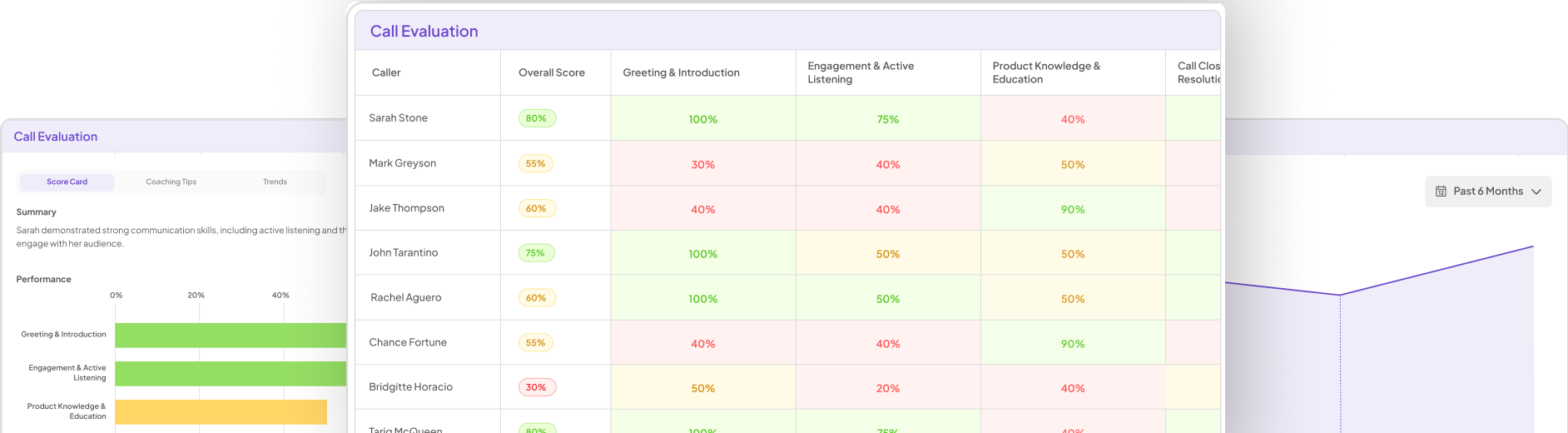
Evaluation: After each interaction, the AI analyzes the agent’s performance across several dimensions, including empathy, clarity, and adherence to compliance protocols. This immediate feedback helps agents identify areas for improvement.
Iteration & Improvement: Agents can repeat scenarios, applying the feedback they receive to enhance their communication skills further. This iterative process allows them to build confidence and competence in handling sensitive conversations.
Practical Value of AI Feedback
The practical benefits of AI coaching extend beyond individual skill development. By providing real-time feedback, AI can help organizations improve overall patient interactions and satisfaction. Here’s how:
- Enhanced Communication Skills: Agents become more adept at navigating difficult conversations, leading to better patient outcomes.
- Reduced Compliance Risks: With AI coaching, agents are less likely to make errors that could lead to HIPAA violations, as they practice proper protocols in a controlled environment.
- Increased Efficiency: The ability to practice and refine skills on demand means agents can become proficient more quickly, reducing the time needed for traditional training methods.
- Improved Patient Satisfaction: When agents communicate effectively and empathetically, patients feel more understood and valued, leading to higher satisfaction rates.
Real-World Scenarios: AI in Action
To illustrate the effectiveness of AI coaching in healthcare communication, consider the following scenario:
Scenario: A spouse calls to inquire about their partner’s test results.
Setting: The agent answers the call, aware that the spouse is anxious and demanding information.
Participants:
- Agent: Contact center representative
- Spouse: Concerned family member
Process:
- Establish Safe Communication: The agent verifies the spouse’s identity while expressing empathy, saying, “I understand how worried you are. Let’s make sure I can help you.”
- Information Exchange: The agent explains the verification process clearly, ensuring the spouse understands why it’s necessary.
- Navigate Difficult Moments: If the spouse becomes frustrated, the agent uses techniques learned through AI coaching to de-escalate the situation, validating the spouse’s feelings while adhering to compliance protocols.
Outcome: The agent successfully navigates the call, providing the spouse with the necessary information while maintaining compliance and empathy. The AI feedback highlights the agent's strengths and areas for improvement, reinforcing effective communication strategies for future interactions.
Conclusion
Healthcare conversations carry significant emotional weight, and the ability to communicate effectively is crucial for both patient satisfaction and compliance. AI-powered coaching platforms like Insight7 provide invaluable support to healthcare agents, enabling them to practice and refine their communication skills in a safe environment. By leveraging instant feedback, agents can enhance their ability to navigate sensitive conversations, ultimately leading to better patient outcomes and increased satisfaction. In a field where every interaction matters, AI coaching represents a powerful tool for transforming how healthcare professionals communicate with patients and their families.