

How AI practice accelerates procedural memory development
-
 Bella Williams
 - 10 min read

Artificial Intelligence (AI) practices significantly enhance procedural memory development by providing personalized, adaptive learning experiences. By leveraging AI-driven tools, individuals can engage in targeted practice sessions that reinforce skills through real-time feedback and performance tracking. This approach not only accelerates the acquisition of procedural knowledge but also fosters long-term retention by utilizing techniques such as spaced repetition and contextual learning. In this article, we will explore how AI-powered platforms, like Insight7, can transform training and coaching processes, enabling customer-facing teams to improve their performance and service quality. We will delve into the mechanisms through which AI facilitates procedural memory development, offering insights into effective strategies for integrating these technologies into training programs.
AI-Powered Tools for Enhancing Procedural Memory
AI-powered tools are revolutionizing the way we enhance procedural memory development, particularly in customer-facing teams. By utilizing platforms like Insight7, organizations can accelerate the acquisition and retention of procedural knowledge through targeted practice sessions, real-time feedback, and performance tracking. This section will delve into how AI practices not only streamline training processes but also significantly improve the effectiveness of coaching and performance management, ultimately leading to better outcomes for both employees and customers.
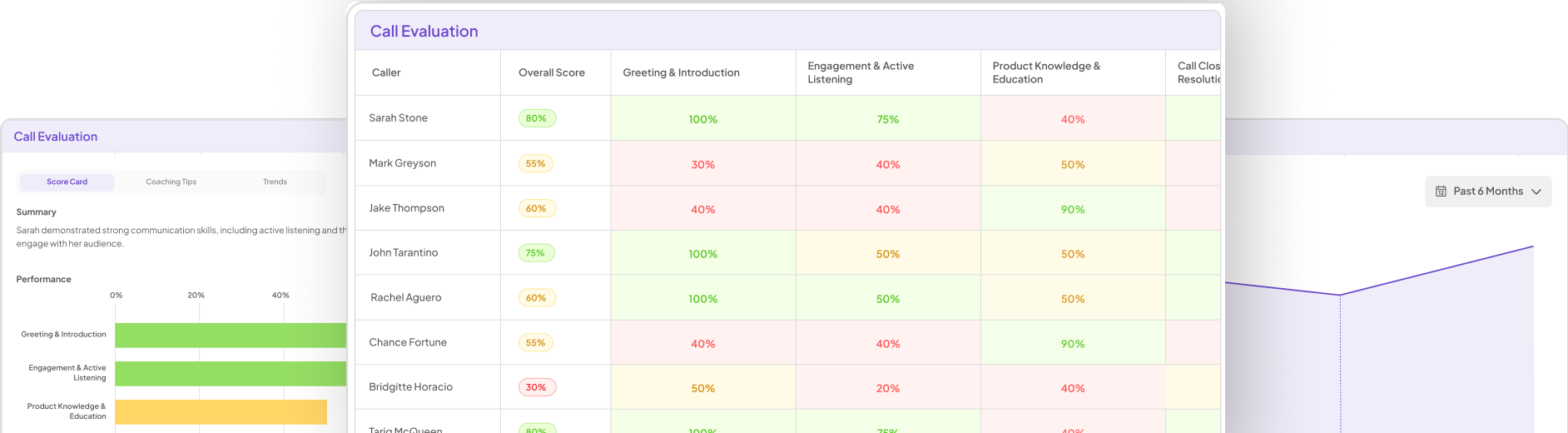
One of the primary ways AI accelerates procedural memory development is through its ability to evaluate and analyze customer interactions automatically. Insight7's AI-powered call analytics platform evaluates 100% of customer calls, scoring interactions based on custom quality criteria. This capability ensures that every conversation is assessed for key elements such as tone, empathy, and resolution effectiveness. By providing consistent and unbiased quality assurance insights, teams can identify specific areas for improvement, enabling targeted coaching that reinforces procedural knowledge.
Moreover, AI tools facilitate personalized coaching recommendations derived from real conversations. For instance, Insight7 generates actionable insights that track agent performance over time, allowing managers to pinpoint skill gaps and suggest tailored coaching strategies. This targeted approach not only enhances the learning experience but also fosters a deeper understanding of procedural tasks, as agents receive feedback that is directly relevant to their performance. As a result, the learning process becomes more efficient, leading to quicker mastery of essential skills.
The integration of AI also supports the concept of spaced repetition, a well-established technique for enhancing memory retention. By analyzing performance data, Insight7 can identify when agents need additional practice on specific skills or knowledge areas. This allows for the implementation of practice sessions that are spaced out over time, reinforcing learning and ensuring that procedural memory is solidified. The combination of real-time feedback and strategic practice sessions creates a dynamic learning environment that accelerates skill acquisition.
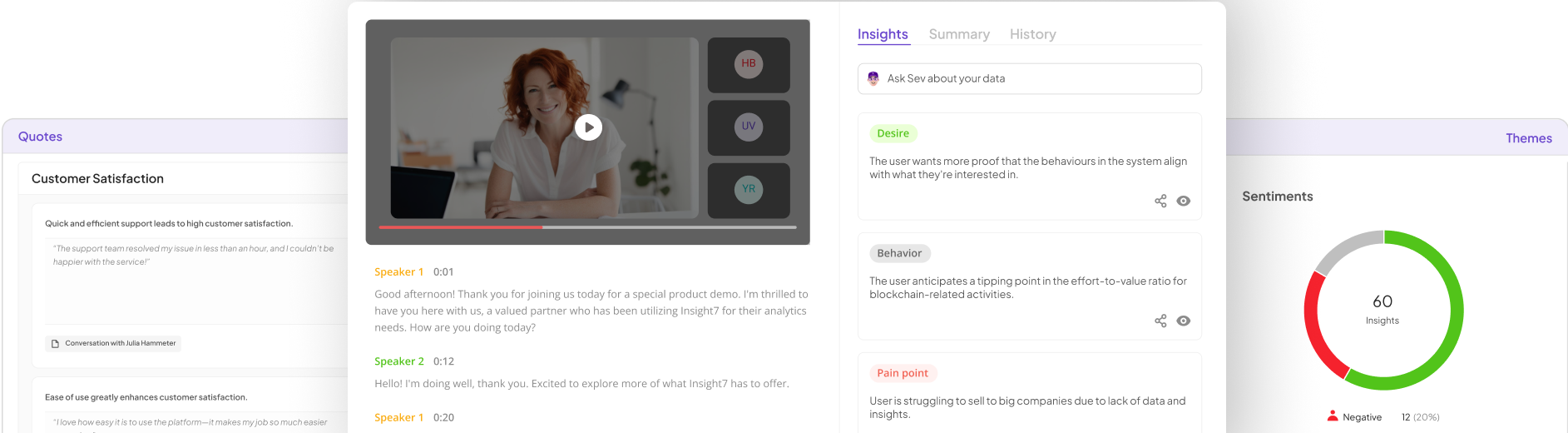
Furthermore, AI-powered tools can uncover recurring customer pain points and sentiment trends, providing valuable insights that inform training programs. By understanding the drivers of customer satisfaction and escalation, organizations can refine their service processes and improve outcomes. This data-driven approach not only enhances the quality of customer interactions but also equips agents with the knowledge they need to handle similar situations in the future, further embedding procedural memory.
In addition to these capabilities, Insight7's multilingual support ensures that training can be tailored to diverse teams across different regions. This inclusivity allows organizations to maintain high standards of service quality while adapting to the specific needs of various customer bases. By evaluating global conversations accurately, AI tools can help teams learn from a wider range of interactions, enhancing their procedural memory through exposure to varied scenarios and customer responses.
Ultimately, the integration of AI into training and coaching processes transforms how organizations approach procedural memory development. By leveraging AI-powered tools like Insight7, customer-facing teams can engage in a more effective learning journey that not only accelerates skill acquisition but also promotes long-term retention of procedural knowledge. As organizations continue to embrace these technologies, they will unlock new levels of performance and growth, turning every customer interaction into an opportunity for learning and improvement.
Comparison Table
AI practices significantly accelerate procedural memory development by providing personalized, adaptive learning experiences that enhance skill acquisition and retention. By leveraging AI-powered tools, like Insight7, organizations can engage customer-facing teams in targeted practice sessions, real-time feedback, and performance tracking. This approach not only streamlines training processes but also fosters long-term retention through techniques such as spaced repetition and contextual learning. In this article, we will explore how AI-driven platforms transform training and coaching, enabling teams to improve their performance and service quality.
AI-powered tools, such as Insight7, revolutionize procedural memory development by automatically evaluating customer interactions. Insight7’s platform assesses 100% of customer calls, scoring them based on custom quality criteria, which ensures every conversation is analyzed for tone, empathy, and resolution effectiveness. This consistent evaluation provides unbiased insights that help identify areas for improvement, enabling targeted coaching that reinforces procedural knowledge.
Moreover, AI facilitates personalized coaching recommendations derived from real conversations. Insight7 generates actionable insights that track agent performance over time, allowing managers to identify skill gaps and suggest tailored coaching strategies. This targeted approach enhances the learning experience and fosters a deeper understanding of procedural tasks, as agents receive feedback directly relevant to their performance.
Additionally, AI tools support spaced repetition, a technique proven to enhance memory retention. By analyzing performance data, Insight7 can pinpoint when agents need extra practice on specific skills, allowing for strategically spaced practice sessions that reinforce learning and solidify procedural memory. The combination of real-time feedback and spaced practice creates a dynamic learning environment that accelerates skill acquisition.
AI-powered tools also uncover recurring customer pain points and sentiment trends, providing valuable insights that inform training programs. Understanding the drivers of customer satisfaction helps organizations refine service processes and improve outcomes, equipping agents with the knowledge needed to handle similar situations in the future, thus embedding procedural memory further.
With multilingual support, Insight7 ensures training can be tailored to diverse teams across various regions. This inclusivity maintains high service quality standards while adapting to the specific needs of different customer bases. By accurately evaluating global conversations, AI tools enhance procedural memory through exposure to varied scenarios and customer responses.
In summary, integrating AI into training and coaching processes transforms how organizations approach procedural memory development. By leveraging AI-powered tools like Insight7, customer-facing teams can embark on a more effective learning journey that accelerates skill acquisition and promotes long-term retention of procedural knowledge, ultimately unlocking new levels of performance and growth.
Selection Criteria
AI practices significantly enhance procedural memory development by providing personalized, adaptive learning experiences that improve skill acquisition and retention. By utilizing AI-powered tools like Insight7, organizations can engage customer-facing teams in targeted practice sessions, real-time feedback, and performance tracking. This approach streamlines training processes and fosters long-term retention through techniques such as spaced repetition and contextual learning.
AI-powered tools, such as Insight7, revolutionize procedural memory development by automatically evaluating customer interactions. Insight7’s platform assesses 100% of customer calls, scoring them based on custom quality criteria, ensuring every conversation is analyzed for tone, empathy, and resolution effectiveness. This consistent evaluation provides unbiased insights that help identify areas for improvement, enabling targeted coaching that reinforces procedural knowledge.
Moreover, AI facilitates personalized coaching recommendations derived from real conversations. Insight7 generates actionable insights that track agent performance over time, allowing managers to identify skill gaps and suggest tailored coaching strategies. This targeted approach enhances the learning experience and fosters a deeper understanding of procedural tasks, as agents receive feedback directly relevant to their performance.
Additionally, AI tools support spaced repetition, a technique proven to enhance memory retention. By analyzing performance data, Insight7 can pinpoint when agents need extra practice on specific skills, allowing for strategically spaced practice sessions that reinforce learning and solidify procedural memory. The combination of real-time feedback and spaced practice creates a dynamic learning environment that accelerates skill acquisition.
AI-powered tools also uncover recurring customer pain points and sentiment trends, providing valuable insights that inform training programs. Understanding the drivers of customer satisfaction helps organizations refine service processes and improve outcomes, equipping agents with the knowledge needed to handle similar situations in the future, thus embedding procedural memory further.
With multilingual support, Insight7 ensures training can be tailored to diverse teams across various regions. This inclusivity maintains high service quality standards while adapting to the specific needs of different customer bases. By accurately evaluating global conversations, AI tools enhance procedural memory through exposure to varied scenarios and customer responses.
In summary, integrating AI into training and coaching processes transforms how organizations approach procedural memory development. By leveraging AI-powered tools like Insight7, customer-facing teams can embark on a more effective learning journey that accelerates skill acquisition and promotes long-term retention of procedural knowledge, ultimately unlocking new levels of performance and growth.
Implementation Guide
AI practices significantly enhance procedural memory development by providing personalized, adaptive learning experiences that improve skill acquisition and retention. By utilizing AI-powered tools like Insight7, organizations can engage customer-facing teams in targeted practice sessions, real-time feedback, and performance tracking. This approach streamlines training processes and fosters long-term retention through techniques such as spaced repetition and contextual learning.
To implement AI effectively for procedural memory development, organizations should focus on integrating AI-powered call analytics into their training programs. Insight7 automatically evaluates customer interactions, scoring them based on custom quality criteria. This ensures that every conversation is analyzed for tone, empathy, and resolution effectiveness, providing unbiased insights that help identify areas for improvement.
Moreover, AI facilitates personalized coaching recommendations derived from real conversations. By generating actionable insights that track agent performance over time, managers can identify skill gaps and suggest tailored coaching strategies. This targeted approach enhances the learning experience, allowing agents to receive feedback directly relevant to their performance.
Additionally, AI tools support spaced repetition, a technique proven to enhance memory retention. By analyzing performance data, Insight7 can pinpoint when agents need extra practice on specific skills, allowing for strategically spaced practice sessions that reinforce learning and solidify procedural memory. The combination of real-time feedback and spaced practice creates a dynamic learning environment that accelerates skill acquisition.
In summary, integrating AI into training and coaching processes transforms how organizations approach procedural memory development. By leveraging AI-powered tools like Insight7, customer-facing teams can embark on a more effective learning journey that accelerates skill acquisition and promotes long-term retention of procedural knowledge, ultimately unlocking new levels of performance and growth.
Frequently Asked Questions
Q: How does AI practice enhance procedural memory development?
A: AI practice enhances procedural memory development by providing personalized, adaptive learning experiences that improve skill acquisition and retention through targeted feedback and real-time performance tracking.
Q: What role does Insight7 play in this process?
A: Insight7 automatically evaluates customer interactions, scoring them on custom quality criteria, which helps identify areas for improvement and reinforces procedural knowledge through consistent feedback.
Q: How does AI facilitate personalized coaching?
A: AI generates actionable coaching insights from real conversations, allowing managers to track agent performance over time and suggest tailored coaching strategies that enhance the learning experience.
Q: What is spaced repetition, and how does it relate to AI?
A: Spaced repetition is a learning technique that enhances memory retention by strategically spacing practice sessions based on performance data, which AI tools like Insight7 can effectively implement.
Q: Can AI tools support multilingual training?
A: Yes, Insight7 offers multilingual support, ensuring that training can be tailored to diverse teams across various regions, thereby maintaining high service quality standards while adapting to specific customer needs.