

How AI practice accelerates pattern recognition in new hires
-
 Bella Williams
 - 10 min read

In today's fast-paced business environment, leveraging AI practices can significantly enhance pattern recognition in new hires. By integrating AI-powered tools, organizations can streamline the onboarding process, enabling new employees to quickly identify trends and insights from customer interactions. This technology not only automates the evaluation of calls but also provides real-time feedback, allowing new hires to learn from their experiences and improve their performance. As they engage with AI-driven analytics, they develop a deeper understanding of customer needs, sentiment, and effective communication strategies. This accelerated learning curve ultimately leads to improved service quality and increased revenue opportunities, positioning new hires for success in their roles. Embracing AI in training fosters a culture of continuous improvement and empowers teams to reach their full potential.
AI-Powered Tools for Accelerating Pattern Recognition
AI practices significantly accelerate pattern recognition in new hires by leveraging advanced tools that automate evaluations and provide real-time insights. By integrating AI-powered solutions, organizations can streamline the onboarding process, enabling new employees to quickly identify trends and insights from customer interactions. This technology not only enhances learning efficiency but also fosters a deeper understanding of customer needs and effective communication strategies.
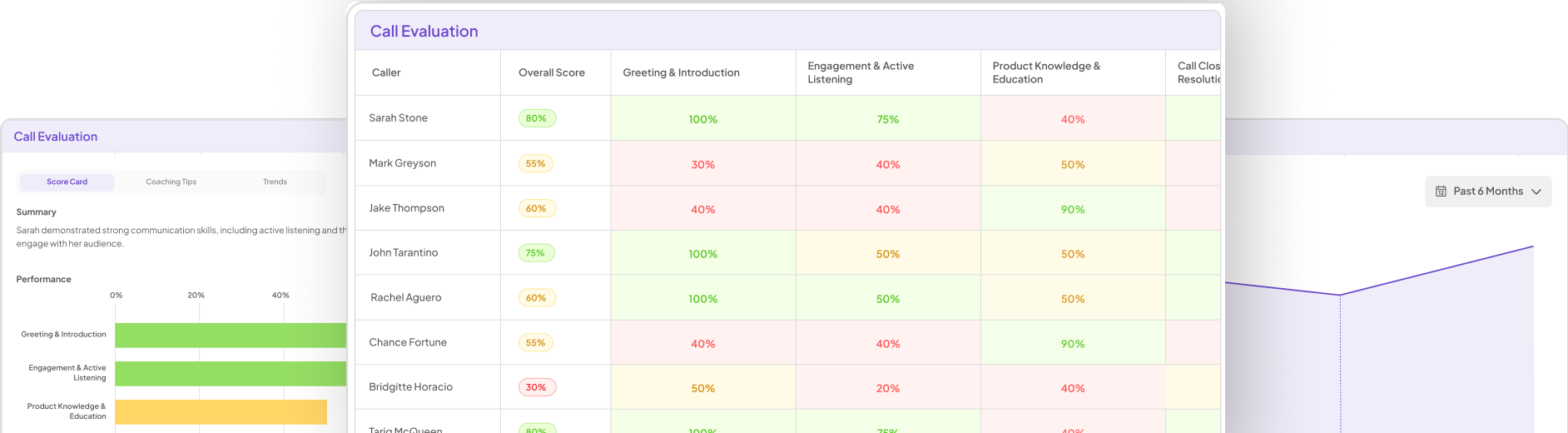
New hires often face the challenge of adapting to complex customer interactions and understanding the nuances of effective service delivery. AI-powered tools, such as Insight7, automatically evaluate customer calls, scoring interactions based on custom quality criteria that include sentiment, empathy, and resolution effectiveness. This automation allows new employees to receive consistent and unbiased feedback, which is crucial for their development. By analyzing 100% of customer calls, new hires can learn from real-life examples, identifying both successful strategies and areas for improvement.
Furthermore, AI tools provide actionable coaching insights derived from actual conversations. For instance, Insight7 generates personalized coaching recommendations based on performance metrics, helping new hires to track their progress over time. This targeted approach not only addresses skill gaps but also empowers new employees to take ownership of their development. As they engage with these AI-driven analytics, they become more adept at recognizing patterns in customer behavior, leading to improved service quality and increased revenue opportunities.
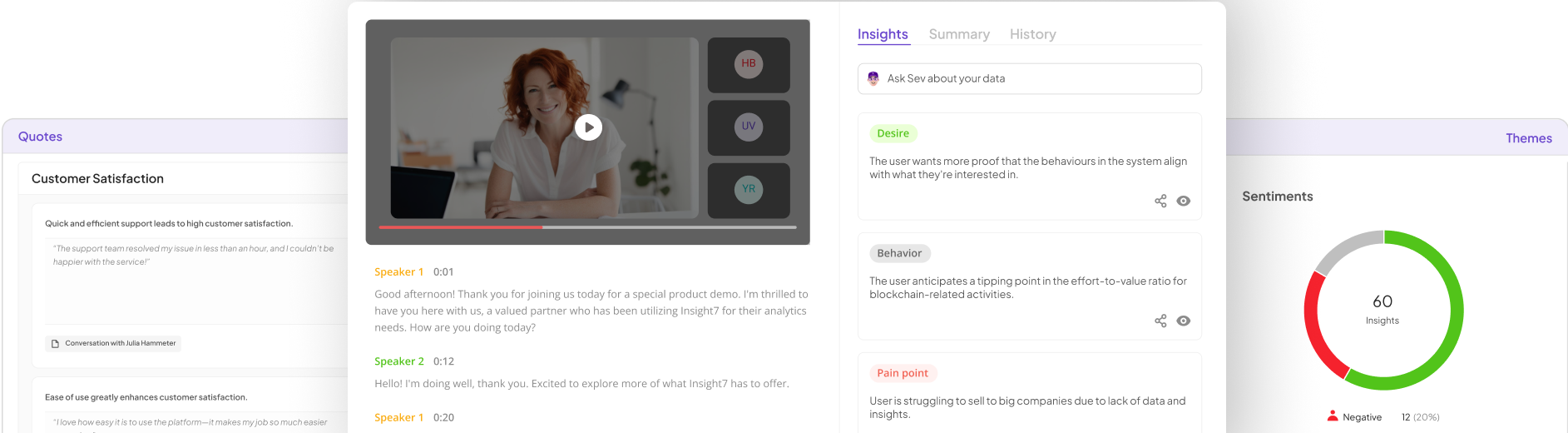
The ability to detect sentiment and recurring customer pain points in real time is another significant advantage of AI integration. New hires can quickly learn to identify drivers of satisfaction and escalation, allowing them to tailor their interactions accordingly. By understanding customer emotions and needs, they can enhance their communication strategies, ultimately leading to better customer experiences.
Moreover, the multilingual support offered by AI tools ensures that new hires can effectively engage with diverse customer bases. This capability is particularly beneficial for organizations operating in global markets, as it allows new employees to communicate effectively across language barriers. As they become proficient in recognizing patterns in customer interactions, they are better equipped to handle various scenarios, leading to a more effective and responsive customer service team.
In summary, AI practices accelerate pattern recognition in new hires by automating call evaluations, providing real-time feedback, and generating personalized coaching insights. This approach not only enhances the learning curve for new employees but also fosters a culture of continuous improvement within the organization. By embracing AI-powered tools, companies can empower their teams to reach their full potential, ultimately driving revenue growth and improving service quality.
Comparison Table
AI practices significantly enhance pattern recognition in new hires by automating evaluations and providing real-time insights. By utilizing AI-powered tools like Insight7, organizations streamline onboarding, enabling new employees to quickly identify trends and insights from customer interactions. This technology not only automates call evaluations but also delivers consistent feedback, allowing new hires to learn from real-life examples and improve their performance. As they engage with AI-driven analytics, they develop a deeper understanding of customer needs and effective communication strategies, ultimately leading to improved service quality and increased revenue opportunities.
AI tools automatically evaluate customer calls, scoring interactions based on custom quality criteria, including sentiment and resolution effectiveness. This consistent feedback is crucial for new hires as they adapt to complex customer interactions. Additionally, AI-generated coaching insights help track performance and identify skill gaps, empowering new employees to take ownership of their development. The ability to detect sentiment and recurring customer pain points in real time equips new hires to tailor their interactions, enhancing customer experiences.
Moreover, multilingual support ensures effective communication across diverse customer bases, particularly in global markets. As new hires become proficient in recognizing patterns in customer interactions, they contribute to a more responsive customer service team. In summary, AI practices accelerate pattern recognition in new hires by automating evaluations, providing real-time feedback, and generating personalized coaching insights, fostering a culture of continuous improvement and driving revenue growth.
Selection Criteria
AI practices significantly enhance pattern recognition in new hires by automating evaluations and providing real-time insights. By utilizing AI-powered tools like Insight7, organizations streamline onboarding, enabling new employees to quickly identify trends and insights from customer interactions. This technology not only automates call evaluations but also delivers consistent feedback, allowing new hires to learn from real-life examples and improve their performance. As they engage with AI-driven analytics, they develop a deeper understanding of customer needs and effective communication strategies, ultimately leading to improved service quality and increased revenue opportunities.
AI tools automatically evaluate customer calls, scoring interactions based on custom quality criteria, including sentiment and resolution effectiveness. This consistent feedback is crucial for new hires as they adapt to complex customer interactions. Additionally, AI-generated coaching insights help track performance and identify skill gaps, empowering new employees to take ownership of their development. The ability to detect sentiment and recurring customer pain points in real time equips new hires to tailor their interactions, enhancing customer experiences.
Moreover, multilingual support ensures effective communication across diverse customer bases, particularly in global markets. As new hires become proficient in recognizing patterns in customer interactions, they contribute to a more responsive customer service team. In summary, AI practices accelerate pattern recognition in new hires by automating evaluations, providing real-time feedback, and generating personalized coaching insights, fostering a culture of continuous improvement and driving revenue growth.
Implementation Guide
AI practices significantly accelerate pattern recognition in new hires by automating evaluations and delivering real-time insights. By leveraging AI-powered tools like Insight7, organizations streamline the onboarding process, allowing new employees to quickly identify trends and insights from customer interactions. This technology automates call evaluations, providing consistent feedback that enables new hires to learn from real-life examples and enhance their performance.
As new hires engage with AI-driven analytics, they develop a deeper understanding of customer needs and effective communication strategies. AI tools automatically evaluate customer calls, scoring interactions based on custom quality criteria, including sentiment and resolution effectiveness. This consistent feedback is crucial as new hires adapt to complex customer interactions, while AI-generated coaching insights help track performance and identify skill gaps.
Furthermore, the ability to detect sentiment and recurring customer pain points in real time equips new hires to tailor their interactions, ultimately enhancing customer experiences. With multilingual support, effective communication across diverse customer bases is ensured, particularly in global markets. In summary, AI practices foster a culture of continuous improvement, driving revenue growth by enhancing pattern recognition in new hires through automated evaluations, real-time feedback, and personalized coaching insights.
Frequently Asked Questions
Q: How does AI practice accelerate pattern recognition in new hires?
A: AI practice accelerates pattern recognition in new hires by automating evaluations and providing real-time insights, enabling them to quickly identify trends and improve their performance through consistent feedback.
Q: What role does automated call evaluation play in training new hires?
A: Automated call evaluation scores interactions based on custom quality criteria, allowing new hires to learn from real-life examples and adapt to complex customer interactions effectively.
Q: How does AI-generated coaching benefit new employees?
A: AI-generated coaching provides personalized insights that help new employees track their performance, identify skill gaps, and take ownership of their development.
Q: Can AI tools help new hires understand customer sentiment?
A: Yes, AI tools can detect sentiment and recurring customer pain points in real time, equipping new hires to tailor their interactions and enhance customer experiences.
Q: Is multilingual support important for new hires in global markets?
A: Absolutely, multilingual support ensures effective communication across diverse customer bases, which is crucial for new hires working in global markets.