

How AI Improves Call Recording Review for the UK Rail Industry
-
 Bella Williams
 - 10 min read

In the UK rail industry, safety-critical communications are paramount. With the impending compliance requirements set forth by Network Rail’s NR/L3/OPS/301 framework, which mandates that all safety-critical calls be recorded and retrievable, the pressure on rail operators to enhance their call recording review processes has never been greater. The stakes are high: failure to comply can lead to safety incidents, legal repercussions, and significant operational disruptions. Fortunately, artificial intelligence (AI) offers transformative solutions that can streamline and enhance the review of call recordings, ensuring compliance and improving overall communication effectiveness.
The Safety Critical Communications Challenge
The manual review of call recordings in the rail industry presents significant challenges. Traditionally, supervisors manually review a small sample of calls, often resulting in less than 5% coverage of all communications. This retrospective approach means that compliance issues are identified weeks or even months after they occur, leaving organizations vulnerable to safety incidents and audit failures. Additionally, with the increasing number of contractors and subcontractors operating in the field, visibility into compliance across all personnel becomes a daunting task.
The scalability crisis is evident when considering the volume of calls made daily. For example, with 500 workers each making 50 calls a day, that totals 25,000 calls needing review. Relying on manual processes means that over 98% of communications go unchecked, creating a compliance blind spot. The regulatory pressure from Network Rail compounds these issues, as organizations must ensure that all safety-critical communications are documented and retrievable by the compliance deadline in March 2026.
How AI Call Recording Analysis Works
AI technology can fundamentally change how call recordings are reviewed and analyzed. Here’s a breakdown of the AI pipeline that enhances the call recording review process:
Step 1: Call Recording Capture
AI systems can capture voice recordings from various sources, including mobile devices, VoIP systems, and control rooms, ensuring comprehensive coverage across all communication channels.
Step 2: Speech-to-Text Transcription
Using advanced speech recognition, AI can transcribe calls with over 95% accuracy. This includes recognizing rail-specific terminology, identifying multiple speakers, and aligning timestamps for easy reference.
Step 3: Protocol Analysis
AI analyzes the transcriptions against established safety-critical communication protocols. It can detect errors, such as the improper use of the phonetic alphabet, lack of repeat-backs, and ambiguous language, flagging these for further review.
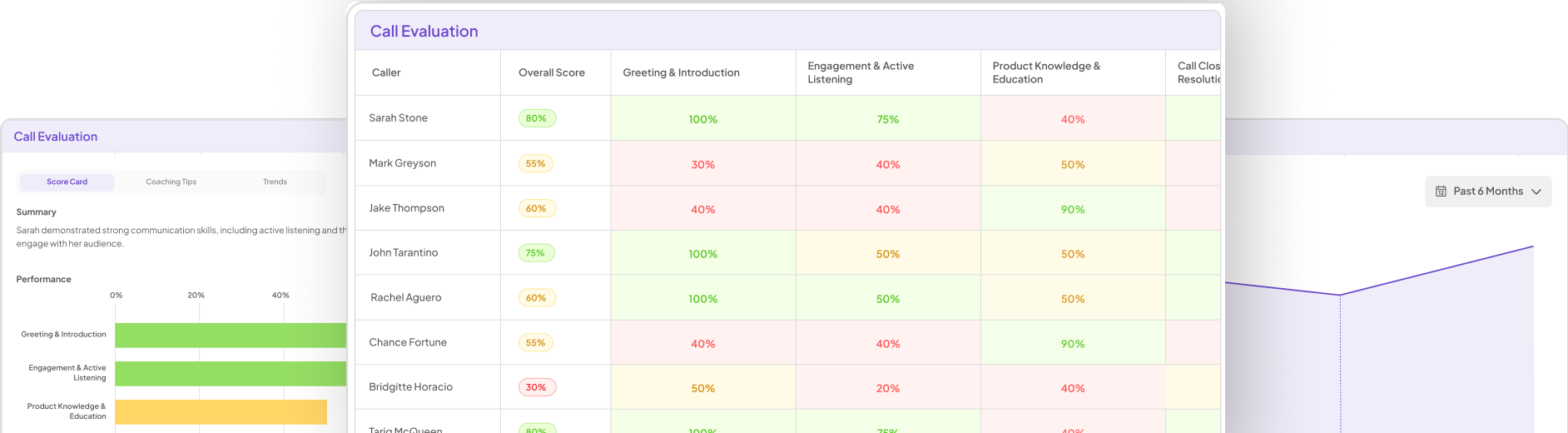
Step 4: Scoring & Flagging
The system assigns an overall compliance score and categorizes specific protocol elements, allowing organizations to identify trends and areas needing improvement. This scoring can highlight potential training needs and risk classifications.
Step 5: Insights & Reporting
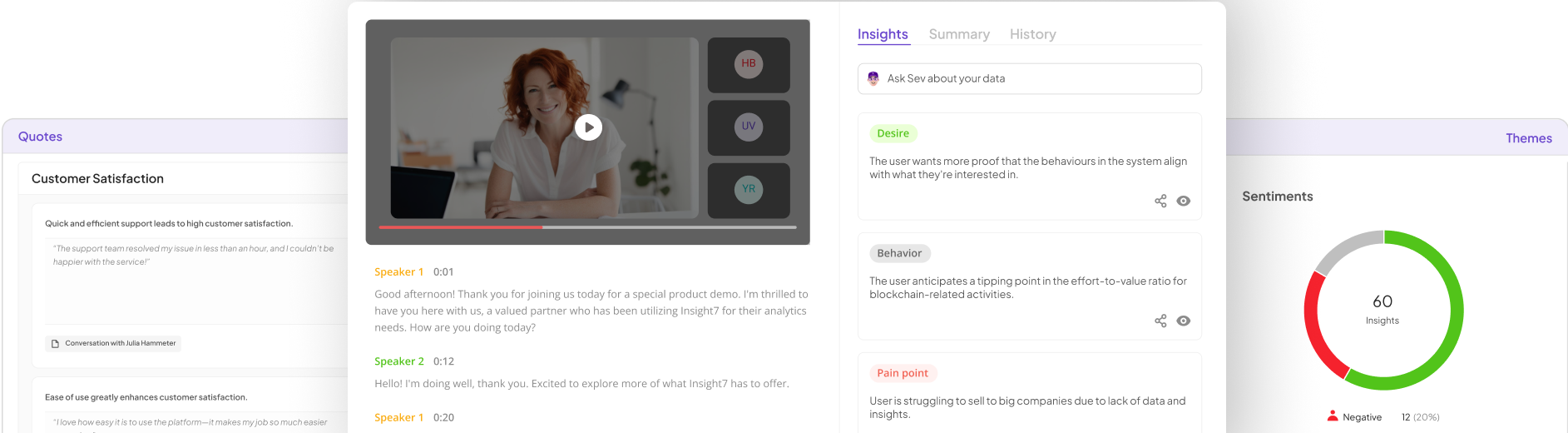
AI generates dashboards that provide insights into worker performance, team comparisons, and protocol adherence trends. This data-driven approach enables organizations to make informed decisions about training and compliance interventions.
By leveraging AI, rail operators can transition from a reactive to a proactive compliance strategy, ensuring that all communications are monitored and assessed in real time.
Implementation & Integration
Integrating AI into existing call recording systems requires careful planning and execution. Here’s how organizations can effectively implement AI-driven call recording analysis:
Preparation:
- Assess current communication systems and identify which calls need to be recorded (internal, contractors, control rooms).
- Define compliance goals and success metrics, such as protocol adherence rates and audit readiness.
Execution:
- Choose an AI solution, such as Insight7, which offers seamless integration with existing systems and supports multiple devices, including BYOD.
- Configure the system to capture calls from all necessary sources, ensuring compliance with Network Rail’s standards.
Evaluation:
- Monitor the effectiveness of the AI system through regular audits of compliance scores and training needs.
- Gather feedback from users to identify any challenges or areas for improvement.
Iteration & Improvement:
- Continuously refine the AI algorithms based on performance data and user feedback to enhance accuracy and effectiveness.
- Update training programs based on insights gained from AI analysis, ensuring that all personnel are equipped with the necessary skills to adhere to protocols.
By following this structured approach, rail organizations can effectively harness the power of AI to improve their call recording review processes, ensuring compliance and enhancing safety.
Business Impact & Use Cases
The implementation of AI in call recording review processes offers numerous benefits that can significantly impact the UK rail industry:
Protocol Failure Detection:
AI can quickly identify critical failures, such as missing phonetic alphabet usage or lack of repeat-backs on safety-critical instructions. Traditional methods may take weeks to uncover these issues, while AI can provide insights within hours.
Workforce Monitoring at Scale:
With AI, organizations can achieve 100% coverage of recorded calls, ensuring that every worker’s communications are monitored continuously. This visibility allows for location-specific performance tracking and identification of training needs.
Training & Coaching:
AI-driven insights enable targeted training interventions. For example, if a specific worker consistently fails to use the phonetic alphabet, they can receive personalized coaching. This shift from generic training to data-driven coaching enhances workforce competence.
Incident Investigation:
In the event of an incident, AI allows for instant retrieval of relevant calls, drastically reducing the time needed for investigations. With pre-transcribed conversations and detailed analysis, organizations can compile evidence quickly and efficiently.
By leveraging AI technologies, rail operators can not only meet compliance requirements but also enhance overall communication quality, leading to improved safety outcomes and operational efficiency.
Conclusion
As the UK rail industry prepares for stricter compliance requirements, the integration of AI into call recording review processes presents a powerful solution. By automating transcription, analysis, and reporting, AI enables organizations to enhance compliance, improve communication effectiveness, and ultimately ensure the safety of their operations. Embracing these technologies is essential for rail operators looking to thrive in an increasingly regulated environment.








