
How AI identifies when call center agent skills are declining due to stress
-
 Bella Williams
 - 10 min read

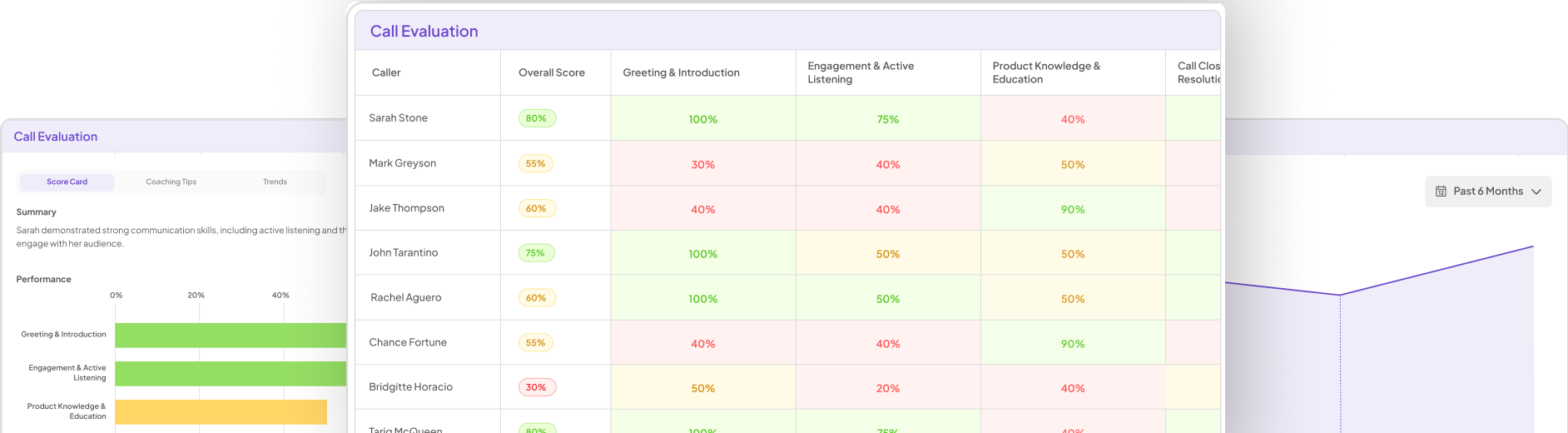
AI technology is revolutionizing how we monitor and enhance call center agent performance, particularly in identifying when skills decline due to stress. By leveraging advanced analytics, AI can evaluate every customer interaction, scoring calls based on criteria such as tone, empathy, and resolution effectiveness. This automated evaluation helps detect shifts in agent sentiment and performance trends, allowing managers to pinpoint when stress levels may be impacting skills. With real-time feedback, AI-driven insights can guide targeted coaching interventions, ensuring agents receive the support they need to maintain high service quality and emotional resilience. This proactive approach not only enhances individual performance but also fosters a healthier work environment, ultimately benefiting both agents and customers alike.
As we delve deeper into this topic, we will explore the specific capabilities of AI in monitoring agent performance, the indicators of stress-related skill decline, and effective strategies for intervention and support. Understanding these elements is crucial for optimizing call center operations and improving overall customer experience.
Identifying Declining Agent Skills: The Role of AI
Identifying when call center agent skills are declining due to stress is a critical challenge for organizations aiming to maintain high service quality and employee well-being. AI plays a pivotal role in this process by leveraging advanced analytics to monitor agent performance in real-time. Through automated evaluations of customer interactions, AI can detect subtle shifts in tone, sentiment, and overall engagement, which may indicate rising stress levels and declining skills. By scoring calls against custom quality criteria, AI provides actionable insights that help managers identify when agents may need additional support or targeted coaching.
AI-powered call analytics platforms, like Insight7, utilize natural language processing to assess various aspects of agent interactions, including empathy and resolution effectiveness. This analysis not only highlights areas where agents excel but also uncovers potential skill gaps that may arise during stressful periods. For instance, if an agent's tone becomes increasingly strained or their responses lack the usual empathy, these changes can signal that stress is affecting their performance. By continuously monitoring these indicators, organizations can proactively intervene before performance issues escalate.
Moreover, AI's ability to deliver consistent and unbiased quality assurance insights ensures that all agents are evaluated fairly, regardless of their experience level. This transparency fosters a supportive environment where agents feel valued and understood. With real-time feedback, managers can implement tailored coaching strategies that address specific challenges faced by agents, helping them to regain their confidence and effectiveness in customer interactions.
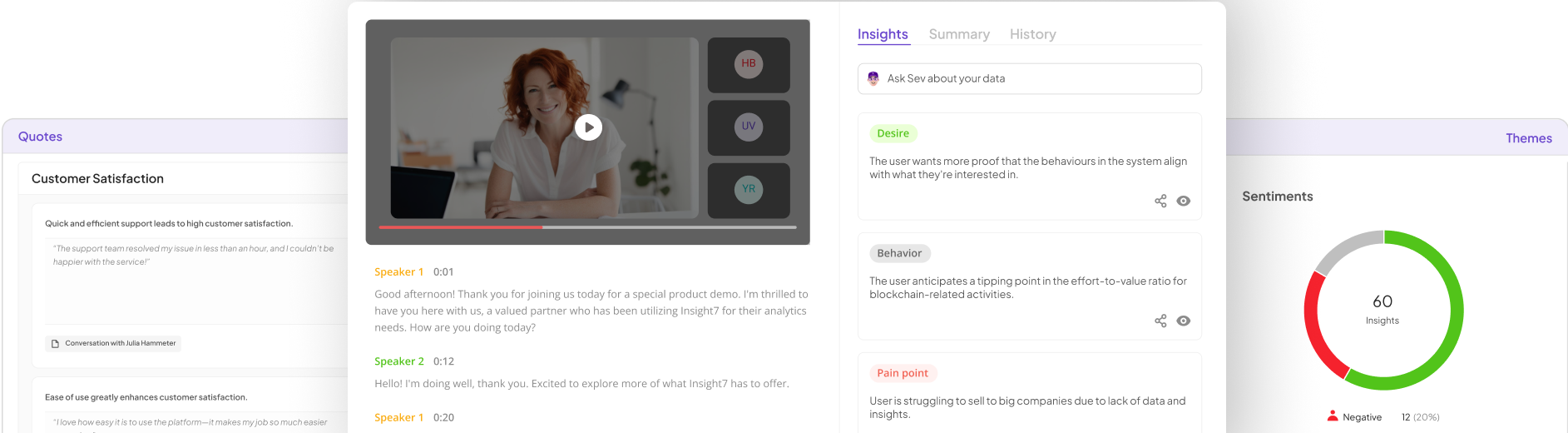
In addition to identifying stress-related skill declines, AI also aids in enhancing overall agent well-being. By uncovering recurring pain points and sentiment trends within customer interactions, organizations can refine their service processes to alleviate stressors that impact agent performance. For example, if AI detects a pattern of customer complaints related to a specific product or service, management can address these issues, ultimately reducing the pressure on agents who handle these calls.
Furthermore, the integration of AI in performance management allows for continuous tracking of agent improvement over time. This ongoing assessment not only helps in recognizing when agents are struggling but also celebrates their successes, reinforcing positive behavior and encouraging a culture of growth. By leveraging AI-driven insights, organizations can create a more resilient workforce equipped to handle the demands of customer service.
In conclusion, AI is a powerful ally in identifying when call center agent skills are declining due to stress. By automating call evaluations and providing real-time feedback, AI enables organizations to detect early warning signs of stress, implement targeted coaching interventions, and foster a supportive work environment. This proactive approach not only enhances individual performance but also contributes to overall customer satisfaction, making it essential for call centers to embrace AI technology in their operations.
Comparison Table
AI technology is transforming the way organizations identify when call center agent skills are declining due to stress. By leveraging advanced analytics, AI can automatically evaluate every customer interaction, scoring calls based on tone, empathy, and resolution effectiveness. This real-time assessment helps detect subtle shifts in agent performance that may indicate rising stress levels. With the ability to deliver consistent and unbiased quality assurance insights, AI enables managers to pinpoint when agents need additional support or targeted coaching.
As we explore this topic further, we will discuss how AI-powered call analytics platforms, like Insight7, utilize natural language processing to assess agent interactions, uncover skill gaps, and provide actionable insights for intervention. Understanding these capabilities is crucial for optimizing call center operations and enhancing overall customer experience.
Selection Criteria
Identifying when call center agent skills are declining due to stress is essential for maintaining high service quality and employee well-being. AI plays a crucial role in this process by utilizing advanced analytics to monitor agent performance in real-time. By automatically evaluating customer interactions, AI can detect subtle shifts in tone, sentiment, and engagement that may indicate rising stress levels. This continuous assessment allows managers to identify when agents may require additional support or targeted coaching, ultimately fostering a more resilient workforce.
AI-powered call analytics platforms, such as Insight7, leverage natural language processing to analyze various aspects of agent interactions, including empathy and resolution effectiveness. This analysis not only highlights agents' strengths but also uncovers potential skill gaps that may emerge during stressful periods. For instance, if an agent's tone becomes strained or their responses lack empathy, these changes can signal that stress is affecting their performance. By continuously monitoring these indicators, organizations can proactively intervene before performance issues escalate.
Moreover, AI ensures consistent and unbiased quality assurance insights, allowing fair evaluations across all agents, regardless of experience level. This transparency fosters a supportive environment where agents feel valued. With real-time feedback, managers can implement tailored coaching strategies that address specific challenges, helping agents regain confidence and effectiveness in customer interactions.
In addition to identifying stress-related skill declines, AI enhances overall agent well-being by uncovering recurring pain points and sentiment trends within customer interactions. By addressing issues highlighted by AI, organizations can alleviate stressors that impact agent performance, ultimately improving the work environment.
In conclusion, AI is a powerful ally in recognizing when call center agent skills are declining due to stress. By automating call evaluations and providing real-time feedback, AI enables organizations to detect early warning signs, implement targeted coaching interventions, and foster a supportive work environment. This proactive approach not only enhances individual performance but also contributes to overall customer satisfaction, making it essential for call centers to embrace AI technology in their operations.
Implementation Guide
AI technology is revolutionizing how organizations identify when call center agent skills are declining due to stress. By utilizing advanced analytics, AI can automatically evaluate every customer interaction, scoring calls based on tone, empathy, and resolution effectiveness. This real-time assessment helps detect subtle shifts in agent performance that may indicate rising stress levels. With consistent and unbiased quality assurance insights, AI empowers managers to pinpoint when agents require additional support or targeted coaching.
AI-powered call analytics platforms, like Insight7, leverage natural language processing to analyze various aspects of agent interactions. This includes assessing empathy and resolution effectiveness, which can highlight agents' strengths and uncover potential skill gaps that may emerge during stressful periods. For instance, if an agent's tone becomes strained or their responses lack empathy, these changes can signal that stress is affecting their performance. By continuously monitoring these indicators, organizations can proactively intervene before performance issues escalate.
Moreover, AI enhances overall agent well-being by uncovering recurring pain points and sentiment trends within customer interactions. By addressing issues highlighted by AI, organizations can alleviate stressors that impact agent performance, ultimately improving the work environment. This proactive approach not only enhances individual performance but also contributes to overall customer satisfaction, making it essential for call centers to embrace AI technology in their operations.
Frequently Asked Questions
Frequently Asked Questions
Q: How does AI identify when call center agent skills are declining due to stress?
A: AI identifies declining skills by continuously evaluating customer interactions, analyzing factors like tone, sentiment, and empathy. By detecting subtle shifts in these areas, AI can signal when an agent may be experiencing stress and require additional support.
Q: What specific indicators does AI monitor to assess agent performance?
A: AI monitors various indicators, including call tone, emotional engagement, resolution effectiveness, and overall sentiment during customer interactions. These metrics help identify potential skill gaps that may arise under stress.
Q: How does real-time feedback from AI benefit call center agents?
A: Real-time feedback allows managers to provide tailored coaching and support, helping agents address specific challenges promptly. This proactive approach fosters a supportive environment and enhances overall performance.
Q: Can AI help improve agent well-being in addition to performance?
A: Yes, AI uncovers recurring customer pain points and sentiment trends, enabling organizations to address stressors impacting agent performance. This leads to an improved work environment and overall agent well-being.
Q: Is AI evaluation unbiased across all agents?
A: AI delivers consistent and unbiased quality assurance insights, ensuring fair evaluations regardless of an agent's experience level. This transparency helps create a supportive atmosphere where all agents feel valued.