
HIPAA compliance solutions that include AI roleplay practice
-
 Bella Williams
 - 10 min read

Navigating healthcare conversations is a complex endeavor. Healthcare contact center agents operate in a high-stakes environment where they must balance empathy with compliance, deliver difficult information while adhering to HIPAA standards, and navigate emotionally charged situations involving health, fear, and life-altering decisions. The unique complexity of these interactions necessitates a sophisticated approach to training that goes beyond traditional methods.
Healthcare contact center agents face situations unlike any other industry. Patients may call about denied coverage while facing medical emergencies, families demand information about loved ones when privacy laws prohibit disclosure, and there are billing disputes over treatments that failed. Each conversation carries emotional weight and regulatory risk, making it imperative for agents to be equipped with the right skills to handle these challenges effectively.
Traditional healthcare training typically emphasizes HIPAA compliance and medical terminology but often neglects the emotional intelligence necessary to deliver bad news, de-escalate frightened patients, and navigate the moral complexities of being the "face" of a healthcare system that sometimes fails people. This is where AI coaching can play a transformative role.
The Role of AI Coaching in HIPAA Compliance
AI Roleplay as a Training Solution:
AI coaching provides a safe space for agents to practice these challenging conversations. Through realistic simulations, agents can learn how to verify identity without sounding robotic, explain coverage denials with empathy, and navigate medical errors with honesty and compassion. AI-powered roleplay scenarios allow agents to engage in live conversations with AI personas that adapt in real-time, reflecting the emotional intensity of real patients. This practice is invaluable for developing the necessary skills to manage high-stakes conversations effectively.
Benefits of AI Coaching:
- Risk-Free Practice: Agents can make mistakes in a controlled environment without harming real patients.
- Immediate Feedback: AI provides personalized, data-driven feedback, allowing agents to refine their communication skills continuously.
- Scalable Training: Organizations can standardize training across teams, ensuring consistent skill development.
Practical Implementation of AI Roleplay for HIPAA Compliance
Preparation:
To implement AI roleplay effectively, organizations must define clear learning objectives and use cases. This includes identifying the specific scenarios agents will encounter, such as handling calls about denied claims or discussing sensitive patient information.
Execution:
- Scenario Selection: Choose prebuilt templates or create custom scenarios that reflect real-world situations agents face in their roles.
- Dynamic Roleplay: Engage agents in live, unscripted conversations with AI personas that mimic the emotional states of patients, allowing agents to practice responding appropriately.
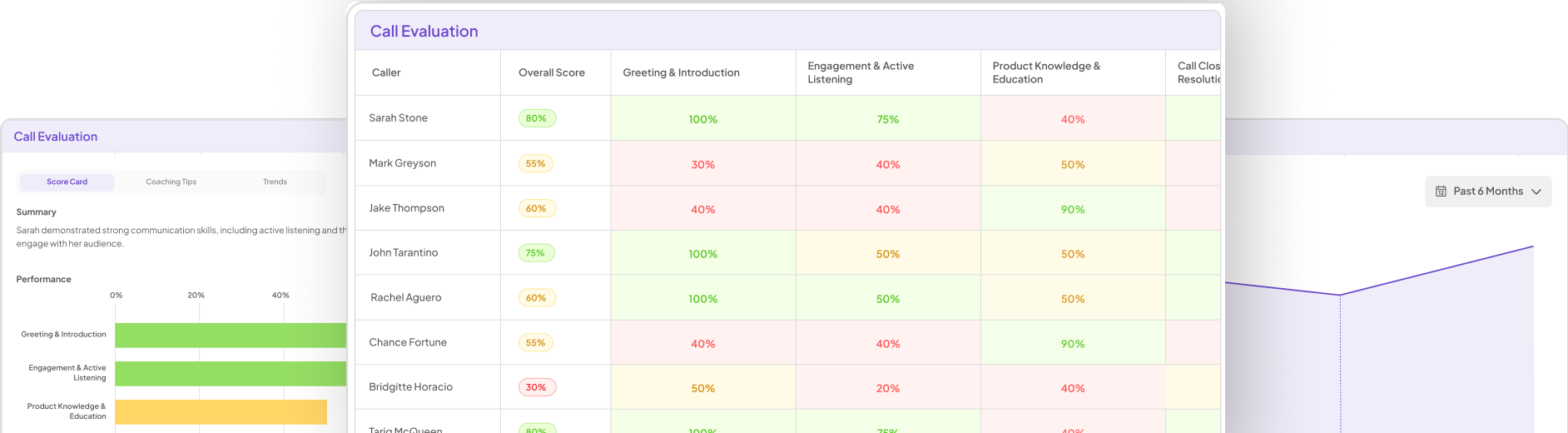
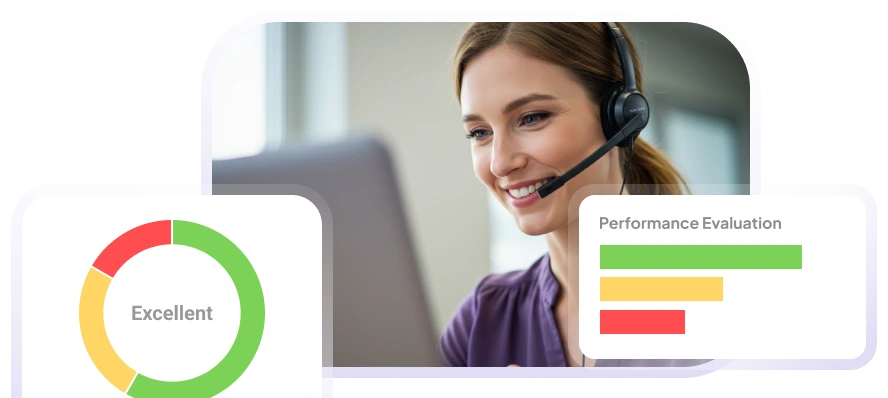
- Automated Evaluation: After each session, AI analyzes the conversation and provides feedback on key communication behaviors such as empathy, clarity, and active listening.
Evaluation:
Post-training, organizations should evaluate the effectiveness of the AI coaching by measuring improvements in agent performance, including reductions in HIPAA violations and increases in patient satisfaction scores.
Iteration & Improvement:
Continuous improvement is crucial. Organizations should regularly update scenarios based on emerging trends in healthcare and feedback from agents to ensure the training remains relevant and effective.
Scenario Examples for AI Roleplay in HIPAA Training
Scenario 1: Handling a Call About a Denied Claim
Setting: A patient calls to inquire about a denied claim for a recent procedure.
Participants:
- Agent (AI roleplay persona)
- Patient (AI-generated persona reflecting anxiety and frustration)
Process:
- Agent greets the patient and establishes a safe communication environment.
- Patient expresses frustration about the denial, asking why their claim was rejected.
- Agent practices empathy by acknowledging the patient's feelings and explaining the denial in clear, simple terms.
- Agent offers next steps, including how to appeal the decision or seek further assistance.
Outcome: The agent successfully navigates the conversation, providing the patient with clarity and reassurance while adhering to HIPAA compliance.
Scenario 2: Discussing a Medical Error
Setting: A family member calls to inquire about a medical error that occurred during treatment.
Participants:
- Agent (AI roleplay persona)
- Family member (AI-generated persona expressing concern and anger)
Process:
- Agent listens actively to the family member's concerns and validates their feelings.
- Agent avoids admitting fault but acknowledges the seriousness of the situation.
- Agent provides information on how the issue will be addressed and offers to connect the family with the appropriate resources.
Outcome: The agent demonstrates the ability to handle a sensitive situation with compassion while maintaining compliance with HIPAA regulations.
The Future of HIPAA Compliance Training with AI
As healthcare continues to evolve, the need for effective communication skills among contact center agents becomes increasingly vital. AI coaching and roleplay provide a robust solution to address the complexities of healthcare conversations. By investing in AI-powered training solutions, organizations can equip their agents with the skills necessary to navigate difficult conversations with empathy and compliance.
With the right tools and training, healthcare contact center agents can transform challenging interactions into opportunities for building trust and improving patient outcomes. The integration of AI roleplay into HIPAA compliance training not only enhances the agent's capabilities but ultimately leads to a more compassionate and effective healthcare experience for patients and their families.