
Follow-Up Call AI Training: Following Up After LinkedIn Message
-
 Bella Williams
 - 10 min read

Introduction to Follow-Up Call AI Training: Following Up After LinkedIn Message
In the fast-paced world of networking, following up after a LinkedIn message can be a pivotal moment in establishing valuable connections. However, many professionals struggle with how to effectively transition from a digital introduction to a meaningful conversation. This is where AI-powered follow-up call training comes into play, offering a transformative approach to honing communication skills.
By leveraging AI technology, individuals can engage in realistic roleplay scenarios that simulate the nuances of follow-up conversations. This training not only builds confidence but also provides actionable insights into effective communication strategies. As professionals practice these critical interactions, they gain the ability to navigate potential objections and foster deeper relationships, ultimately enhancing their networking success.
Scenario: Effective Follow-Up Strategies Using AI After LinkedIn Outreach
Scenario: Effective Follow-Up Strategies Using AI After LinkedIn Outreach
Setting:
The scenario unfolds in a virtual meeting room where a sales representative, Alex, is preparing to follow up with a potential client, Jamie, after an initial LinkedIn message. The context is a recent outreach where Alex introduced a new product that could benefit Jamie's business.
Participants / Components:
- Alex, the sales representative
- Jamie, the potential client
- AI-powered coaching platform for roleplay
Process / Flow / Response:
Step 1: Initial Preparation
Alex reviews the notes from the LinkedIn conversation, identifying key points of interest expressed by Jamie. Using the AI platform, Alex configures a roleplay session that simulates the follow-up call, focusing on Jamie's specific needs and potential objections.
Step 2: Dynamic Roleplay Engagement
During the roleplay, Alex engages with the AI persona representing Jamie. The AI adapts its responses based on Alex's questions and tone, challenging Alex to think critically and respond effectively to Jamie's concerns. This interaction mimics a real-life conversation, allowing Alex to practice active listening and empathy.
Step 3: Feedback and Reflection
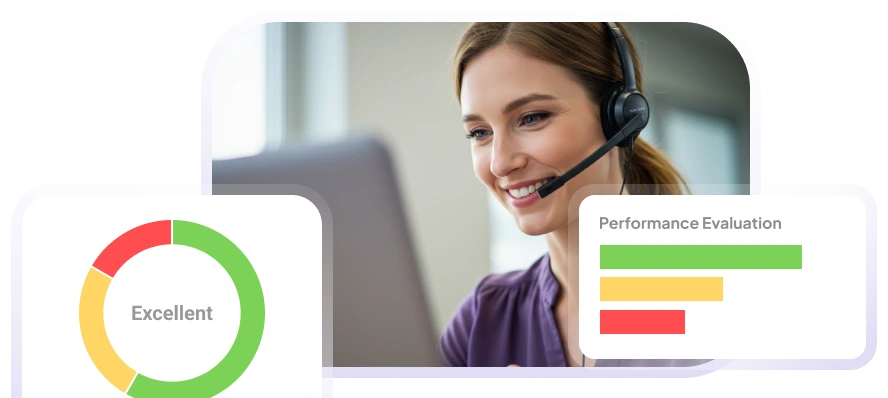
After the roleplay, the AI platform analyzes Alex's performance, providing feedback on communication skills such as clarity, confidence, and emotional intelligence. Alex receives specific recommendations for improvement, including strategies for addressing objections and reinforcing value propositions.
Outcome:
By the end of the training session, Alex feels more confident and prepared for the actual follow-up call with Jamie. The AI-powered coaching not only enhances Alex's communication skills but also equips him with tailored strategies to foster a productive conversation, ultimately increasing the likelihood of converting the lead into a client.
Frequently Asked Questions on AI Training for Follow-Up Calls
Q: What is AI-powered coaching for follow-up calls?
A: AI-powered coaching for follow-up calls uses artificial intelligence to simulate realistic conversations, allowing individuals to practice and improve their communication skills in a risk-free environment.
Q: How does AI coaching enhance follow-up call effectiveness?
A: AI coaching provides personalized feedback based on actual conversational behavior, helping users identify strengths and weaknesses, which leads to more effective follow-up calls.
Q: Can AI coaching replace human trainers?
A: No, AI coaching complements human trainers by providing scalable practice and objective feedback, allowing trainers to focus on more complex coaching tasks.
Q: How quickly can I expect to see improvements from AI coaching?
A: Users typically see measurable improvements within 2–4 weeks of consistent practice with AI coaching tools.
Q: Is AI coaching suitable for all levels of professionals?
A: Yes, AI coaching is beneficial for both new hires and experienced professionals, helping them refine their communication skills regardless of their current level.
Q: What types of scenarios can I practice with AI coaching?
A: AI coaching platforms offer a variety of scenarios, including objection handling, negotiation, and feedback delivery, tailored to specific roles and industries.