Follow-Up Call AI Training: Checking In After Demo Request
-
 Bella Williams
 - 10 min read

Introduction to Follow-Up Call AI Training: Checking In After Demo Request
In the fast-paced world of sales, following up after a demo request is crucial for converting interest into actionable outcomes. However, many organizations struggle with this step, often lacking the structured approach needed to engage potential clients effectively. This is where AI-powered follow-up call training comes into play, offering a transformative solution that enhances communication skills and boosts conversion rates.
AI-powered coaching and roleplay provide an innovative way to simulate realistic follow-up conversations, allowing sales teams to practice and refine their skills in a risk-free environment. By leveraging advanced technologies like natural language processing and behavioral analytics, these platforms enable users to engage in dynamic roleplays that adapt to their responses, ensuring that each training session is tailored to individual needs. This not only fosters confidence but also equips sales professionals with the tools to handle objections and navigate complex conversations, ultimately leading to improved customer interactions and higher success rates.
Scenario: Effective Follow-Up Strategies Using AI After Demo Requests
Scenario: Effective Follow-Up Strategies Using AI After Demo Requests
Setting:
A sales team is preparing to follow up with potential clients who have requested product demos. The environment is a bustling office where team members are eager to convert leads into sales but often struggle with effective communication during follow-ups.
Participants / Components:
- Sales Representative: Engages with potential clients to understand their needs and address concerns.
- AI Coaching Platform: Provides simulated roleplay scenarios to practice follow-up conversations.
- Potential Client: Represents the target audience, expressing interest but also concerns that need to be addressed.
Process / Flow / Response:
Step 1: Initial Engagement
The sales representative initiates the follow-up call by referencing the demo request and expressing appreciation for the client's interest. This sets a positive tone and opens the door for dialogue.
Step 2: Active Listening and Inquiry
Using AI-powered coaching, the representative practices active listening techniques. They ask open-ended questions to uncover the client's specific needs and concerns, such as, "What did you find most interesting about the demo?" This approach fosters a collaborative atmosphere.
Step 3: Addressing Objections with AI Support
The AI coaching platform simulates various client objections, allowing the representative to practice responses in real-time. For example, if a client expresses concerns about pricing, the representative can respond with tailored solutions that highlight value, using insights gained from previous interactions.
Outcome:
The expected result is a more confident sales representative who can effectively engage potential clients, address their concerns, and ultimately increase conversion rates. By leveraging AI for roleplay and coaching, the sales team enhances their communication skills, leading to improved customer interactions and higher success rates in closing deals.
Frequently Asked Questions about Follow-Up Call AI Training
Frequently Asked Questions about Follow-Up Call AI Training
Q: What is AI-powered coaching and roleplay?
A: AI-powered coaching and roleplay utilize artificial intelligence to simulate realistic conversations, allowing individuals to practice communication skills and receive personalized feedback in a risk-free environment.
Q: How does AI coaching improve follow-up calls after demo requests?
A: AI coaching enhances follow-up calls by providing dynamic roleplay scenarios that adapt to the learner's responses, enabling them to practice handling objections and improving their overall communication effectiveness.
Q: Can AI coaching replace human trainers?
A: No, AI coaching complements human trainers by offering scalable practice opportunities and objective feedback, allowing trainers to focus on more complex coaching tasks while the AI handles repetitive practice.
Q: How quickly can I expect to see results from AI coaching?
A: Organizations typically see measurable improvements in communication skills within 2–4 weeks of implementing AI coaching, with onboarding timelines potentially reduced by 30–50%.
Q: Is AI coaching suitable for all levels of employees?
A: Yes, AI coaching is beneficial for both new hires and experienced professionals, providing tailored training that meets the needs of various skill levels.
Q: How is performance measured in AI coaching?
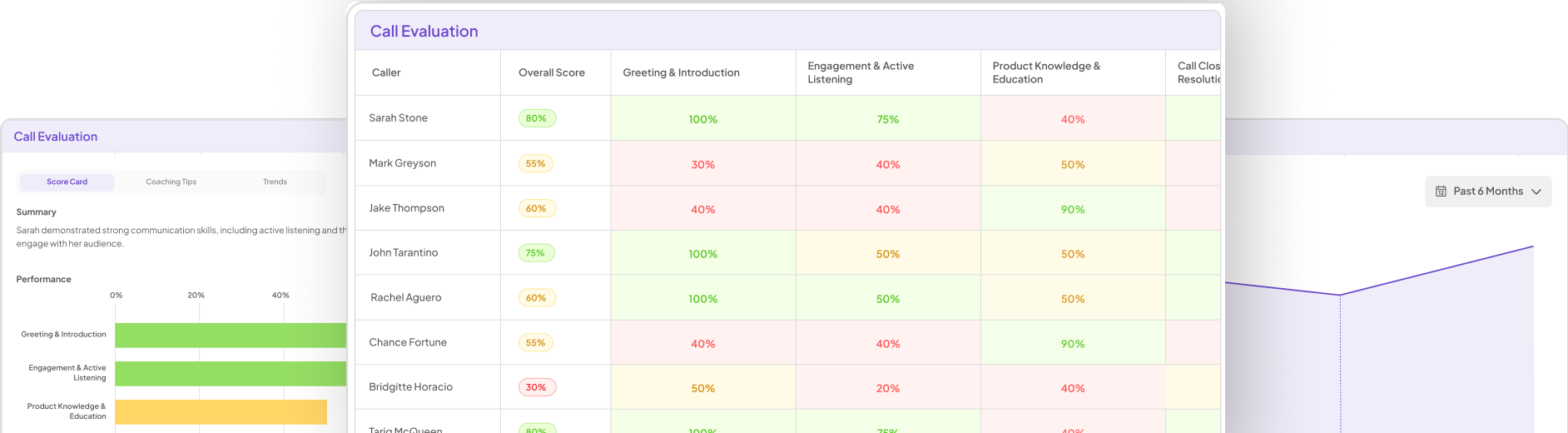
A: Performance is evaluated using automated assessments that analyze communication behaviors such as clarity, empathy, and active listening, providing objective scores and targeted recommendations for improvement.