
Distributive Negotiation Tactics Practice Using AI
-
 Bella Williams
 - 10 min read

Distributive negotiation tactics, which focus on dividing a fixed resource, can significantly benefit from the integration of AI technologies. By leveraging AI, negotiators can analyze vast amounts of data to identify patterns, optimize strategies, and enhance decision-making processes. This article will explore how AI can facilitate practice in distributive negotiation tactics, offering insights into performance evaluation, sentiment detection, and personalized coaching. Through AI-powered simulations and analytics, negotiators can refine their skills in real-time, leading to improved outcomes in negotiations. As we delve deeper, we'll uncover practical applications, key features of AI tools, and the transformative impact of AI on negotiation training and performance management.
Distributive Negotiation Tactics Enhanced by AI
Distributive negotiation tactics, which revolve around dividing a fixed resource, can be significantly enhanced through the practice facilitated by AI technologies. By utilizing AI-powered tools, negotiators can engage in realistic simulations, receive immediate feedback, and refine their strategies based on data-driven insights. This section will explore how AI can be integrated into the practice of distributive negotiation tactics, focusing on performance evaluation, sentiment analysis, and personalized coaching. Through AI-driven simulations and analytics, negotiators can sharpen their skills in real-time, leading to more favorable outcomes in their negotiations.
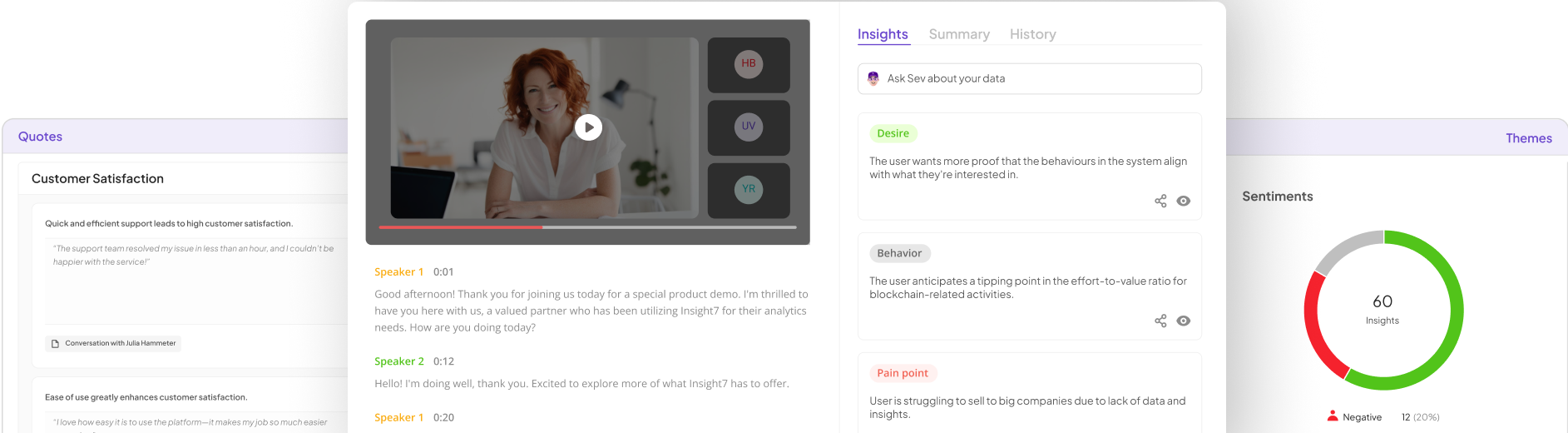
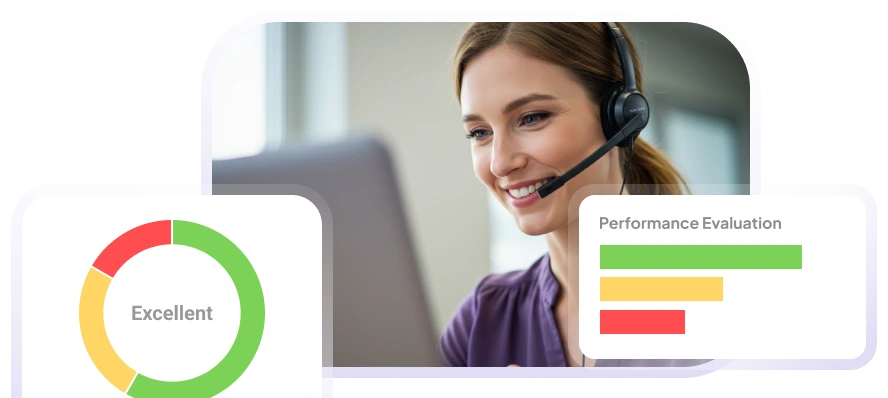
AI-powered platforms, such as Insight7, offer robust solutions for practicing distributive negotiation tactics. By automatically evaluating negotiation interactions, these tools provide insights into various performance metrics, including tone, empathy, and resolution effectiveness. This automated evaluation ensures that negotiators receive consistent and unbiased feedback, which is crucial for identifying areas of improvement. For instance, by analyzing recorded negotiation scenarios, AI can detect sentiment and emotional responses, allowing negotiators to adjust their approaches accordingly.
One of the core capabilities of AI in this context is the generation of actionable coaching insights. After each negotiation practice session, AI can track performance over time, helping negotiators recognize patterns in their behavior and identify skill gaps. This continuous monitoring allows for targeted coaching recommendations, enabling negotiators to focus on specific areas that require enhancement. For example, if a negotiator consistently struggles with handling objections, AI can suggest tailored exercises to improve this skill.
Moreover, AI tools can facilitate the identification of recurring negotiation pain points. By analyzing past negotiations, AI can uncover trends in customer sentiment and satisfaction levels, providing negotiators with valuable information to inform their strategies. Understanding these dynamics can lead to more effective negotiation tactics, as negotiators can anticipate objections and tailor their proposals to address the concerns of the other party.
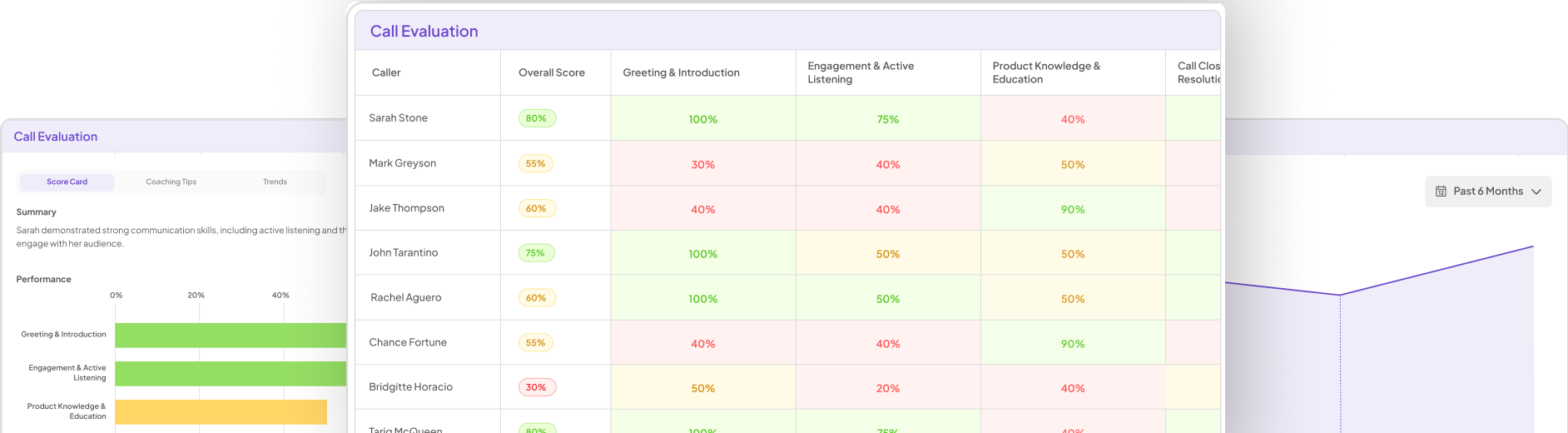
The practice of distributive negotiation tactics using AI also includes the use of performance dashboards. These dashboards visualize trends across negotiation sessions, allowing negotiators to benchmark their performance against established criteria. By having access to this data, negotiators can make informed decisions about their strategies and adjust their tactics in real-time. This level of insight not only enhances individual performance but also contributes to overall team effectiveness.
Furthermore, AI-powered coaching recommendations can deliver personalized feedback based on the unique context of each negotiation. This means that negotiators can practice in a safe environment where they can experiment with different approaches and receive immediate feedback on their performance. The ability to simulate various negotiation scenarios, including challenging situations, prepares negotiators for real-world interactions, increasing their confidence and competence.
In summary, the integration of AI into the practice of distributive negotiation tactics offers a transformative approach to negotiation training. By leveraging AI tools for performance evaluation, sentiment detection, and personalized coaching, negotiators can refine their skills and strategies effectively. This not only leads to improved negotiation outcomes but also fosters a culture of continuous learning and development within organizations. As AI technology continues to evolve, its role in enhancing negotiation practices will undoubtedly expand, providing negotiators with even more sophisticated tools to succeed in their endeavors.
Comparison Table
Comparison Table
When comparing distributive negotiation tactics practice using AI, Insight7 stands out with its comprehensive AI-powered call analytics platform tailored for customer-facing teams. Key features include automatic evaluation of negotiation interactions, scoring against custom quality criteria, and sentiment detection, which provide negotiators with unbiased feedback essential for improvement. In contrast to traditional methods, Insight7’s AI tools generate actionable coaching insights, enabling negotiators to track performance over time and identify skill gaps effectively. The platform also offers performance dashboards that visualize trends, allowing negotiators to benchmark their progress. Overall, Insight7’s integration of AI not only enhances the practice of distributive negotiation tactics but also fosters a culture of continuous learning and development, making it a vital resource for organizations aiming to improve negotiation outcomes.
Selection Criteria
Selection Criteria
When selecting an AI-powered platform for practicing distributive negotiation tactics, consider the following criteria:
Performance Evaluation: Look for tools that automatically evaluate negotiation interactions and provide unbiased feedback on key metrics such as tone, empathy, and resolution effectiveness. This ensures consistent assessment across all practice sessions.
Sentiment Analysis: Choose platforms that incorporate sentiment detection capabilities to help negotiators understand emotional responses during negotiations. This insight is crucial for adjusting strategies in real-time.
Actionable Coaching Insights: Opt for solutions that generate personalized coaching recommendations based on performance data. This allows negotiators to identify skill gaps and focus on targeted improvements.
Performance Dashboards: Ensure the platform offers visual dashboards that track and benchmark performance trends over time. This feature aids in making informed decisions about negotiation strategies.
User-Friendly Interface: The platform should provide an intuitive user experience, enabling negotiators to easily engage with simulations and receive immediate feedback.
By prioritizing these criteria, organizations can effectively enhance their negotiation training and outcomes through AI integration.
Implementation Guide
Implementation Guide
To effectively implement distributive negotiation tactics practice using AI, organizations should leverage Insight7's AI-powered call analytics platform. Start by integrating the platform into your existing training programs, ensuring that all customer-facing teams have access to its features. Utilize the AI call evaluation and QA automation capabilities to automatically assess negotiation interactions, focusing on key metrics such as tone and empathy.
Encourage team leaders to generate actionable coaching insights from real conversations, which can help identify skill gaps and inform targeted training recommendations. Regularly monitor performance through visual dashboards to track progress over time. Additionally, foster a culture of continuous learning by encouraging team members to engage with the platform's resources, ensuring that they can practice and refine their negotiation skills effectively.
Frequently Asked Questions
Q: What are distributive negotiation tactics?
A: Distributive negotiation tactics involve strategies aimed at dividing a fixed amount of resources, often resulting in a win-lose outcome. These tactics focus on maximizing one's own gain at the expense of the other party.
Q: How can AI enhance distributive negotiation practice?
A: AI can enhance distributive negotiation practice by providing real-time feedback on negotiation interactions, analyzing sentiment, and generating actionable coaching insights to improve performance.
Q: What features should I look for in an AI platform for negotiation practice?
A: Look for features such as automatic performance evaluation, sentiment analysis, personalized coaching recommendations, and user-friendly interfaces that facilitate engaging simulations.
Q: How does AI help in identifying negotiation skill gaps?
A: AI analyzes negotiation interactions to detect areas of improvement, providing insights that help negotiators focus on specific skills that need enhancement.
Q: Can AI track negotiation performance over time?
A: Yes, AI platforms typically offer performance dashboards that visualize trends and benchmarks, allowing negotiators to monitor their progress and make informed adjustments to their strategies.