




AI call center evaluation systems are transforming the way organizations assess their customer service representatives. Traditionally, evaluations relied heavily on subjective human judgment, leading to inconsistent feedback and potential bias. By integrating AI technology, companies can conduct thorough evaluations based on predetermined criteria, ensuring accuracy and fairness in performance assessments.
These systems analyze call data, focusing on critical areas such as greetings, product knowledge, and issue resolution. As a result, they provide actionable insights that can drive employee development. This shift not only enhances operational efficiency but also fosters a culture of continuous improvement among staff, ultimately leading to better customer interactions.
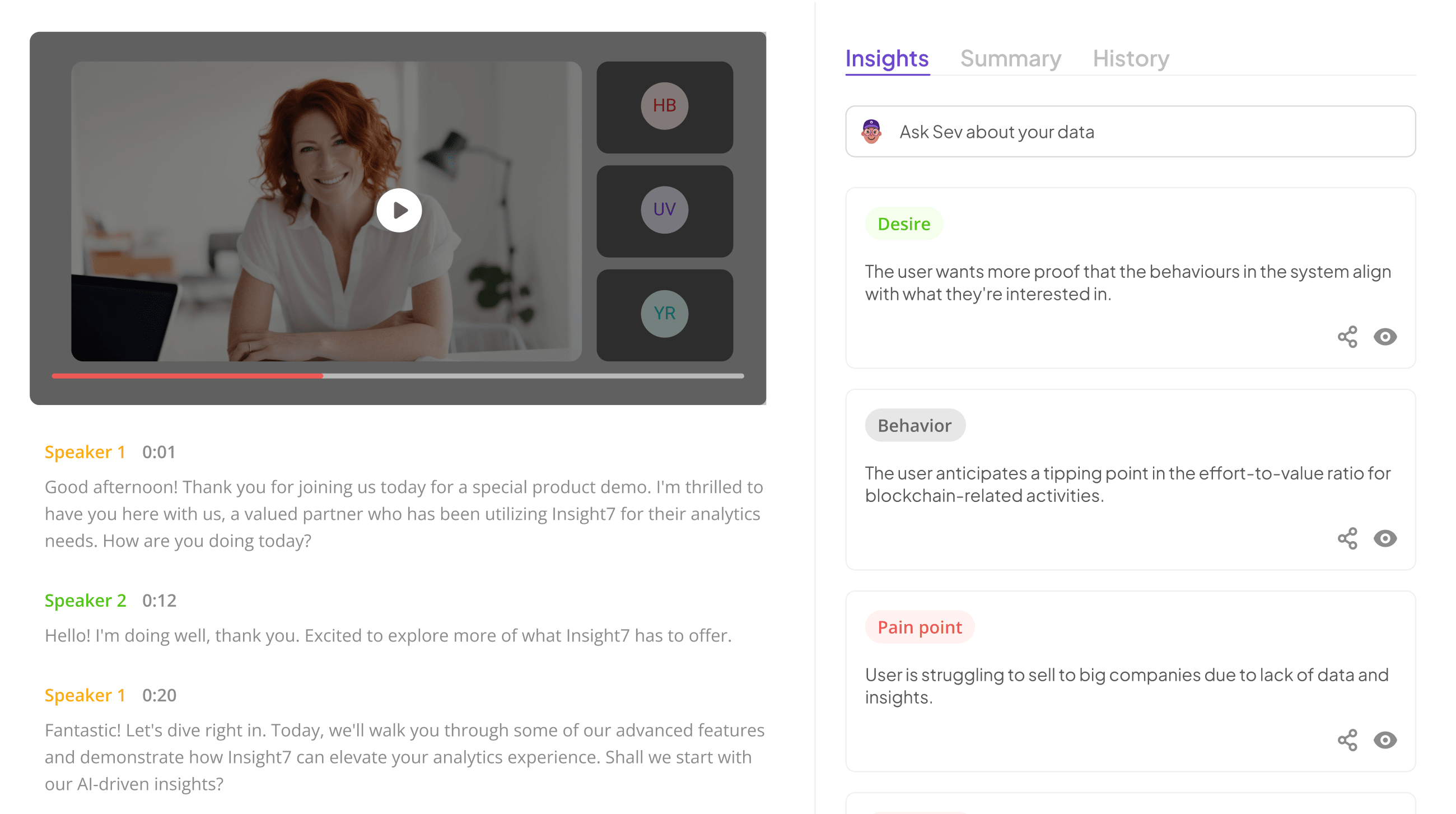
The Role of AI Call Center Evaluation in Modern Workforce Management
AI call center evaluation plays a pivotal role in modern workforce management by streamlining how employee performance is assessed. It significantly reduces the time taken to evaluate customer service representatives, providing accurate insights through automation. This shift from manual grading enables managers to focus more on strategic development rather than tedious assessment tasks. By integrating AI, businesses can efficiently analyze vast amounts of call data, uncovering patterns and performance metrics that highlight both strengths and areas for improvement.
Furthermore, the implementation of AI call center evaluation systems fosters employee engagement and development. When employees receive objective feedback based on data-driven insights, they are more likely to feel supported and motivated in their roles. This approach not only enhances individual performance but also aligns training programs with the actual needs of the workforce. Thus, AI call center evaluation serves as a powerful tool in creating a productive, responsive, and engaged team in today’s competitive landscape.
Enhancing Efficiency and Objectivity
Enhancing efficiency and objectivity in AI call center evaluation can dramatically transform employee performance assessments. By using advanced algorithms and data analysis, AI evaluates employee calls with precision, reducing human bias. It systematically measures key performance indicators, such as customer interaction quality and issue resolution rates, offering a clearer picture of overall effectiveness.
Moreover, objective evaluation fosters a culture of transparency and fairness. Employees receive insight into their performance backed by data, allowing for constructive feedback rather than subjective opinions. This method not only highlights areas for improvement but also acknowledges strengths, promoting continuous development. As a result, the workforce feels more engaged and motivated, knowing that their progress is assessed on quantifiable metrics. Embracing AI call center evaluation thus leads to a more efficient and equitable environment, boosting overall operational success.
Driving Employee Engagement and Development
Driving employee engagement and development is crucial for maximizing individual and organizational potential. AI call center evaluation plays a significant role in achieving this goal. By providing real-time insights into employee performance, organizations can tailor their training and development programs to meet specific needs. This proactive approach helps create a culture of continuous improvement, motivating employees to excel in their roles.
Furthermore, engaging employees requires open communication and feedback. AI-driven evaluation systems can analyze call interactions, highlighting areas for improvement and recognizing high performers. This not only fosters a sense of accomplishment but also empowers employees to take charge of their development. As employees see their contributions acknowledged, they become more engaged, leading to improved job satisfaction and retention. Consequently, investing in AI call center evaluation systems proves essential in cultivating an enthusiastic, skilled workforce ready to meet evolving customer demands.
Key Components of Effective AI Call Center Evaluation Systems
A well-structured AI call center evaluation system should encompass several critical components to optimize employee performance. First, defining clear performance metrics is essential. These metrics, such as greeting consistency, engagement levels, and problem resolution effectiveness, provide a solid foundation for assessment. They ensure evaluations are objective and comprehensive, allowing for accurate performance comparisons among employees.
Next, the system should focus on providing actionable feedback. This means offering insights that employees can utilize to improve their skills effectively. Instead of generic comments, feedback should be tailored to each individual, highlighting strengths and areas for improvement based on the identified metrics. This personalized approach fosters a culture of continuous improvement, encouraging employees to enhance their interactions with customers. By integrating these key components, organizations can create a robust AI call center evaluation system that drives both performance and employee engagement.
Performance Metrics and Analysis
Performance metrics and analysis are crucial for assessing the effectiveness of AI call center evaluations. By collecting both quantitative and qualitative data, organizations can gain comprehensive insights into employee performance. This involves monitoring key performance indicators such as call handling time, response accuracy, and customer satisfaction. Utilizing AI tools can enhance this process, allowing for more accurate measurements and analysis.
In addition to traditional metrics, qualitative feedback is vital for understanding the nuances of employee interactions. For example, conversational insights can reveal training needs and highlight areas for improvement. Regular analysis of these metrics ensures that training programs remain aligned with the evolving demands of the call center environment. Thus, performance metrics and analysis serve as fundamental components of effective AI call center evaluation systems, driving both individual development and overall operational excellence.
Providing Actionable Feedback
Providing actionable feedback is a cornerstone of effective employee evaluation systems in AI call centers. Feedback should be specific, timely, and constructive, allowing employees to understand their strengths and areas for improvement. When utilizing AI call center evaluation, insights drawn from customer interactions can inform employees about their performance better than traditional methods.
Be Specific: Instead of vague comments, focus on particular moments during a call that illustrate an employee's strengths or weaknesses. This creates clarity on what can be improved.
Timely Delivery: To be most effective, feedback should be provided soon after the evaluation period. This ensures employees can recall the context of their interactions, making the feedback more relevant.
Encourage a Growth Mindset: Present feedback as opportunities for professional development rather than just critiques. This fosters a more engaged and motivated workforce, leading to enhanced performance.
By focusing on these principles, AI call center evaluation can transform the feedback process, making it a more integral part of employee growth and success.
Conclusion: The Future of AI Call Center Evaluation Systems
As we look ahead, the future of AI call center evaluation systems promises to reshape the landscape of customer service significantly. These advanced systems are poised to enhance decision-making processes by providing real-time analysis of employee performance. With continued advancements in machine learning and natural language processing, companies will increasingly embrace AI call center evaluation to boost operational efficiency and employee engagement.
Furthermore, the integration of customizable feedback mechanisms will empower organizations to tailor evaluations to their specific needs. This adaptability ensures that employees receive constructive feedback relevant to their roles, ultimately fostering a growth-oriented culture. As AI technology evolves, we can expect these systems to deliver even deeper insights, refining how organizations assess and improve their call center operations.