
Demo AI Scenarios: Technical Demo to Non-Technical Audience
-
 Bella Williams
 - 10 min read

Introduction to Demonstrating AI Scenarios for Non-Technical Audiences
AI-powered coaching and roleplay is revolutionizing how organizations develop essential communication skills. As traditional training methods struggle to provide the scalability, repetition, and consistent feedback necessary for effective learning, AI coaching steps in as a dynamic solution. By leveraging advanced technologies such as conversational AI and natural language processing, these platforms create realistic simulations that adapt to individual learner responses, allowing for personalized practice and feedback.
This approach not only transforms soft skills training into measurable competencies but also addresses the common challenges organizations face in converting training investments into tangible performance improvements. With AI coaching, teams can engage in risk-free practice of difficult conversations, receive objective evaluations, and track their progress over time, ultimately fostering a culture of continuous learning and development.
Scenario: Engaging Non-Technical Stakeholders with AI Demonstrations
Scenario: Engaging Non-Technical Stakeholders with AI Demonstrations
Setting:
A corporate training room where a mixed audience of non-technical stakeholders, including sales managers, HR professionals, and team leads, gathers for a demonstration of an AI-powered coaching platform.
Participants / Components:
- AI Coach: The AI-powered platform simulating realistic conversations.
- Facilitator: A knowledgeable trainer guiding the demonstration.
- Audience: Non-technical stakeholders eager to understand AI's practical applications.
Process / Flow / Response:
Step 1: Introduction to AI Coaching
The facilitator begins by explaining the purpose of AI coaching and its relevance to improving communication skills. They highlight the challenges of traditional training methods, such as limited feedback and scalability, setting the stage for the AI demonstration.
Step 2: Interactive Roleplay Simulation
The facilitator invites a volunteer from the audience to engage in a live roleplay scenario with the AI Coach. The AI simulates a challenging customer interaction, allowing the participant to practice objection handling in a safe environment. The AI adapts its responses based on the participant's communication style, showcasing its dynamic capabilities.
Step 3: Real-Time Feedback and Insights
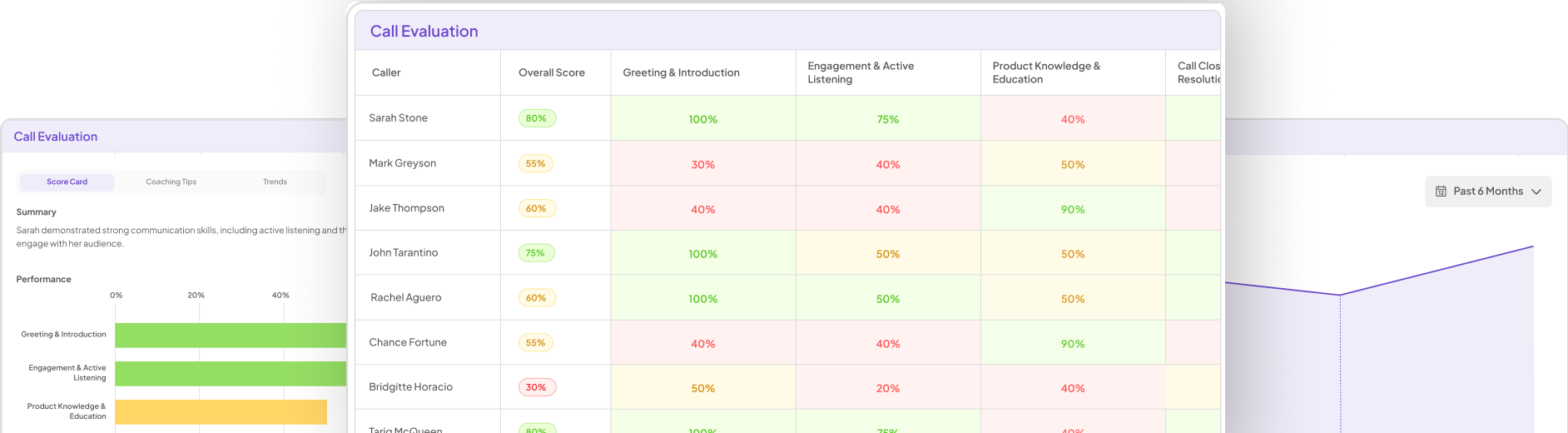
After the roleplay, the facilitator reviews the AI's analysis of the interaction. They highlight specific metrics, such as clarity and empathy, providing objective feedback that the audience can relate to. The facilitator emphasizes how this data-driven approach helps individuals identify strengths and areas for improvement, making the training process more effective.
Outcome:
The audience gains a clear understanding of how AI coaching can enhance their communication skills. They leave the session with insights into the platform's capabilities, feeling more confident in its potential to drive measurable improvements in their teams' performance.
Frequently Asked Questions about AI Demos for Non-Technical Audiences
Q: What is AI-powered coaching and roleplay?
A: AI-powered coaching and roleplay uses artificial intelligence to simulate realistic conversations, helping individuals practice communication skills and receive personalized feedback.
Q: How does AI coaching differ from traditional training methods?
A: Unlike traditional training, which often lacks scalability and consistent feedback, AI coaching provides dynamic, interactive simulations that adapt to learner responses, making practice more effective and measurable.
Q: Can AI coaching be used for various roles within an organization?
A: Yes, AI coaching is applicable across multiple roles, including sales, customer service, and leadership, allowing teams to practice specific scenarios relevant to their functions.
Q: What kind of feedback do learners receive from AI coaching?
A: Learners receive objective evaluations based on their conversational behaviors, such as clarity, empathy, and active listening, along with targeted recommendations for improvement.
Q: How quickly can organizations expect to see results from AI coaching?
A: Organizations typically see measurable improvements within 2–4 weeks of implementing AI coaching, with onboarding timelines potentially shrinking by 30–50%.
Q: Is AI coaching suitable for both new hires and experienced professionals?
A: Yes, AI coaching is beneficial for both new hires looking to build foundational skills and experienced professionals seeking to refine their communication techniques.