Contractor Call Recording for Rail: How to Ensure SCC Compliance
-
 Bella Williams
 - 10 min read

In the UK rail industry, ensuring safety-critical communications (SCC) compliance is paramount. With the introduction of the NR/L3/OPS/301 regulations set to take effect in March 2026, rail operators must implement robust call recording systems that encompass all personnel, including subcontractors using their own devices. This blog post explores the challenges of SCC compliance, the role of AI-powered solutions like Insight7, and practical steps to ensure adherence to these new regulations.
The Safety Critical Communications Challenge
The rail industry faces significant challenges in maintaining safety-critical communications due to the complexity of compliance requirements and the diverse workforce involved. The stakes are high: failure to comply can lead to safety incidents, regulatory penalties, and a compromised operational integrity.
Manual Review Limitations
Traditionally, supervisors have relied on manual reviews of a small sample of calls, often leading to a coverage gap of less than 5%. This retrospective approach means that compliance issues can go unnoticed for weeks or even months, resulting in a lack of visibility into contractor and subcontractor communications. The overwhelming burden of compliance documentation adds to the challenge, making it difficult to maintain audit readiness.
Scalability Issues
With an estimated 500 workers making 50 calls a day, rail companies could be facing up to 25,000 calls daily. Manual review processes can only cover a fraction of these communications, leaving over 98% of calls unmonitored. This lack of oversight, especially with distributed contractors, creates significant compliance risks.
Regulatory Pressures
The upcoming NR/L3/OPS/301 regulations mandate that all safety-critical communications be recorded and retrievable. This includes clear documentation of protocol adherence and oversight of contractors. The March 2026 compliance deadline is fast approaching, making it critical for rail operators to act now.
How AI Call Recording Analysis Works
AI-powered call recording solutions, such as Insight7, provide a comprehensive approach to SCC compliance by automating the monitoring and analysis of communications.
The AI Pipeline
Step 1: Call Recording Capture
AI systems capture voice recordings from various sources, including mobile devices, VoIP platforms, and control rooms. This ensures that all communications are documented regardless of the device used.
Step 2: Speech-to-Text Transcription
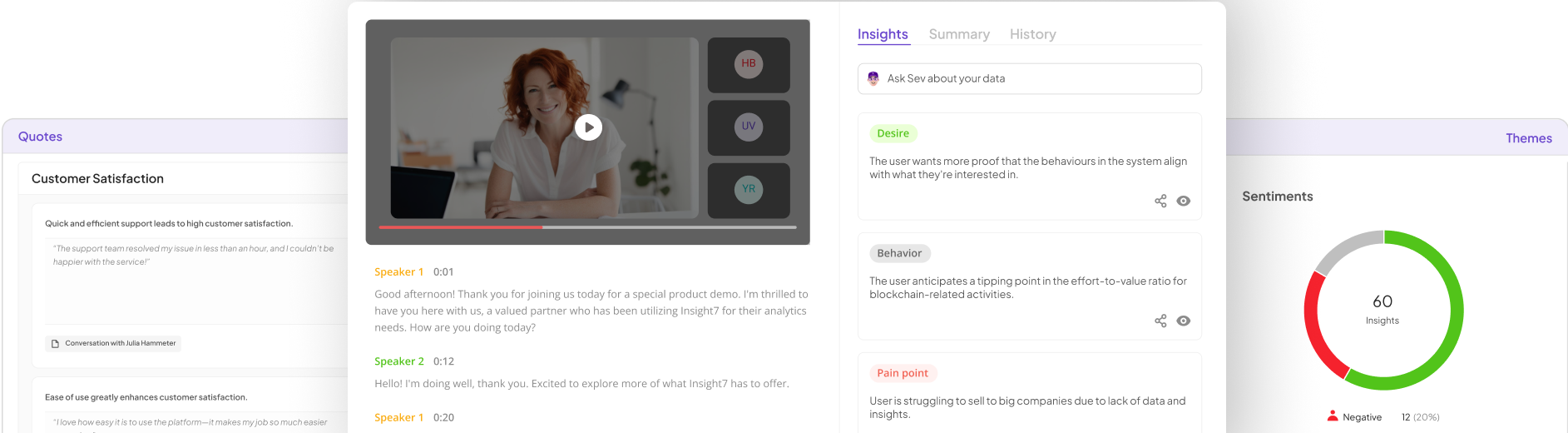
The AI transcribes calls with over 95% accuracy, recognizing rail-specific terminology and identifying multiple speakers. This transcription is timestamped for easy reference.
Step 3: Protocol Analysis
AI analyzes the transcripts against established safety-critical communication protocols. It detects compliance with phonetic alphabet usage, repeat-back requirements, and message structure adherence.
Step 4: Scoring & Flagging
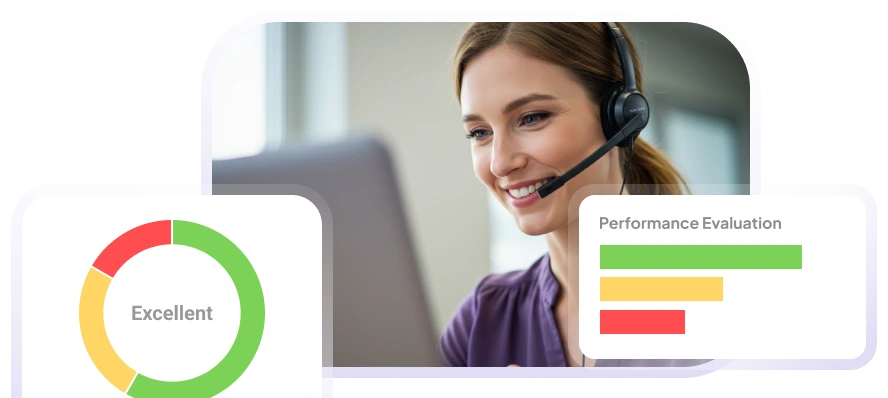
Each call is scored on compliance, with specific elements flagged for further training or intervention. This proactive approach allows for immediate identification of potential issues.
Step 5: Insights & Reporting
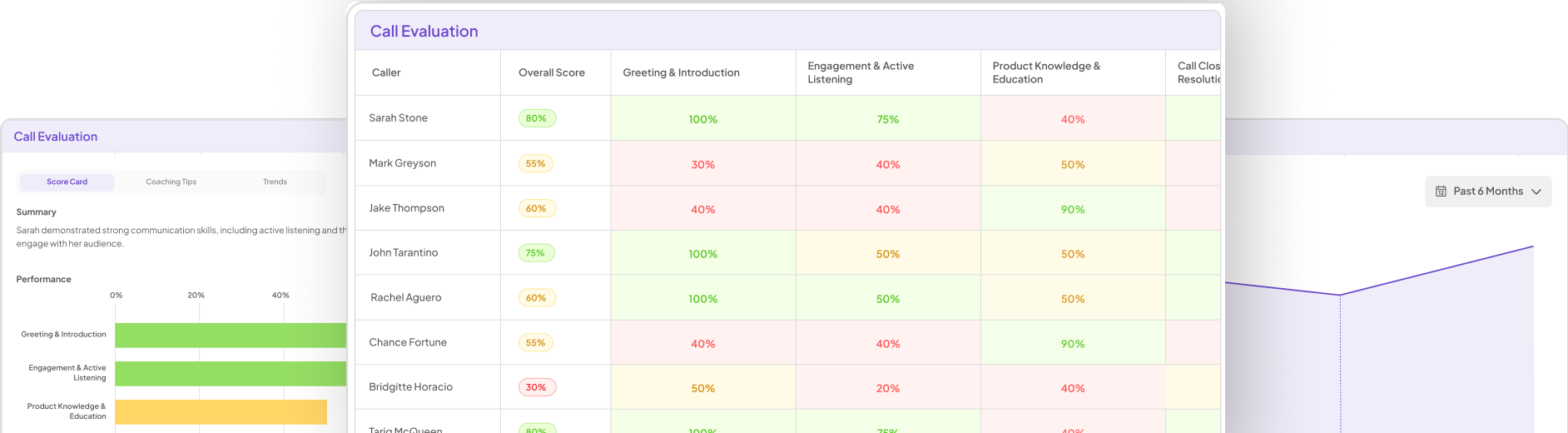
Insight7 provides dashboards that visualize worker performance, compliance statistics, and training needs. This data-driven approach enables organizations to make informed decisions about training and compliance strategies.
Implementation & Integration
Implementing an AI-powered call recording system requires careful planning and execution to ensure compliance with NR/L3/OPS/301 regulations.
Preparation
- Define Scope: Identify which communications need to be recorded, including internal and contractor calls.
- Current Systems Assessment: Evaluate existing communication systems and identify gaps in compliance.
- Compliance Goals: Set clear targets for protocol adherence and audit readiness.
Execution
- Vendor Selection: Choose a solution like Insight7 that meets technical and compliance requirements.
- Integration: Implement the call recording system across all devices, ensuring compatibility with BYOD policies.
- Training: Provide training for supervisors and staff on how to use the new system effectively.
Evaluation
- Monitoring: Regularly review compliance statistics and call recordings to ensure adherence to protocols.
- Feedback Loop: Establish a process for continuous feedback and improvement based on call analysis.
- Audit Readiness: Maintain documentation that is readily available for audits, including call logs and compliance reports.
Compliance & Regulatory Requirements
Understanding the specific compliance requirements outlined in NR/L3/OPS/301 is crucial for rail operators.
Key Requirements
- Recording Systems: All safety-critical communications must be recorded, including those made by subcontractors using personal devices.
- Retrievable Recordings: Voice recordings must be easily accessible for incident investigations and audits.
- Retention Policies: Establish clear retention periods for recordings to ensure compliance with regulatory standards.
What Auditors Need
- Evidence of Compliance: Auditors require systematic call recording evidence and documentation of protocol adherence.
- Training Records: Maintain records of training interventions and contractor oversight to demonstrate compliance.
- Incident Investigation Capability: Ensure that recordings can be retrieved quickly in the event of an incident.
By implementing AI-powered solutions like Insight7, rail operators can streamline their compliance processes, enhance oversight, and ensure that all safety-critical communications are recorded and retrievable, thus meeting the stringent requirements of the NR/L3/OPS/301 regulations. In doing so, they not only protect their operations but also enhance safety and accountability across the entire rail network.