
Conflict Resolution Skills Self-Assessment with AI Mediation Scenarios
-
 Bella Williams
 - 10 min read

Conflict resolution skills are essential in today's fast-paced work environment, and self-assessment through AI mediation scenarios can significantly enhance these skills. This approach allows individuals to engage in simulated conflict situations, providing a safe space to practice and refine their responses. By leveraging AI technology, users can receive personalized feedback on their conflict management techniques, helping them identify strengths and areas for improvement. This article will explore the benefits of using AI-driven mediation scenarios for self-assessment, the key skills to focus on, and how these tools can lead to more effective conflict resolution in professional settings. Understanding and developing these skills can ultimately foster better communication, collaboration, and productivity within teams.
Conflict Resolution Skills Self-Assessment Tools
Conflict resolution skills are crucial in today's workplace, and utilizing AI mediation scenarios for self-assessment can significantly enhance these skills. By engaging in simulated conflict situations, individuals can practice their responses in a safe environment, receiving personalized feedback that highlights their strengths and areas for improvement. This innovative approach not only fosters better communication and collaboration but also equips professionals with the tools they need to navigate conflicts effectively.
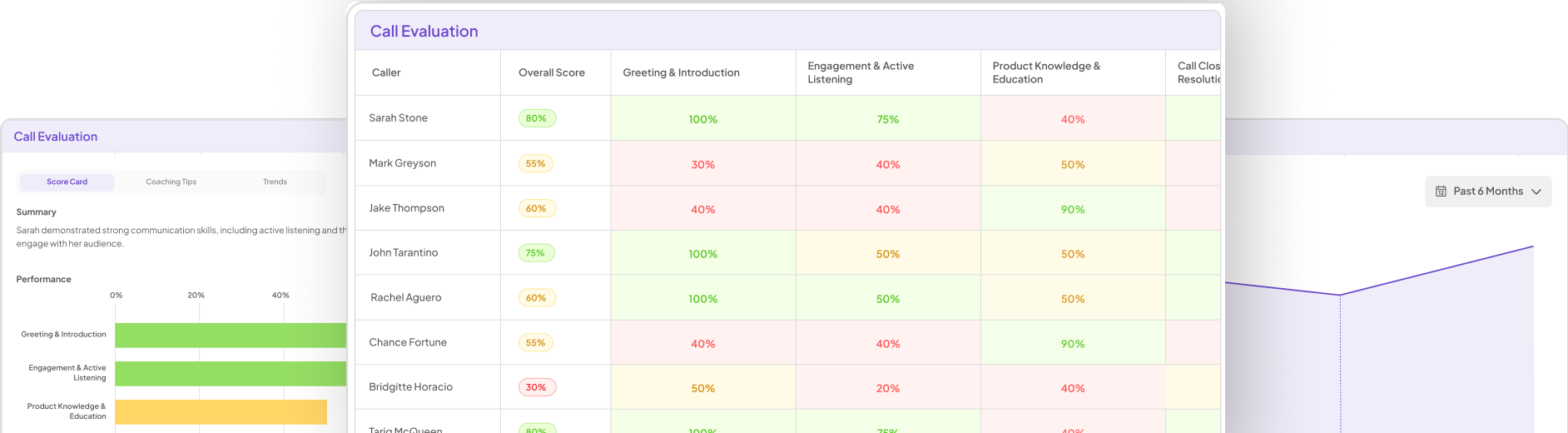
AI-powered platforms, such as Insight7, provide an excellent framework for conflict resolution skills self-assessment. These tools automatically evaluate conversations, scoring interactions based on custom quality criteria, which can include aspects like empathy, tone, and resolution effectiveness. By analyzing real-life scenarios, users can gain insights into their conflict management techniques and learn how to handle disputes more constructively.
One of the key benefits of using AI-driven mediation scenarios is the ability to receive unbiased, consistent feedback. This feature allows individuals to identify recurring patterns in their conflict resolution approach, enabling them to refine their skills over time. For instance, if a user consistently struggles with empathy during simulated conflicts, the AI can highlight this issue and suggest targeted coaching recommendations to address it.
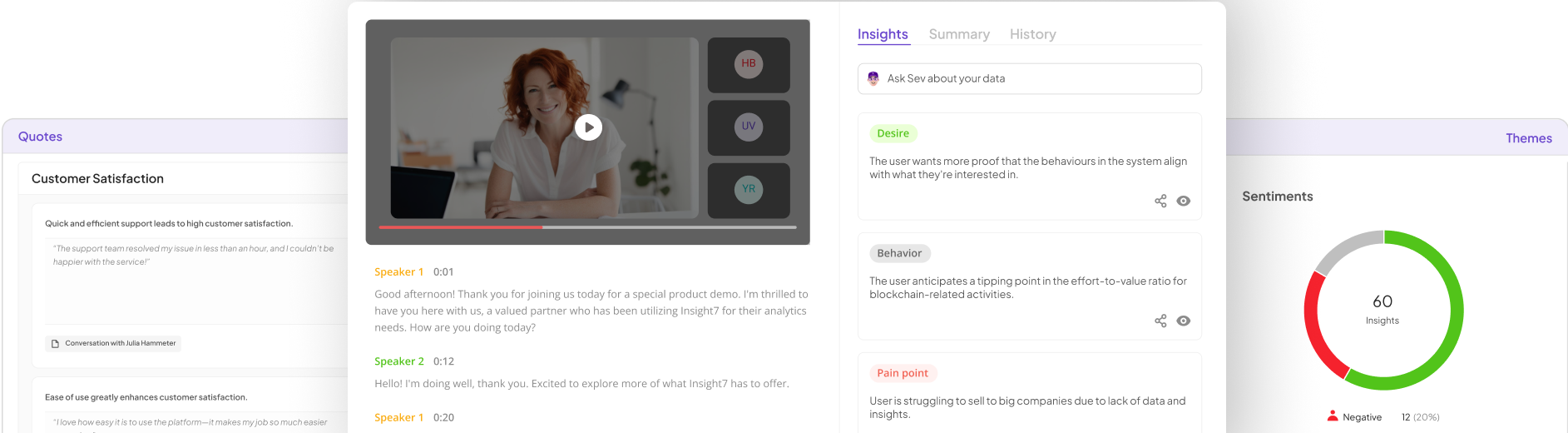
Moreover, these self-assessment tools can help users uncover their emotional responses during conflicts. By detecting sentiment and emotional cues, AI platforms can provide insights into how one's feelings may influence their conflict resolution style. This awareness is vital for developing emotional intelligence, which is a cornerstone of effective conflict management.
In addition to personal growth, AI mediation scenarios can enhance team dynamics. By encouraging team members to engage in these simulations together, organizations can foster a culture of open communication and collaboration. As employees practice resolving conflicts in a controlled environment, they build trust and understanding, ultimately leading to a more cohesive team.
To maximize the effectiveness of AI mediation scenarios, individuals should focus on several core conflict resolution skills. These include active listening, empathy, negotiation, and problem-solving. By honing these skills through self-assessment and practice, professionals can become more adept at navigating conflicts and achieving positive outcomes.
In conclusion, conflict resolution skills self-assessment using AI mediation scenarios offers a powerful way for individuals to enhance their conflict management abilities. By leveraging AI technology, users can receive personalized feedback, identify areas for improvement, and develop essential skills that contribute to a more harmonious workplace. As organizations increasingly recognize the importance of effective conflict resolution, investing in these self-assessment tools can lead to improved communication, collaboration, and overall productivity within teams.
Comparison Table
Comparison Table
The "Conflict Resolution Skills Self-Assessment with AI Mediation Scenarios" offers a unique approach to enhancing conflict management abilities. Unlike traditional self-assessment methods, AI-driven platforms like Insight7 automatically evaluate interactions, providing unbiased feedback on key skills such as empathy, negotiation, and problem-solving. Users can engage in realistic mediation scenarios that simulate real-life conflicts, allowing for practical application and skill refinement. The AI's ability to detect sentiment and emotional cues further aids in developing emotional intelligence, a critical component of effective conflict resolution. This innovative approach not only fosters individual growth but also enhances team dynamics by promoting open communication and collaboration. Ultimately, leveraging AI for self-assessment empowers professionals to navigate conflicts more effectively, leading to improved workplace relationships and productivity.
Selection Criteria
Selection Criteria
When assessing conflict resolution skills through AI mediation scenarios, several selection criteria are essential for effective evaluation. First, the ability of the AI platform to automatically evaluate interactions is crucial; it should score conversations based on custom quality criteria, including empathy, tone, and resolution effectiveness. Additionally, the platform must provide unbiased feedback, allowing users to identify their strengths and weaknesses consistently.
Another important criterion is the capability to detect sentiment and emotional cues, which aids in developing emotional intelligence—a key component of conflict management. The platform should also offer actionable coaching insights based on real interactions, enabling users to refine their skills over time. Finally, the inclusion of multilingual support ensures that diverse teams can engage in conflict resolution training effectively, fostering a culture of collaboration and open communication.
Implementation Guide
Implementation Guide
To effectively implement the "Conflict Resolution Skills Self-Assessment with AI Mediation Scenarios," organizations should begin by integrating an AI-powered platform that evaluates interactions in real-time. Start by customizing the evaluation criteria to align with your organization's specific conflict resolution goals, focusing on empathy, negotiation skills, and problem-solving abilities.
Next, deploy AI-driven mediation scenarios that simulate real-life conflicts, allowing users to practice and refine their skills in a safe environment. Encourage participants to engage with the platform regularly, as consistent practice will enhance their emotional intelligence and conflict management capabilities.
Additionally, leverage the platform's coaching insights to provide personalized feedback, helping individuals identify their strengths and areas for improvement. Regularly review performance metrics to track progress and adapt training programs as necessary, ensuring continuous development in conflict resolution skills across teams.
Frequently Asked Questions
Q: What is the purpose of the Conflict Resolution Skills Self-Assessment with AI Mediation Scenarios?
A: The purpose is to help individuals evaluate and enhance their conflict resolution skills through AI-driven scenarios that simulate real-life conflicts, providing actionable insights and feedback.
Q: How does the AI platform evaluate conflict resolution skills?
A: The AI platform automatically assesses interactions based on custom quality criteria, including empathy, tone, and resolution effectiveness, ensuring unbiased feedback for users.
Q: What benefits does the self-assessment provide?
A: The self-assessment offers personalized coaching insights, helping users identify strengths and weaknesses, and develop emotional intelligence crucial for effective conflict management.
Q: Is the platform suitable for multilingual teams?
A: Yes, the platform includes multilingual support, allowing diverse teams to participate in conflict resolution training effectively and fostering a culture of collaboration.
Q: How can organizations implement this self-assessment effectively?
A: Organizations should integrate the AI platform, customize evaluation criteria, deploy mediation scenarios for practice, and leverage coaching insights to track progress and adapt training programs.