
Cold Call Opening AI Simulation: Calling Restaurant Owner During Lunch Rush
-
 Bella Williams
 - 10 min read

Introduction to Cold Call Opening AI Simulation: Engaging Restaurant Owners During Lunch Rush
Cold calling restaurant owners during the lunch rush presents a unique set of challenges and opportunities. As the lunch hour is often the busiest time for restaurant owners, capturing their attention requires not only the right approach but also the ability to engage them effectively. This is where AI-powered coaching and roleplay simulations come into play, providing sales professionals with the tools to practice and refine their cold calling techniques in a risk-free environment.
AI simulations allow users to engage in realistic conversations with dynamic AI personas that mimic the responses and behaviors of actual restaurant owners. This technology enables learners to navigate common objections and challenges they might face during a cold call, such as interruptions or distractions typical of a lunch rush. By practicing these scenarios, sales professionals can develop their communication skills, enhance their confidence, and ultimately improve their success rates in real-world interactions.
Scenario: Cold Calling a Restaurant Owner Amidst the Lunch Rush
Scenario: Cold Calling a Restaurant Owner Amidst the Lunch Rush
Setting:
The scenario unfolds during the bustling lunch hour at a popular local restaurant. The owner is busy managing staff, attending to customers, and ensuring that orders are fulfilled promptly. The atmosphere is lively, filled with the sounds of clinking dishes, sizzling grills, and chatter from patrons.
Participants / Components:
- Sales Representative: A motivated individual seeking to pitch a new restaurant supply service.
- AI Persona (Restaurant Owner): A dynamic AI-driven character that mimics the behaviors and responses of a real restaurant owner during a busy period.
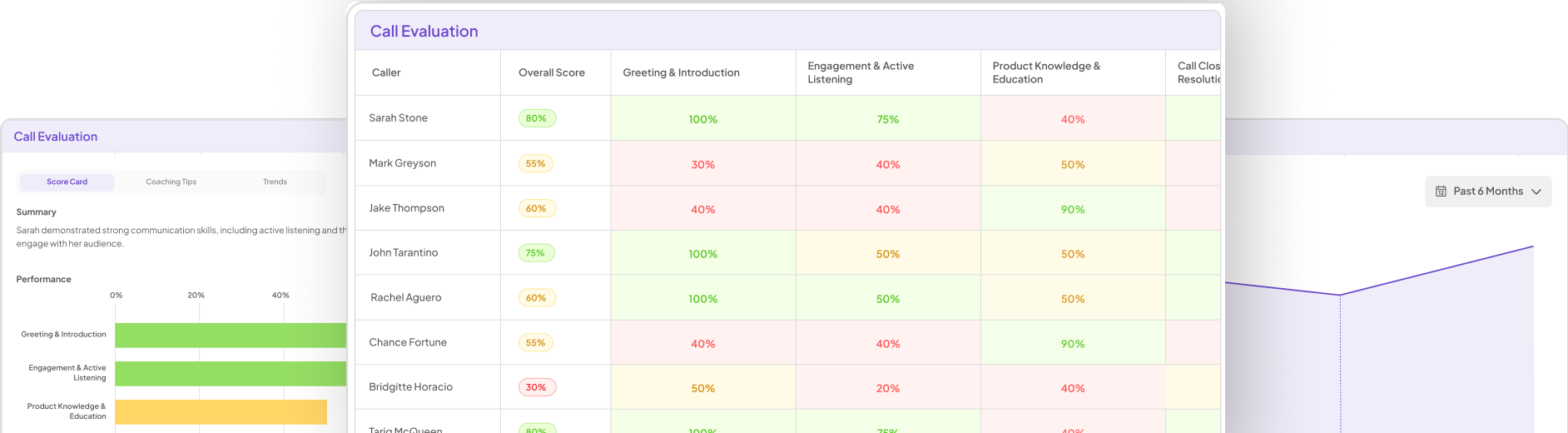
- AI Coaching Platform: The technology facilitating the roleplay, providing real-time feedback and analysis of the interaction.
Process / Flow / Response:
Step 1: Initial Engagement
The sales representative initiates the call with a friendly greeting, acknowledging the busy environment. They quickly introduce themselves and the purpose of the call, aiming to capture the owner's attention without being intrusive.
Step 2: Navigating Distractions
As the owner responds, the AI persona reflects the distractions typical of a lunch rush—interruptions from staff and customers. The sales representative must demonstrate active listening and adaptability, maintaining focus on the conversation despite these challenges.
Step 3: Addressing Objections
The AI persona presents common objections, such as "I'm too busy right now" or "I’m happy with my current supplier." The sales representative practices techniques to overcome these objections, using empathy and value-driven responses to keep the conversation moving forward.
Outcome:
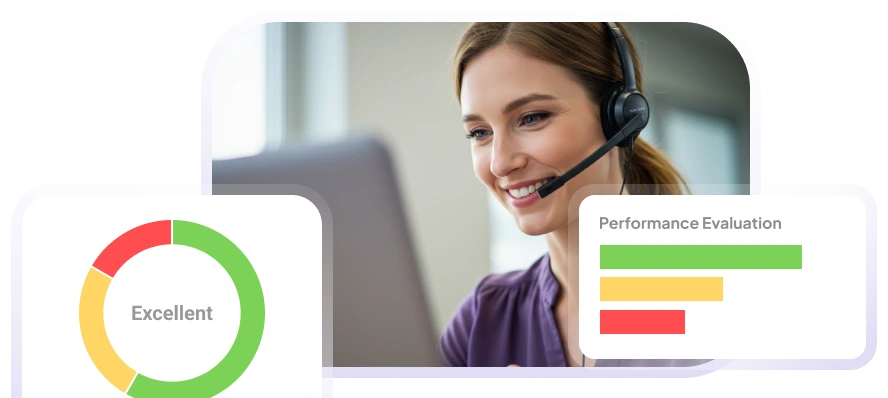
The expected result is a productive dialogue where the sales representative effectively engages the restaurant owner, navigates the challenges of a busy lunch hour, and potentially secures a follow-up meeting. The AI coaching platform provides immediate feedback on the representative's performance, highlighting strengths and areas for improvement, ultimately enhancing their cold calling skills for real-world applications.
Frequently Asked Questions about Cold Call AI Simulations for Restaurant Owners
Q: What is an AI-powered cold call simulation?
A: An AI-powered cold call simulation is a training tool that uses artificial intelligence to create realistic conversation scenarios, allowing sales professionals to practice their cold calling techniques in a risk-free environment.
Q: How does AI coaching improve cold calling skills?
A: AI coaching provides personalized feedback based on actual conversational behavior, helping users identify strengths and areas for improvement, which accelerates skill development.
Q: Can I customize the scenarios for my specific needs?
A: Yes, most AI coaching platforms allow users to create custom scenarios tailored to their specific products, workflows, and customer interactions, enhancing the relevance of the training.
Q: What types of objections can I practice handling?
A: Users can practice handling a variety of common objections, such as "I'm too busy right now" or "I'm happy with my current supplier," which are typical in cold calling scenarios.
Q: How quickly can I expect to see results from AI coaching?
A: Many users report measurable improvements in their cold calling skills within 2-4 weeks of consistent practice using AI coaching platforms.
Q: Is AI coaching suitable for both new and experienced sales professionals?
A: Absolutely! AI coaching is beneficial for both new hires looking to build foundational skills and experienced professionals seeking to refine their techniques and adapt to new challenges.