
How to Optimize Customer Experience During User Research with Affinity Maps

As businesses strive to create products and services that resonate with their audience, understanding the intricacies of user needs becomes paramount. In this pursuit, user research plays a pivotal role, and one tool stands out for synthesizing the insights gained—affinity maps. The Significance of User Research User research is the heartbeat of successful product development. It unveils the desires, pain points, and preferences of the end-users, providing a compass for businesses to navigate the complex market. The correlation between user research and an enhanced customer experience is undeniable, making it a cornerstone of strategic decision-making. At the intersection of user research and actionable insights lies the concept of affinity maps. These visual representations of data help distill the abundance of information gathered during user research into clear, organized themes. Affinity maps serve as a bridge between raw data and actionable strategies, making them a valuable asset in the pursuit of an optimized customer experience. The Role of Affinity Maps in Customer Experience Affinity maps play a dual role in the quest to enhance customer experience. Firstly, they aid in understanding the diverse perspectives and expectations of users. Secondly, they serve as a catalyst for informed decision-making, ensuring that the customer experience remains at the forefront of product and service development. Common Challenges in Optimizing Customer Experience Despite the undeniable benefits of user research, businesses frequently face hurdles when translating this valuable data into an enhanced customer experience. Affinity maps step in as a solution to these challenges, providing a visual and systematic approach to synthesizing user insights. 1. Information Overload: Businesses gather vast amounts of data through user research, leading to information overload. Affinity maps help organize and categorize data visually, making it easier for teams to identify patterns and prioritize key insights for a streamlined customer experience. 2. Lack of Focus: Without a clear focus, businesses may struggle to address the most critical aspects affecting the customer experience. Affinity maps bring attention to common themes and pain points, guiding businesses to focus their efforts on the most impactful areas for improvement. 3. Communication Breakdown: Communicating user research findings effectively across teams can be challenging, leading to misunderstandings. Affinity maps serve as a visual communication tool, fostering a shared understanding among team members and stakeholders, ensuring everyone is on the same page. 4. Difficulty in Prioritization: Determining which insights to prioritize for immediate action can be overwhelming. Affinity maps aid in prioritization by visually highlighting prevalent themes, allowing businesses to address the most critical issues affecting the customer experience. 5. Insufficient Synthesis: Synthesizing diverse user research data into actionable insights can be complex. Affinity maps streamline synthesis by providing a structured visual representation, making it easier for teams to derive meaningful conclusions from the gathered data. 6. Ineffective Collaboration: Lack of collaboration can hinder the translation of insights into actionable strategies. Affinity maps encourage collaborative efforts as teams work together to map out and interpret user insights, fostering a collective approach to optimizing the customer experience. 7. Resistance to Change: Employees may resist changes based on user research findings. Affinity maps offer a transparent view of user pain points, making it easier for teams to understand the necessity for change and facilitating a smoother transition toward an improved customer experience. 8. Time Constraints: Time constraints may limit the thorough analysis of extensive user research data. Affinity maps provide a quick and efficient method for teams to digest and act upon key insights, optimizing the use of available time resources. By addressing these common challenges through the utilization of affinity maps, businesses can bridge the gap between raw user research data and the successful enhancement of the overall customer experience. Step-by-Step Guide to Creating Affinity Maps To harness the power of affinity maps for customer experience optimization, businesses can follow a step-by-step guide. This involves the collaborative creation of affinity maps, grouping similar insights, and identifying patterns that inform strategic decisions. 1: Define the Purpose: Clearly articulate the objective of creating affinity maps. Understand the specific aspects of the customer experience you aim to improve. Whether it’s enhancing user satisfaction, addressing pain points, or refining specific touchpoints, a well-defined purpose sets the foundation for effective affinity mapping. 2: Gather User Research Data: Collect diverse and relevant user research data, including surveys, interviews, usability tests, and customer feedback. Ensure a comprehensive dataset that covers various aspects of the customer journey. 3: Assemble a Cross-Functional Team: Form a cross-functional team involving members from different departments, including UX/UI designers, product managers, customer support, and other relevant stakeholders. This diversity ensures a holistic perspective during the affinity mapping process. 4: Select an Affinity Mapping Method: Choose a suitable affinity mapping method based on the nature of your data and team preferences. Methods can include card sorting, digital tools, or physical boards. Select a method that aligns with the collaborative dynamics of your team. 5: Group Similar Insights: Begin the collaborative session by having team members individually review and categorize insights from the user research data. Encourage them to group similar insights or pain points into clusters. This phase sets the groundwork for identifying patterns and trends. 6: Conduct Affinity Mapping Session: Initiate a collaborative affinity mapping session where team members share their categorized insights. As a group, arrange the grouped insights on a physical or digital board. Engage in discussions to refine and consolidate similar clusters. 7: Identify Patterns and Themes: Analyze the arranged insights to identify overarching patterns and recurring themes. Look for commonalities in user behavior, preferences, and pain points. This step lays the foundation for informed decision-making in customer experience optimization. 8: Prioritize Key Insights: Work collectively to prioritize key insights based on their impact on the customer experience. Identify high-priority areas that require immediate attention and action. This step ensures a focused approach to addressing critical issues. 9: Translate Insights into Actionable Strategies: Collaboratively brainstorm and develop actionable strategies based on the identified insights. Discuss potential solutions, design changes, or process improvements that directly address the prioritized issues. 10:
How to Use User Personas to Improve Your Customer Experience

Understanding your customers is vital for providing a positive customer experience. This is where user personas come in as a valuable tool for gaining customer insight. User personas are fictional representations of your typical customers, created based on data collected through market research, surveys, and customer feedback. By using user personas, businesses can get a better understanding of their customers’ needs, preferences, and pain points. This, in turn, allows for the creation of a more personalized and effective customer experience. Feedback from users can help shape these personas, allowing for continuous improvement in customer satisfaction. By utilizing user personas, businesses can put themselves in their customers’ shoes and tailor their products or services to better meet their needs. The result is an improved customer experience that drives brand loyalty and positive word-of-mouth. Leveraging User Personas for Customer Insight Understanding your customers is key to creating a positive customer experience. User personas are a powerful tool that can help businesses gain valuable insights into their customers’ needs and preferences. What are User Personas? User personas are fictional characters that represent your target audience. They are developed by analyzing data about your customers, such as demographics, behavior, and attitudes. User personas help businesses understand who their customers are, what motivates them, and what their pain points are. By leveraging user personas, businesses can gain valuable customer insight that can be used to improve the customer experience. For example, if a business identifies a user persona that is highly dissatisfied with a particular product or service, it can take steps to address the issues that are causing that dissatisfaction. How Can User Personas Improve Customer Satisfaction? User personas can help businesses improve customer satisfaction by allowing them to create targeted marketing campaigns and personalized experiences. By understanding their customers’ needs and preferences, businesses can tailor their products and services to meet those needs. For example, if a business identifies a user persona that values convenience above all else, they can create a streamlined purchasing process that makes it easy for that persona to buy their products or services. By doing so, they can increase customer satisfaction and loyalty. The Benefits of User Personas There are several benefits to using user personas to gain customer insight: They help businesses understand their customers’ needs and preferences. They provide a framework for creating targeted marketing campaigns and personalized experiences. They help businesses identify pain points and opportunities for improvement. They can increase customer satisfaction and loyalty. Overall, user personas are a valuable tool for businesses that want to create a positive customer experience. By leveraging them, businesses can gain a deeper understanding of their customers and improve their products, services, and marketing efforts accordingly. Integrating Customer Feedback into Your Strategy Customer feedback is one of the most valuable resources for businesses seeking to improve their customer experience. By listening to their customers, companies can learn what works, what doesn’t, and where they can make improvements. Collecting Customer Feedback step 1: Start by identifying the best channels for collecting feedback. This may include email surveys, social media polls, or in-store feedback cards. step 2: Provide clear and specific questions to encourage actionable feedback. For example, rather than asking “How was your experience?”, ask “What could we have done differently to improve your experience?” Analyzing Customer Feedback step 3: Use a variety of tools to gather and analyze customer feedback. This might include sentiment analysis to gauge customer emotions or word cloud analysis to identify common themes. step 4: Categorize feedback into different areas of the customer journey, such as purchase experience or customer support. This will help you identify specific pain points and areas for improvement. Using Customer Feedback to Improve Customer Experience step 5: Set specific goals for improving the customer experience based on feedback. For example, if customers consistently report long wait times on the phone, set a goal to reduce call wait times by a certain percentage. step 6: Continuously monitor customer feedback and adjust your strategy accordingly. Make sure to inform customers of any changes you make based on their feedback, as this will show that you value their opinions and are committed to improving their experience. By incorporating customer feedback into your business strategy, you can enhance the overall customer experience and build stronger relationships with your customers. Enhance Customer Experience through Journey Mapping and Behavior Analysis Customer experience is an essential aspect of any business, and journey mapping and user behavior analysis can significantly contribute to enhancing it. Customer Journey Mapping This involves mapping out the various customer touchpoints and interactions with a brand, from initial awareness through to the final purchase decision and after-sales support. By analyzing the customer journey, businesses can identify pain points and opportunities for improvement, ultimately leading to an enhanced customer experience. Customer journey mapping can be carried out using various tools, including surveys, customer feedback, and online analytics tools. Some of the benefits of customer journey mapping include: Identifying areas where customer satisfaction is low Improving customer engagement Increasing customer loyalty Ensuring consistency across all customer touchpoints User Behavior Analysis User behavior analysis involves analyzing customer behavior, including their interactions with a business’s website, social media presence, and other online platforms. By analyzing user behavior, businesses can gain valuable insights into customer behavior and preferences, ultimately leading to an enhanced customer experience. Some of the benefits of user behavior analysis include: Identifying high-value customers Creating targeted marketing campaigns Improving website design and functionality Reducing bounce rates and improving conversion rates Overall, journey mapping and user behavior analysis are powerful tools that businesses can use to enhance the customer experience. By gaining insights into customer behavior and preferences, businesses can identify pain points and opportunities for improvement, ultimately leading to increased customer satisfaction and loyalty. Get Started for free FAQ How can user personas be used to improve the customer experience? User personas provide valuable insights into customer behavior and preferences, allowing businesses to tailor their products and services to meet the specific needs of
How to Implement AI for Customer Feedback Analysis: Challenges and Best Practices
[vc_row type=”in_container” full_screen_row_position=”middle” column_margin=”default” column_direction=”default” column_direction_tablet=”default” column_direction_phone=”default” scene_position=”center” text_color=”dark” text_align=”left” row_border_radius=”none” row_border_radius_applies=”bg” overflow=”visible” overlay_strength=”0.3″ gradient_direction=”left_to_right” shape_divider_position=”bottom” bg_image_animation=”none”][vc_column column_padding=”no-extra-padding” column_padding_tablet=”inherit” column_padding_phone=”inherit” column_padding_position=”all” column_element_direction_desktop=”default” column_element_spacing=”default” desktop_text_alignment=”default” tablet_text_alignment=”default” phone_text_alignment=”default” background_color_opacity=”1″ background_hover_color_opacity=”1″ column_backdrop_filter=”none” column_shadow=”none” column_border_radius=”none” column_link_target=”_self” column_position=”default” gradient_direction=”left_to_right” overlay_strength=”0.3″ width=”1/1″ tablet_width_inherit=”default” animation_type=”default” bg_image_animation=”none” border_type=”simple” column_border_width=”none” column_border_style=”solid”][vc_column_text] Customer feedback is a valuable asset for any business. It helps companies understand what customers think about their products or services and identify areas for improvement. However, analyzing large volumes of feedback manually can be time-consuming and prone to errors. This is where AI comes into play. By using AI-powered tools, businesses can streamline the feedback analysis process and generate valuable insights that can drive decision-making. From understanding customer sentiment to detecting patterns in feedback, AI can make analysis faster, more efficient, and more accurate. The challenge lies in implementing AI effectively to ensure that the insights gathered are both actionable and relevant. In this article, we’ll guide you through the process of implementing AI for customer feedback analysis, covering both the challenges and best practices. We’ll explore the role of AI in feedback analysis, key steps for successful implementation, and common pitfalls to avoid. Whether you’re looking to enhance customer satisfaction, fine-tune your marketing strategy, or improve your product, this guide will show you how to make AI work for your business. Understanding the Basics AI helps in feedback analysis by automating the process of sorting, categorizing, and extracting meaningful insights from large datasets. It identifies patterns in customer sentiments, highlights common issues, and enables businesses to take timely action based on real-time feedback. Before diving into implementation, it’s important to grasp the fundamentals of AI in customer feedback analysis. At its core, AI uses machine learning and natural language processing (NLP) to analyze large sets of data and extract insights. This can include everything from categorizing feedback by sentiment (positive, negative, neutral) to identifying emerging themes or patterns in customer comments. One of the most powerful features AI offers is sentiment analysis, which automatically detects the emotional tone behind feedback. Sentiment analysis can help businesses quickly identify areas that are making customers happy or frustrated. Similarly, natural language processing (NLP) enables AI to understand human language, making it easier to extract meaningful insights from unstructured data such as reviews or surveys. The challenges of manual feedback analysis are well-known. Sorting through thousands of comments, categorizing them, and identifying trends can be overwhelming. Traditional methods also leave room for human error or bias, which can distort the insights gathered. AI helps overcome these challenges by automating the analysis process, ensuring a faster, more consistent, and objective approach to understanding customer feedback. However, AI is not without its own challenges. For example, AI systems rely heavily on the quality of data they are fed. Poorly organized or incomplete feedback data can lead to inaccurate results. Additionally, while AI can provide quick insights, human judgment is still necessary to interpret and apply those insights correctly. This means businesses need to strike a balance between leveraging AI and using human intuition. Step-by-Step Guide Step 1: Choosing the Right AI Tools When selecting AI tools for customer feedback analysis, it’s important to prioritize features that align with your business goals. Look for tools that offer text analysis to process open-ended feedback, sentiment detection to understand customer emotions, and automated reporting to quickly generate insights that can be shared across teams. AI tools can be particularly effective, as they specialize in qualitative data analysis, making it easy to extract actionable insights from interviews, surveys, and reviews. Insight7’s automated qualitative data analysis allows businesses to upload large datasets and get detailed insights with minimal manual input. This feature is ideal for companies looking to analyze feedback in bulk and derive clear, actionable takeaways. It also offers bulk transcription capabilities, enabling businesses to convert audio or video feedback into text for easier analysis. This feature is essential for companies dealing with interview or call feedback, allowing them to transcribe and analyze multiple sources of feedback quickly. Once you’ve chosen the right tool, you can begin gathering feedback data. Step 2: Collecting and Organizing Feedback Data The accuracy of your AI analysis will depend largely on the quality of the feedback you provide. To ensure comprehensive results, it’s essential to gather feedback from multiple sources, including surveys, product reviews, social media, and customer service interactions. Consolidating feedback from different touchpoints will give your AI a richer dataset to work with, leading to more accurate insights. When organizing feedback data, it’s important to group similar types of feedback together, such as product complaints, service reviews, or feature suggestions. This helps the AI system categorize the feedback correctly and generate more relevant insights. Insight7 allows users to consolidate customer feedback from various sources into one centralized repository. This project-based feature makes it easy to manage and organize data, so you can track feedback trends across different products or time periods. Step 3: Training and Customizing the AI System AI systems are powerful, but they become even more effective when tailored to your specific business needs. Depending on the industry you’re in, the language and type of feedback may vary greatly. For example, a healthcare company analyzing patient feedback will need an AI system trained to understand medical terms, while an e-commerce business will need AI to focus on product-specific feedback. Customizing AI systems allows you to focus on the insights that matter most to your business. By fine-tuning the system to understand the unique terminology or customer concerns in your industry, you can ensure that the insights generated are both relevant and actionable. AI platforms offer customizable insight deliverables, allowing you to tweak how data is processed and what insights are prioritized. This ensures that your AI system is delivering insights that are aligned with your specific business goals and customer needs. Step 3: Training and Customizing the AI System AI systems are most effective when trained and customized for specific applications. Although many tools are plug-and-play, customizing them to meet your industry-specific requirements will improve
What is User testing? How to Use User Testing to Improve Your Product Development

In the ever-evolving landscape of digital products and services, user testing has emerged as a crucial requirement for ensuring that your offerings meet the needs and expectations of your target audience. This comprehensive guide will walk you through what user testing is, why it’s essential, and how to effectively use it to enhance your product development process. Whether you’re a business owner, product manager, or a newcomer to the world of user testing, this article will provide you with valuable insights and actionable steps to take your product development to the next level. What is User Testing? User testing, often referred to as usability testing, is a process of evaluating a product’s usability by observing real users interacting with it. This method helps product developers understand how users experience their products, identify issues, and make informed improvements. User testing can be applied to websites, mobile apps, software, and even physical products, making it a versatile tool for enhancing user satisfaction and product success. Why is User Testing Essential? User testing is essential for several reasons: User-Centric Design: It ensures that your product is designed with your users in mind, leading to better user experiences. Identifying Pain Points: User testing uncovers pain points, obstacles, and frustrations that users may encounter, enabling you to address them. Validation: It validates design decisions and hypotheses, reducing the risk of building a product that users won’t embrace. Cost Savings: Early identification of issues through user testing can save you from costly redesigns and updates down the road. Competitive Advantage: A user-tested product is more likely to outperform competitors’ offerings and gain a loyal user base. Step-by-Step Guide to Using User Testing for Product Development 1. Define your goals and metrics: The first step for user testing is to define what you want to learn from your users and how you will measure their behavior and satisfaction. Depending on the stage of your product development, you might have different goals, such as testing your value proposition, usability, features, or performance. You should also decide what metrics you will use to evaluate your user testing results, such as completion rates, time on task, error rates, or satisfaction scores. 2. Identify Your User Persona: User personas are fictional characters that represent your typical users. Creating detailed personas helps you in recruiting participants who closely match your target audience. For example: “Meet Sarah, a 30-year-old working professional who enjoys online shopping. She’s tech-savvy and expects a seamless e-commerce experience.” You should segment your Ideal Customer Avatar into different groups based on their characteristics, behaviors, or preferences. This will help you know who is best suited for the test. 3. Create a prototype: The third step is to create a prototype of your product or service. This can be a simple wireframe or a more advanced prototype, depending on the stage of your product development. The prototype should be functional and realistic enough to simulate the user experience. 4. Come up with a test plan: Next is to come up with a test plan that outlines your usability test. You should ensure that when you test across different individuals, you’re doing so in a consistent manner. The test plan should include the tasks, questions, and scenarios that you want to present to your users. You can use templates or create your test plan. 5. Recruit people (target users): The fifth step is to recruit people who match your criteria. You can use User testing platforms to get users or recruit your own users. Segmentation is very important here, you should also segment your users based on their demographics, behavior, or preferences to get more specific feedback. 6. Find a suitable location: Here you would need to find a suitable location to conduct your user testing based on your budget and the nature of your product. This can be in-person or remote, depending on your preference and the stage of your product development. You should ensure that the location is quiet, comfortable, and distraction-free. If you choose in-person testing, you can observe participants directly, while remote testing offers convenience but may require video conferencing or specialized usability testing software. 7. Moderate the test: The next step is to moderate the test. You should follow a clear and consistent protocol during your testing sessions. You should observe and listen to your users, without influencing their behavior or responses. 8. Conduct the Testing: During the testing, maintain a structured approach. Encourage participants to think out loud and share their thoughts as they perform tasks. Here’s what you might say during a session: “Please walk me through your thought process as you search for the laptop and add it to your cart. Share any difficulties or observations as you go.” 9. Document the test results: Now you document the test results. You can use Insight7 to analyze your results and identify patterns, trends, or insights. You should also compare your results with your goals and metrics to evaluate your product’s performance. 10. Iterate and Improve: Once you’ve identified issues, prioritize them and make iterative improvements to your product. Make sure you address the most critical issues first, If you find that users struggle to find the “Add to Cart” button, you can improve its visibility and placement on your e-commerce site. 11. Repeat the Process: User testing is not a one-time effort. As your product evolves, conduct multiple rounds of testing. Each iteration helps you uncover new issues and refine your product further. As you implement changes, conduct user testing again to ensure that the improvements have addressed the initial issues and haven’t introduced new problems. 12. Monitor Post-Release: Even after your product is launched, your work isn’t done. Continue to monitor user feedback and behavior to make further refinements. Pay attention to customer reviews, feedback forms, and support inquiries to spot ongoing issues and gather ideas for future enhancements. Incorporating these steps into your product development process will help you create user-friendly, high-quality products that resonate with your target audience. By continually
The Power of Focus Groups in User Research and User Experience Design

Focus groups are a popular method of user research, and they can be a powerful tool in user experience design. In this blog post, we will explore the power of focus groups in user research and how they can help you create a better user experience. What are Focus Groups? Focus groups are qualitative research sessions that involve a small group of individuals who represent the target audience for a product or service. The participants are carefully selected to reflect the diversity and characteristics of the target user group. In a focus group, a trained moderator facilitates a discussion by asking open-ended questions and encouraging participants to share their thoughts, opinions, and experiences. The Power of Focus Groups in User Research (1) In-depth insights: Focus groups provide an opportunity to gain in-depth insights into the attitudes, preferences, and motivations of users. Through open discussions, participants can express their opinions, share personal experiences, and elaborate on their needs and desires. This qualitative data helps researchers to understand the underlying reasons behind user behaviors and preferences, which may not be evident through other research methods. For example, let’s say you’re designing a new mobile banking app, by conducting a focus group with potential users, you can learn about their expectations, pain points, and desired features. This valuable information can inform your design decisions and help you create a user-friendly and intuitive app. (2) Group dynamics and interactions: Focus groups leverage the power of group dynamics to generate richer insights. Participants can build upon each other’s ideas, challenge assumptions, and spark new thoughts through their interactions. These group dynamics allow researchers to observe how users influence each other and how consensus or disagreements are reached. Such observations can reveal social and cultural factors that shape user preferences and behaviors. For instance, imagine you’re developing a social media platform, conducting focus groups can shed light on how users perceive and interact with different social features, and whether their preferences align or differ based on factors such as age, gender, or cultural background. (3) Rapid feedback iteration: Focus groups can provide rapid feedback on prototypes, designs, or concepts at different stages of development. By presenting mock-ups or prototypes to participants and soliciting their feedback, you can quickly identify strengths, weaknesses, and areas for improvement. This iterative feedback loop allows you to refine your designs early in the development process, saving time and resources in the long run. A focus group can help you identify usability issues, confusing navigation elements, or missing key features. Armed with this feedback, you can make iterative improvements to enhance the overall user experience. As a UX designer working on a mobile gaming application some years ago, I wanted to ensure that the user experience was engaging, intuitive, and met the needs of our target audience. To gather insights and feedback, we decided to conduct focus groups with potential users. We carefully recruited participants who were avid mobile gamers and represented a diverse range of ages, gaming preferences, and experience levels. We wanted to capture a broad spectrum of perspectives to inform our design decisions. During the focus group sessions, we began by introducing the concept and purpose of the gaming application. We then facilitated open discussions by asking participants about their gaming habits, favorite features in existing gaming apps, and their expectations for a new gaming experience. The group dynamics in the focus groups were remarkable. Participants shared their personal gaming stories, debated different game mechanics, and provided valuable insights into what made a mobile game addictive and enjoyable for them. Through these interactions, we uncovered various patterns and preferences that we might have missed through other research methods. For example, one recurring theme that emerged was the importance of social features in mobile gaming. Participants expressed a desire for multiplayer options, leaderboards, and the ability to connect with friends within the game. This highlighted the need to prioritize social integration in our design to enhance the overall user experience. Additionally, the focus groups helped us identify potential pain points and areas for improvement. Participants shared frustrations with overly complex tutorials, cluttered interfaces, and excessive in-app advertisements. These insights guided us in simplifying the onboarding process, streamlining the user interface, and implementing non-intrusive ad placements. Furthermore, focus groups allowed us to test early prototypes and gather immediate feedback. We presented participants with wireframes and mock-ups of various game screens, seeking their opinions on layout, color schemes, and iconography. Their feedback helped us refine our design choices and ensured that we were aligning with their visual preferences and usability expectations. Overall, the focus groups provided invaluable insights into the minds of our target users. We were able to create a gaming application that resonated with their needs and preferences, resulting in a more engaging and enjoyable user experience. The experience of using focus groups reinforced the power of qualitative research in shaping the user experience. By listening to the voices of our potential users, we were able to make informed design decisions that ultimately led to a successful product launch and positive user feedback. Best Practices for Conducting Focus Groups To make the most of focus groups in user research, here are some best practices to consider: Clearly define research objectives: Clearly define your research objectives and the specific questions you want to explore. This will help you structure the focus group session and ensure you gather relevant insights. Recruit diverse participants: Aim for diversity in your focus group participants to capture a wide range of perspectives. Consider factors such as age, gender, cultural background, and level of expertise to ensure a representative sample. Prepare a discussion guide: Create a discussion guide with open-ended questions that encourage participants to share their thoughts and experiences. This will help you facilitate the session effectively and cover all the necessary topics. Engage a skilled moderator: A skilled moderator is crucial to guide the discussion, manage group dynamics, and ensure that all participants have an opportunity to share their views. The moderator should be
Avoiding Bias in User Research: A Crucial Path to Reliable Insights

User research plays a vital role in informing product development, enhancing user experience, and driving innovation. However, the quality and reliability of research findings heavily depend on the ability to mitigate biases that can distort or misrepresent the data collected. It is crucial to be aware of the various biases that can influence user research and implement strategies to minimize their impact. In this article, we will delve into five common biases – confirmation bias, social desirability bias, Hawthorne effect, sampling bias, and anchoring bias – and provide practical recommendations to avoid them. 1.Confirmation Bias: Challenging Assumptions for Balanced Insights Confirmation bias refers to the human tendency to seek out and interpret information that confirms pre-existing beliefs while disregarding contradictory evidence. In user research, this bias can lead researchers to selectively gather data that supports their assumptions, resulting in skewed findings. To mitigate confirmation bias, researchers should consciously challenge their own assumptions and encourage diverse perspectives. This can be achieved by: Fostering a culture of open-mindedness: Encourage team members to question assumptions and welcome dissenting opinions during research planning and analysis. Structuring research questions neutrally: Ensure that research questions are framed objectively and do not steer participants towards specific answers. Triangulating data: Gather data from multiple sources and methodologies to validate findings and reduce the impact of individual biases. 2. Social Desirability Bias: Facilitating Honest Responses Social desirability bias occurs when participants provide answers that they believe are socially acceptable or expected, rather than their true opinions or experiences. This bias can distort user research by generating inaccurate or misleading data. To mitigate social desirability bias, it is essential to create an environment that encourages honest responses. Here are some recommendations: Assure anonymity and confidentiality: Communicate to participants that their responses will remain confidential, reducing concerns about judgment or social consequences. Use indirect questioning techniques: Frame questions in a way that minimizes the perceived social desirability of certain responses, such as using hypothetical scenarios or third-person perspectives. Mix qualitative and quantitative methods: By combining open-ended questions and structured surveys, you can gain a more comprehensive understanding of participants’ thoughts and behaviors. 3. Hawthorne Effect: Naturalizing User Behavior The Hawthorne effect refers to the alteration of behavior by participants when they are aware they are being observed. In user research, this can result in participants modifying their actions or feedback, leading to inaccurate representations of their true behaviors and preferences. To minimize the Hawthorne effect, researchers can employ the following strategies: Unobtrusive observation: Whenever possible, observe users in their natural environment without explicitly indicating their observation to reduce the impact on their behavior. Normalizing the research process: Clearly communicate the purpose of the research and emphasize that there are no right or wrong answers, creating a relaxed and non-judgmental atmosphere. Building rapport: Establish a connection with participants to create trust, which can help alleviate their self-consciousness and make them feel more comfortable behaving naturally. 4. Sampling Bias: Ensuring Representative Data Sampling bias occurs when the research sample is not representative of the larger population, leading to skewed or inaccurate results. This bias can undermine the generalizability and validity of user research findings. To mitigate sampling bias, consider following these recommendations: Define clear target criteria: Clearly define the characteristics and demographics of the target population, ensuring that the sample represents the diversity within it. Random sampling: Implement random sampling techniques to ensure that every member of the target population has an equal chance of being included in the study. Continual evaluation: Regularly assess the representativeness of the sample throughout the research process and make adjustments as needed. This may involve seeking additional participants from underrepresented groups or adjusting recruitment strategies to reach a more diverse audience. 5. Anchoring Bias: Minimizing the Influence of Initial Impressions Anchoring bias occurs when a user’s initial impression or experience with a product biases their subsequent perception of it. This bias can impact user research by leading participants to provide feedback that aligns with their initial expectations, rather than objectively evaluating the product. To mitigate anchoring bias, consider the following strategies: Use blind testing: Conceal or remove any information that may bias participants’ perceptions, such as branding or previous user reviews, allowing them to form unbiased opinions. Provide context and exposure: Give participants ample time to explore and interact with the product, allowing their perceptions to evolve beyond initial impressions. Incorporate multiple touchpoints: Gather feedback at different stages of the user journey to capture evolving perceptions and experiences, reducing the influence of anchoring on the overall evaluation. Avoiding bias in user research is paramount to obtain reliable, meaningful insights that can drive effective product development and user experiences. By understanding and actively addressing these biases, researchers can enhance the quality and validity of their findings. Remember, user research is a continuous learning process. It requires ongoing vigilance and adaptation to ensure that biases are acknowledged and addressed effectively. By prioritizing unbiased research practices, you can enhance the value and impact of user research, leading to better-informed decisions and user-centric products and services. Through careful execution, product teams can build a solid foundation for unbiased user research, ultimately benefiting both the end-users and the organizations seeking to provide them with exceptional experiences.
How to Conduct User Research for Maximum Value
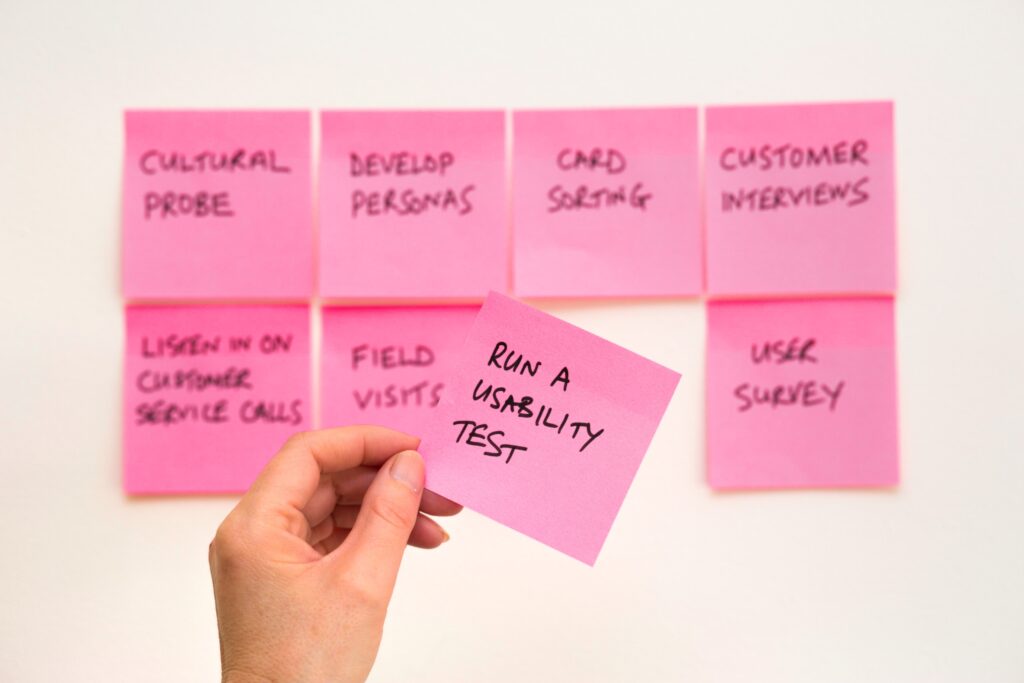
User research is the process of understanding users’ needs, behaviors, and attitudes through different techniques. Conducting user research is crucial for product teams to build better products and services that meet their users’ needs and solve their problems. Whether you are launching a brand new product or redesigning an existing one, it is essential to engage with real users before you do anything else. If you skip this crucial step and dive straight into design and production, you are essentially basing your decisions on guesswork – a costly game to play. What if you bring your product to market only to find that you guessed wrong? You will have to go back to the drawing board, having unnecessarily wasted time, resources and money. User research conducted in the right way, at the right moment, is the only way to avoid this. Good design starts with thorough user research. Without sufficient research, it is impossible to distinguish between a product that merely looks good and one that solves a real user problem. What is User Research? User research is the process of understanding users’ pain points, desires and behaviors through various methods and techniques, including interviews, surveys, observations, usability tests, etc. It involves gathering insights from real users to inform the design and development of products or services. The process of conducting user research can be tedious and time consuming. In this blog post, we will introduce some key user research methods and how to get maximum value from your user research. Methods of Conducting User Research There are two types of user research methods: qualitative and quantitative research. Quantitative research yields measurable, numerical results, while qualitative research focuses on the reasons and motivations behind the user’s behavior. Quantitative research methods include surveys, analytics, and A/B testing. Surveys are a cost-effective way to gather data from a large sample of users. Analytics provide data on user behavior, such as click-through rates and conversion rates. A/B testing is a method of comparing two versions of a design to determine which one performs better. Qualitative research methods include interviews, focus groups, and usability testing. Interviews allow you to gather in-depth information about users’ attitudes, behaviors, and motivations. Focus groups are useful for testing new product concepts or ideas. Usability testing involves observing users interacting with a product to identify usability issues. How to Conduct User Interviews To extract maximum value from user research, it’s essential to follow a structured approach. 1.Define Your Research Goals Before starting the research process, it’s essential to define your research goals. What do you want to achieve through user research? What problems are you trying to solve? By defining your research goals, you can create a clear roadmap for the research process and ensure that you gather relevant data that helps you make informed decisions. 2. Identify Your Target Audience Once you have defined your research goals, you need to identify your target audience. Who are the users that you want to research? What are their demographics, behaviors, and attitudes? By identifying your target audience, you can tailor your research methods and questions to gather the most relevant data. 3. Choose the Right Research Methods There are different research methods you can use to gather data, including interviews, surveys, observations, and usability tests. Choosing the right research methods depends on your research goals and your target audience. For example, if you want to understand how users interact with your product, you can conduct usability tests to observe their behavior. If you want to gather insights into users’ attitudes and perceptions, you can use interviews or surveys. 4. Recruit Participants Recruiting participants is a crucial step in the research process. You need to identify the right participants who match your target audience criteria. You can recruit participants through different methods, including online recruitment, social media, or in-person recruitment. It’s important to ensure that your participants are representative of your target audience and that you have enough participants to gather sufficient data. 5. Conduct the Research Once you have recruited participants, it’s time to conduct the research. Make sure to follow a structured approach and ask open-ended questions that allow participants to express their thoughts and opinions freely. Use the research methods that you have chosen to gather data, and record the data in a structured way for analysis. You can read more about asking the right interview questions here. 6. Analyze the Data Conducting the research is the first major step. After conducting the research, you need to analyze the data to extract meaningful insights. This is a painstaking process for UX researchers because of the number of hours spent sorting and trying to make sense of the data. You can use different techniques to analyze the data, including content analysis, thematic analysis, or statistical analysis. It’s important to ensure that your analysis is unbiased and that you identify patterns and trends in the data that help you answer your research questions. AI powered tools like Insight7, automate the process and cut down research analysis time from hours to minutes. 7. Synthesize the Insights The final step is to synthesize the insights from the research. By synthesizing the insights, you can create a comprehensive understanding of your users’ needs, behaviors, and attitudes. You can use the insights to inform your product or service development, marketing strategies, and customer service initiatives. With Insight7, you can visualize themes, pain points, desires, behaviors and sentiments from your customer feedback in seconds, helping you gain a comprehensive understanding of the data. It also synthesizes insights and identifies priorities and opportunities from your research data, which helps you make product decisions faster. In conclusion, conducting user research is a critical step for businesses to create better products and services that meet their users’ needs. By following the steps outlined in this blog post, you can conduct user research for maximum value and make informed decisions that benefit your users and your business more efficiently.
