

Call center representative skills: Building resilience through AI practice
-
 Bella Williams
 - 10 min read

In the evolving landscape of customer service, call center representatives must cultivate resilience to navigate the challenges of their roles effectively. This resilience can be significantly enhanced through the integration of AI practices, which provide valuable insights and support. By leveraging AI-powered call analytics, representatives can receive real-time feedback on their performance, identify areas for improvement, and develop essential skills such as empathy and effective communication. This article will explore how AI tools can transform the training and coaching processes, enabling call center agents to thrive in high-pressure environments while delivering exceptional customer experiences. As we delve into the core skills necessary for resilience, we will highlight practical strategies for utilizing AI to foster growth and adaptability in customer-facing teams.
Essential Skills for Call Center Representatives
Building resilience in call center representatives is essential for navigating the complexities of customer interactions. By integrating AI practices into their training and daily operations, agents can enhance their skills and develop a robust support system that fosters resilience. AI-powered call analytics platforms, like Insight7, automatically evaluate customer interactions, providing real-time feedback that helps representatives identify areas for improvement. This process not only boosts individual performance but also cultivates a culture of continuous learning and adaptability within teams.
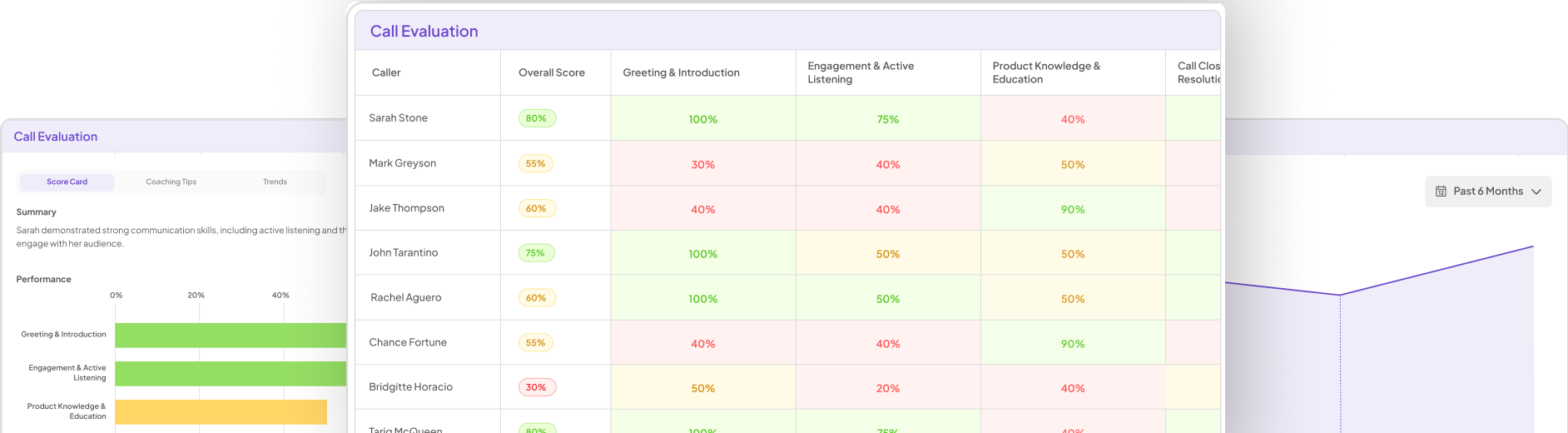
One of the most significant advantages of AI in call centers is its ability to automate call evaluations and quality assurance. By scoring interactions based on custom quality criteria, AI can detect sentiment, empathy, and resolution effectiveness. This consistent and unbiased feedback allows agents to understand their strengths and weaknesses, enabling them to refine their communication strategies. For instance, if an agent receives feedback indicating a lack of empathy during a call, they can focus on developing this skill through targeted training and practice.
Moreover, AI tools can generate actionable coaching insights from real conversations, helping managers track agent performance over time. This ongoing performance management is crucial for identifying skill gaps and suggesting personalized coaching recommendations. By utilizing AI-driven insights, call center leaders can tailor their training programs to address specific needs, ensuring that representatives are equipped to handle various customer scenarios effectively.
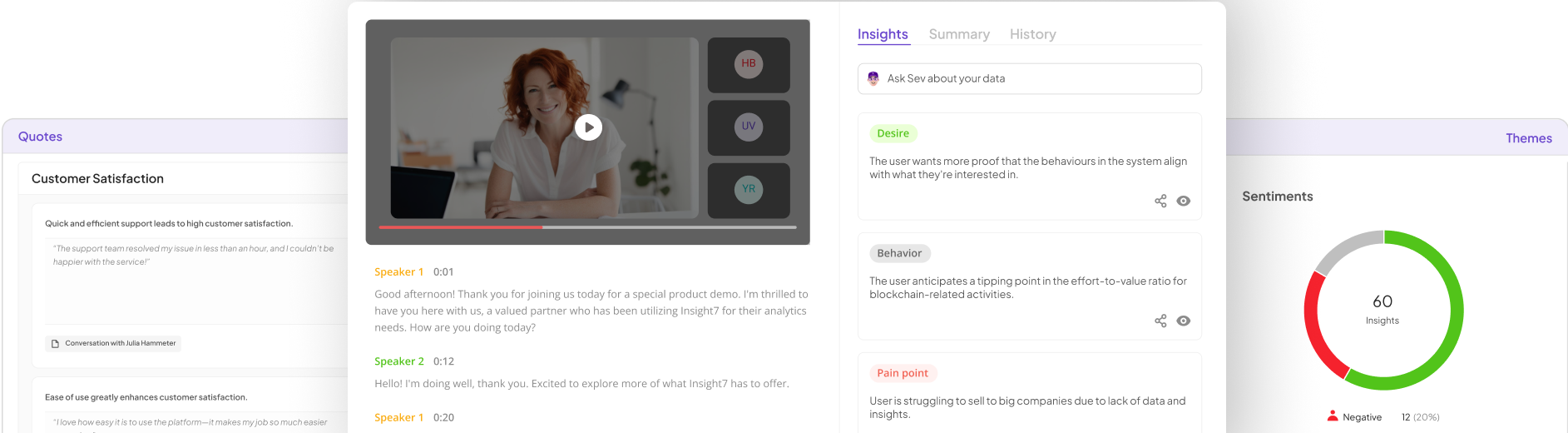
In addition to enhancing individual skills, AI also plays a vital role in improving overall customer experience. By uncovering recurring customer pain points and sentiment trends, AI allows representatives to understand the drivers of satisfaction and escalation. This knowledge empowers agents to proactively address issues and identify upsell and cross-sell opportunities during interactions. As a result, representatives can not only resolve customer inquiries more effectively but also contribute to the organization's revenue growth.
Furthermore, the integration of AI in call centers promotes a culture of resilience by enabling agents to practice and refine their skills in a safe environment. For example, AI can simulate challenging customer interactions, allowing representatives to rehearse their responses and receive immediate feedback. This practice helps build confidence and prepares agents for high-pressure situations they may encounter in real life.
To maximize the benefits of AI in building resilience, call center representatives should embrace a mindset of continuous improvement. Regularly engaging with AI tools, seeking feedback, and participating in training sessions can significantly enhance their skills and adaptability. By viewing AI as a supportive partner rather than a replacement, agents can leverage technology to bolster their performance and deliver exceptional customer experiences.
In conclusion, building resilience through AI practice is a transformative approach for call center representatives. By harnessing the power of AI-powered call analytics, agents can receive real-time feedback, develop essential skills, and enhance their overall performance. This integration not only fosters individual growth but also contributes to a more resilient and effective customer service team. As the landscape of customer service continues to evolve, embracing AI practices will be crucial for representatives aiming to thrive in their roles.
Comparison Table
Comparison Table
In the realm of call center operations, building resilience through AI practice is pivotal for representatives. AI-powered platforms like Insight7 enhance skills by providing real-time feedback on customer interactions. This technology evaluates calls for sentiment, empathy, and resolution effectiveness, enabling agents to identify areas for improvement. In contrast, traditional training methods often lack the immediacy and personalization that AI offers.
Moreover, AI tools generate actionable coaching insights, allowing managers to track performance and address skill gaps effectively. While conventional coaching may rely on periodic assessments, AI ensures continuous performance management. Ultimately, the integration of AI not only fosters individual growth but also cultivates a resilient team capable of navigating the complexities of customer interactions with confidence and adaptability.
Selection Criteria
Selection Criteria
Call center representatives must cultivate resilience through AI practice to thrive in today's dynamic customer service environment. Key skills include adaptability, emotional intelligence, and effective communication. AI-powered call analytics, like those offered by Insight7, provide real-time feedback on customer interactions, enabling representatives to identify areas for improvement. This immediate insight fosters a culture of continuous learning, allowing agents to refine their skills and enhance their performance.
Moreover, AI tools automate call evaluations, scoring interactions for sentiment and empathy, which helps representatives understand their strengths and weaknesses. By leveraging these insights, agents can focus on developing essential skills, such as empathy and conflict resolution, ultimately leading to improved customer experiences and increased revenue opportunities. Embracing AI as a supportive partner is crucial for building resilience and achieving long-term success in customer service roles.
Implementation Guide
Building resilience in call center representatives is essential for navigating the complexities of customer interactions, and AI practice plays a crucial role in this development. By leveraging AI-powered platforms like Insight7, representatives can receive real-time feedback on their performance, focusing on key skills such as empathy, adaptability, and effective communication. This immediate insight allows agents to identify areas for improvement and fosters a culture of continuous learning.
AI tools automate call evaluations, scoring interactions based on sentiment and resolution effectiveness. This not only helps representatives understand their strengths and weaknesses but also enables targeted coaching recommendations. By embracing AI as a supportive partner, call center agents can enhance their skills, improve customer experiences, and ultimately drive revenue opportunities, cultivating a resilient and high-performing team.
Frequently Asked Questions
Frequently Asked Questions
Q: How can AI help call center representatives build resilience?
A: AI assists call center representatives by providing real-time feedback on customer interactions, helping them identify strengths and areas for improvement, which fosters a culture of continuous learning and adaptability.
Q: What specific skills can be enhanced through AI practice?
A: Key skills that can be enhanced include empathy, effective communication, and adaptability, all of which are critical for navigating complex customer interactions successfully.
Q: How does AI evaluate call interactions?
A: AI evaluates call interactions by scoring them against custom quality criteria, assessing sentiment, empathy, and resolution effectiveness, which provides unbiased insights for performance improvement.
Q: What role does coaching play in building resilience?
A: Coaching, powered by AI insights, helps representatives focus on their skill gaps and offers personalized recommendations, enabling them to develop essential skills and improve overall performance.
Q: Why is embracing AI important for call center agents?
A: Embracing AI is crucial as it acts as a supportive partner, automating evaluations and providing actionable insights, which ultimately leads to enhanced customer experiences and increased revenue opportunities.