

Call center representative skills: Adapting vocabulary with AI feedback
-
 Bella Williams
 - 10 min read

In today's fast-paced customer service environment, call center representatives must adapt their vocabulary to effectively engage with diverse customers. Leveraging AI feedback can significantly enhance this adaptability, allowing agents to refine their language and communication styles based on real-time insights. By utilizing AI-powered call analytics, representatives can receive personalized coaching on tone, empathy, and resolution effectiveness, ensuring their vocabulary aligns with customer needs. This approach not only improves customer satisfaction but also empowers agents to identify upsell opportunities and address recurring pain points. As AI continues to evolve, integrating its feedback into daily interactions will be crucial for call center teams aiming to elevate service quality and drive revenue growth.
Essential Skills for Call Center Representatives
In the modern landscape of customer service, call center representatives must possess the essential skill of adapting their vocabulary to meet the diverse needs of customers. Utilizing AI feedback plays a pivotal role in this adaptation process, providing representatives with real-time insights that enhance their communication effectiveness. By leveraging AI-powered call analytics, agents can refine their language, ensuring it resonates with customers and aligns with their expectations. This not only boosts customer satisfaction but also empowers agents to identify upsell opportunities and address recurring pain points effectively.
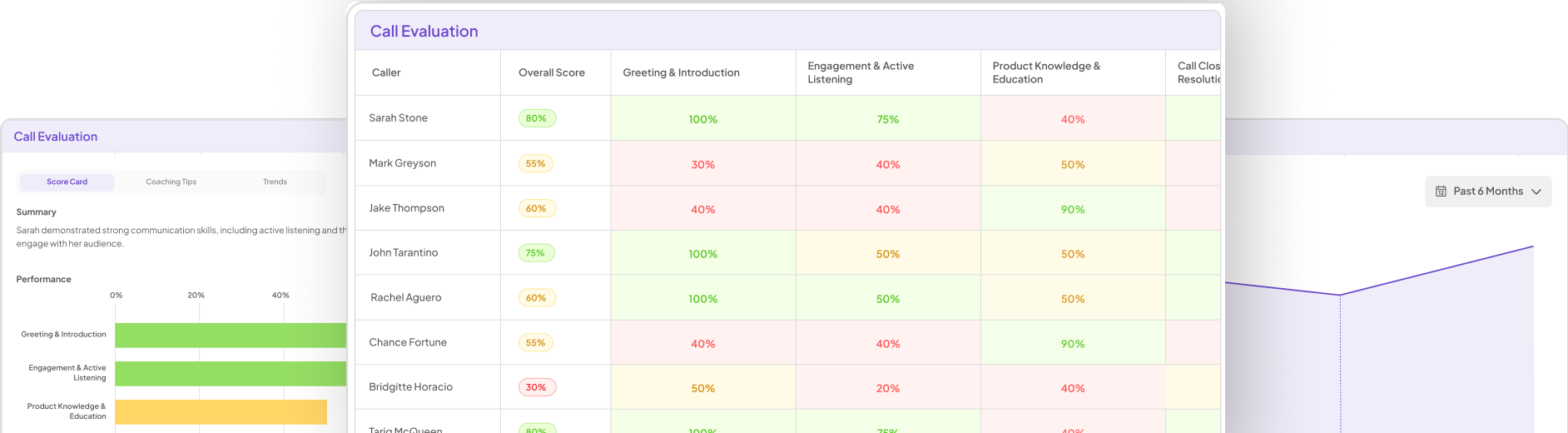
Adapting vocabulary with AI feedback involves several key components. First, AI tools automatically evaluate customer interactions, scoring them against custom quality criteria. This evaluation includes detecting sentiment, empathy, and resolution effectiveness, allowing representatives to understand how their language impacts customer experiences. For instance, if an agent's tone is perceived as too formal or distant, AI can flag this and suggest more empathetic alternatives. This immediate feedback loop enables agents to adjust their vocabulary on the fly, ensuring that their communication is both effective and engaging.
Moreover, AI-driven coaching recommendations provide personalized insights based on real conversations. By analyzing past interactions, AI can identify specific vocabulary patterns that resonate well with customers or highlight areas needing improvement. This targeted coaching helps representatives develop a more adaptable communication style, ultimately leading to better customer interactions. For example, if a representative frequently uses jargon that confuses customers, AI can recommend simpler alternatives, enhancing clarity and understanding.
The ability to adapt vocabulary is particularly crucial in a multilingual environment. With AI's multilingual support, representatives can receive feedback tailored to different languages and cultural contexts. This feature ensures that agents can communicate effectively with a global customer base, respecting cultural nuances and preferences in language use. As representatives become more adept at adjusting their vocabulary, they can foster stronger connections with customers, leading to improved satisfaction and loyalty.
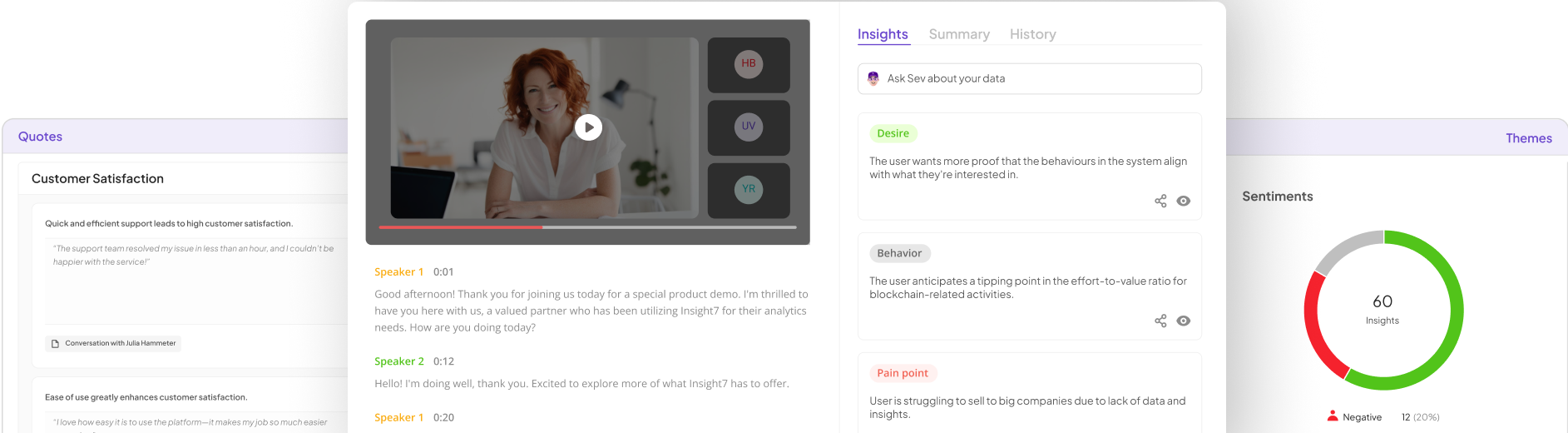
Another significant advantage of using AI feedback is the ability to uncover recurring customer pain points and sentiment trends. By analyzing conversations, AI can identify common issues that customers face, allowing representatives to proactively address these concerns in their communication. For instance, if a particular product feature is frequently mentioned in negative contexts, agents can adapt their vocabulary to acknowledge these concerns and offer solutions, demonstrating empathy and understanding.
Furthermore, AI's opportunity detection capabilities enable representatives to identify upsell and cross-sell moments during interactions. By analyzing customer responses and sentiment, AI can suggest when to introduce additional products or services that align with customer needs. This strategic use of vocabulary not only enhances the customer experience but also drives revenue growth for the organization.
In summary, adapting vocabulary with AI feedback is an essential skill for call center representatives. By leveraging AI-powered call analytics, agents can refine their communication styles, ensuring they resonate with customers and address their needs effectively. This approach not only improves service quality but also empowers representatives to identify opportunities for upselling and enhance overall customer satisfaction. As AI technology continues to evolve, integrating its feedback into daily interactions will be crucial for call center teams aiming to thrive in a competitive landscape.
Comparison Table
Comparison Table
Adapting vocabulary with AI feedback is a game-changer for call center representatives. This approach allows agents to refine their communication styles based on real-time insights, enhancing customer interactions. AI-powered call analytics automatically evaluate conversations, scoring them on tone, empathy, and resolution effectiveness. This ensures that representatives can adjust their vocabulary to better resonate with diverse customer needs. Additionally, AI-driven coaching provides personalized feedback, helping agents identify effective language patterns and areas for improvement. The multilingual support of AI tools further enables representatives to communicate effectively across cultural contexts. By leveraging AI feedback, call center teams can improve service quality, enhance customer satisfaction, and uncover upsell opportunities, ultimately driving revenue growth.
Selection Criteria
Adapting vocabulary with AI feedback is a crucial skill for call center representatives, enhancing their ability to communicate effectively with diverse customers. By leveraging AI-powered call analytics, agents can receive real-time insights that help them refine their language, ensuring it resonates with customer needs and expectations. This process involves automatic evaluations of customer interactions, scoring them on tone, empathy, and resolution effectiveness. Such evaluations allow representatives to adjust their vocabulary dynamically, improving customer satisfaction and engagement.
AI-driven coaching recommendations provide personalized feedback based on actual conversations, helping agents identify effective language patterns and areas for improvement. For instance, if an agent's tone is too formal, AI can suggest more empathetic alternatives, fostering a more relatable interaction. Additionally, AI's multilingual support enables representatives to communicate effectively across different cultural contexts, enhancing their adaptability in a global marketplace.
Moreover, AI tools can uncover recurring customer pain points and sentiment trends, allowing representatives to proactively address concerns in their communication. By recognizing common issues, agents can adjust their vocabulary to demonstrate empathy and understanding, which is vital for building customer trust. Furthermore, AI's opportunity detection capabilities help identify upsell and cross-sell moments during interactions, enabling representatives to introduce relevant products or services seamlessly.
In summary, adapting vocabulary with AI feedback empowers call center representatives to enhance their communication skills, improve service quality, and drive revenue growth. As AI technology continues to evolve, integrating its feedback into daily interactions will be essential for call center teams striving to excel in a competitive landscape.
Implementation Guide
Adapting vocabulary with AI feedback is essential for call center representatives aiming to enhance their communication skills and improve customer interactions. By utilizing AI-powered call analytics, agents can receive real-time insights into their conversations, allowing them to adjust their language and tone to better resonate with diverse customer needs. This process involves automatic evaluations of customer interactions, scoring them on key metrics such as empathy and resolution effectiveness.
AI-driven coaching recommendations provide personalized feedback based on actual conversations, helping agents identify effective language patterns and areas for improvement. For instance, if an agent's tone is too formal, AI can suggest more relatable alternatives, fostering a more engaging interaction. Additionally, the multilingual support of AI tools enables representatives to communicate effectively across different cultural contexts, enhancing their adaptability in a global marketplace.
Moreover, AI tools can uncover recurring customer pain points and sentiment trends, allowing representatives to proactively address concerns in their communication. By recognizing common issues, agents can adjust their vocabulary to demonstrate empathy and understanding, which is vital for building customer trust. Furthermore, AI's opportunity detection capabilities help identify upsell and cross-sell moments during interactions, enabling representatives to introduce relevant products or services seamlessly.
In summary, adapting vocabulary with AI feedback empowers call center representatives to refine their communication skills, improve service quality, and drive revenue growth. As AI technology continues to evolve, integrating its feedback into daily interactions will be essential for call center teams striving to excel in a competitive landscape.
Frequently Asked Questions
Frequently Asked Questions
Q: How can AI feedback help call center representatives improve their vocabulary?
A: AI feedback provides real-time insights into customer interactions, allowing representatives to adjust their language and tone to better resonate with diverse customer needs, enhancing communication effectiveness.
Q: What specific skills can representatives develop by adapting their vocabulary with AI?
A: By adapting their vocabulary, representatives can improve empathy, tone, and resolution effectiveness, leading to more engaging and relatable customer interactions.
Q: How does AI evaluate call center conversations?
A: AI automatically evaluates conversations by scoring them against custom quality criteria, detecting sentiment, and assessing empathy, providing unbiased insights for improvement.
Q: Can AI help identify upsell opportunities during customer interactions?
A: Yes, AI tools can detect upsell and cross-sell moments in real-time, enabling representatives to introduce relevant products or services seamlessly during conversations.
Q: Is multilingual support available for adapting vocabulary with AI feedback?
A: Absolutely! AI tools offer multilingual support, allowing representatives to communicate effectively across different cultural contexts, enhancing adaptability in a global marketplace.