

Call center customer service skills training on step-by-step explanations
-
 Bella Williams
 - 10 min read

Call center customer service skills training is essential for enhancing the effectiveness of customer interactions. This training involves a systematic, step-by-step approach that equips agents with the necessary skills to handle various customer scenarios effectively. Key components include active listening, empathy, problem-solving, and the ability to utilize AI tools for improved service delivery. By breaking down training into manageable steps, organizations can foster a culture of continuous improvement, ensuring that agents not only meet but exceed customer expectations. This article will explore the importance of structured training, the specific skills required, and how to implement a comprehensive training program that leverages AI-powered analytics to enhance performance and customer satisfaction.
Step-by-Step Call Center Customer Service Skills Training
Call center customer service skills training is crucial for enhancing the quality of customer interactions. A step-by-step approach to training allows agents to develop essential skills systematically, ensuring they are well-equipped to handle various customer scenarios. This training focuses on key competencies such as active listening, empathy, problem-solving, and the effective use of AI tools. By breaking down the training process into manageable steps, organizations can foster a culture of continuous improvement, enabling agents to meet and exceed customer expectations.
To begin with, the training should start with a foundational understanding of the core skills required for effective customer service. Agents should be introduced to active listening techniques, which involve fully concentrating on what the customer is saying, understanding their message, and responding thoughtfully. This skill is vital for building rapport and trust with customers, as it demonstrates that the agent values their concerns.
Next, empathy training is essential. Agents should learn to recognize and respond to customer emotions appropriately. This involves understanding the customer's perspective and validating their feelings, which can significantly enhance the customer experience. Role-playing exercises can be beneficial here, allowing agents to practice empathetic responses in a controlled environment.
Problem-solving skills should also be a focus of the training. Agents need to be equipped with strategies to address customer issues effectively. This includes identifying the root cause of a problem, exploring potential solutions, and guiding the customer toward a resolution. Training sessions can incorporate real-life scenarios that agents may encounter, enabling them to apply their problem-solving skills in practical situations.
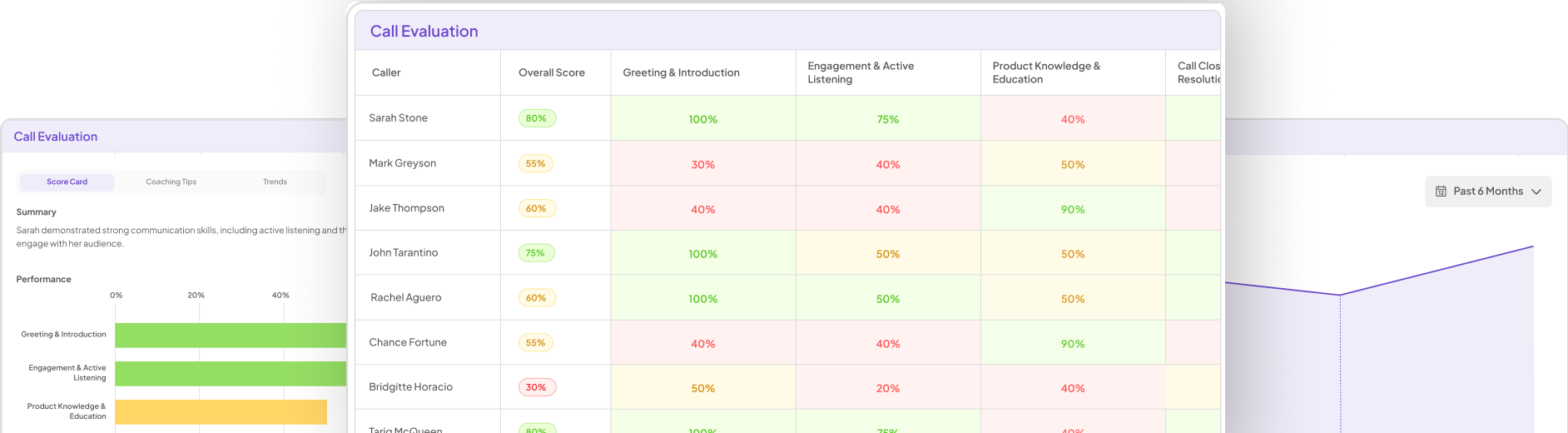
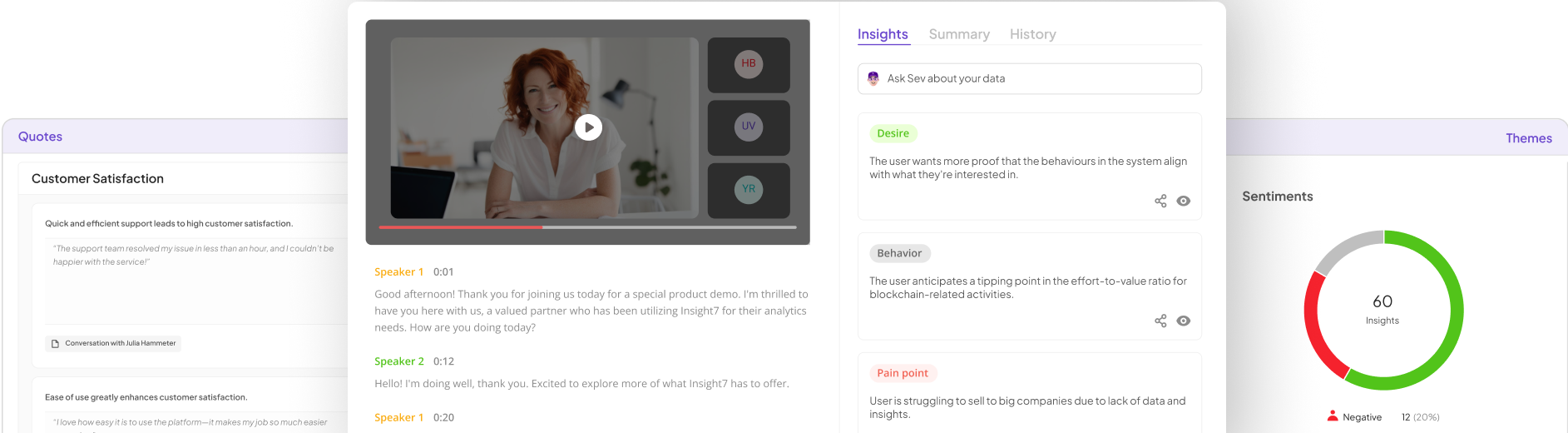
Incorporating AI tools into the training process is another critical step. Agents should be trained on how to utilize AI-powered analytics platforms, such as Insight7, which can automatically evaluate customer interactions. Understanding how to leverage AI for call evaluation helps agents receive real-time feedback on their performance, including metrics on tone, empathy, and resolution effectiveness. This not only aids in personal development but also enhances the overall quality of customer service.
Continuous coaching and performance management are vital components of the training program. Organizations should implement a system for tracking agent performance over time, identifying skill gaps, and providing targeted coaching recommendations. This ensures that agents receive ongoing support and guidance, allowing them to improve continuously.
To further enhance the training program, organizations can utilize performance dashboards to visualize trends across agents and teams. This data-driven approach helps leaders identify areas for improvement and recognize high-performing agents, fostering a culture of excellence within the team.
Finally, it is essential to monitor the effectiveness of the training program regularly. Gathering feedback from agents and customers can provide valuable insights into the training's impact on service quality. Organizations should be open to refining their training methods based on this feedback to ensure they remain relevant and effective.
In summary, a step-by-step call center customer service skills training program should encompass active listening, empathy, problem-solving, and the effective use of AI tools. By fostering a culture of continuous improvement and utilizing data-driven insights, organizations can enhance their customer service capabilities and drive overall satisfaction.
Comparison Table
Call center customer service skills training is vital for enhancing the quality of customer interactions. A step-by-step approach ensures that agents systematically develop essential skills such as active listening, empathy, problem-solving, and the effective use of AI tools. This structured training fosters a culture of continuous improvement, empowering agents to meet and exceed customer expectations.
The training begins with foundational skills, focusing on active listening techniques that help agents fully engage with customers. Next, empathy training equips agents to recognize and respond to customer emotions, enhancing the overall experience. Problem-solving skills are also emphasized, allowing agents to efficiently address customer issues through practical scenarios. Incorporating AI tools like Insight7 into training provides agents with real-time feedback on their performance, further enhancing service quality. Continuous coaching and performance management, supported by data-driven insights, ensure ongoing development and improvement. Regular monitoring of training effectiveness through feedback helps refine methods, keeping them relevant and impactful.
In summary, a comprehensive training program that emphasizes these key competencies will significantly enhance customer service capabilities and drive satisfaction.
Selection Criteria
Selection Criteria
When selecting a call center customer service skills training program, it is essential to focus on step-by-step explanations that enhance agent capabilities. The training should begin with foundational skills, emphasizing active listening techniques to ensure agents fully engage with customers. Next, empathy training is crucial, enabling agents to recognize and respond to customer emotions effectively. Problem-solving skills must also be integrated, allowing agents to address customer issues through practical scenarios.
Additionally, incorporating AI tools, such as Insight7, into the training process is vital for providing real-time feedback on performance metrics like tone and empathy. Continuous coaching and performance management should be part of the program, ensuring agents receive ongoing support. Finally, regular monitoring of the training's effectiveness through feedback will help refine methods and maintain relevance in enhancing customer service quality.
Implementation Guide
Implementing call center customer service skills training through step-by-step explanations is essential for enhancing agent performance and customer satisfaction. This structured approach begins with foundational skills, such as active listening, which enables agents to engage fully with customers. Following this, empathy training equips agents to recognize and respond to customer emotions effectively, fostering a more positive interaction.
Next, problem-solving skills are integrated into the training, allowing agents to address customer issues through practical scenarios. Incorporating AI tools like Insight7 into the training process provides real-time feedback on performance metrics, such as tone and empathy, further enhancing service quality. Continuous coaching and performance management ensure agents receive ongoing support, while regular monitoring of training effectiveness through feedback helps refine methods and maintain relevance in improving customer service quality. This comprehensive training program ultimately empowers agents to meet and exceed customer expectations.
Frequently Asked Questions
Q: What is the importance of step-by-step explanations in call center customer service skills training?
A: Step-by-step explanations are crucial as they provide a structured learning approach, enabling agents to master foundational skills like active listening, empathy, and problem-solving effectively.
Q: How does active listening enhance customer service skills?
A: Active listening allows agents to fully engage with customers, ensuring they understand their needs and concerns, which leads to more effective resolutions and improved customer satisfaction.
Q: Why is empathy training essential in call center training programs?
A: Empathy training equips agents to recognize and respond to customer emotions, fostering positive interactions and building trust, which is vital for customer retention.
Q: How can AI tools like Insight7 support customer service training?
A: AI tools like Insight7 provide real-time feedback on performance metrics such as tone and empathy, helping agents refine their skills continuously and enhance service quality.
Q: What role does continuous coaching play in training effectiveness?
A: Continuous coaching ensures that agents receive ongoing support and personalized feedback, allowing them to improve over time and adapt to changing customer needs.
Q: How can training programs measure their effectiveness?
A: Training programs can measure effectiveness through regular feedback from agents and customers, monitoring performance metrics, and adjusting training methods based on identified gaps and successes.