

Call center agent skills development: Resilience for remote teams
-
 Bella Williams
 - 10 min read

In today's fast-paced and often remote work environment, call center agents must develop resilience to thrive. This article explores essential skills for fostering resilience among remote teams, emphasizing the importance of emotional intelligence, adaptability, and effective communication. By leveraging AI-powered tools like Insight7, leaders can identify trends, coach team members, and enhance training programs to support their agents. This approach not only improves individual performance but also strengthens team dynamics, ensuring that agents can navigate challenges with confidence. As we delve into strategies for building resilience, we will highlight practical techniques and insights that empower agents to handle stress, maintain motivation, and deliver exceptional customer experiences, ultimately driving organizational success.
Essential Skills for Resilience in Remote Call Center Teams
In the evolving landscape of remote work, call center agents face unique challenges that require resilience to navigate effectively. Developing resilience in remote teams is essential for maintaining high performance and ensuring exceptional customer experiences. This article will explore key skills that contribute to resilience among remote call center agents, emphasizing emotional intelligence, adaptability, and effective communication. By leveraging AI-powered tools like Insight7, leaders can identify trends, coach team members, and enhance training programs to support their agents. This multifaceted approach not only boosts individual performance but also strengthens team dynamics, enabling agents to handle stress, maintain motivation, and deliver outstanding service.
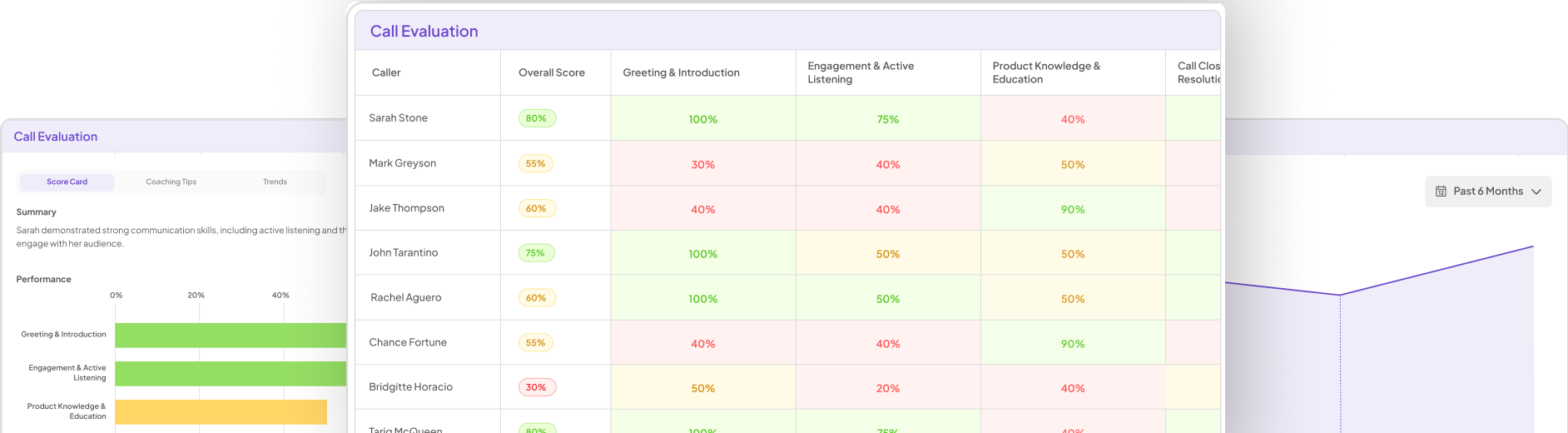
Building resilience in remote call center teams starts with fostering emotional intelligence. Agents must be able to recognize and manage their emotions while empathizing with customers. This skill is crucial for navigating difficult conversations and maintaining a positive attitude, even in challenging situations. Insight7’s AI-powered call analytics can help agents improve their emotional intelligence by providing insights into customer sentiment and interaction effectiveness. By analyzing calls for empathy and resolution quality, agents can receive targeted feedback that enhances their ability to connect with customers on a deeper level.
Adaptability is another essential skill for resilience in remote call center teams. The ability to adjust to changing circumstances, whether it’s a new technology or evolving customer expectations, is vital for success. Remote agents must be open to learning and willing to embrace new tools and processes. Insight7’s performance management features can assist in this area by tracking agent performance over time and identifying skill gaps. By offering personalized coaching recommendations based on real conversations, leaders can empower agents to adapt and thrive in a dynamic environment.
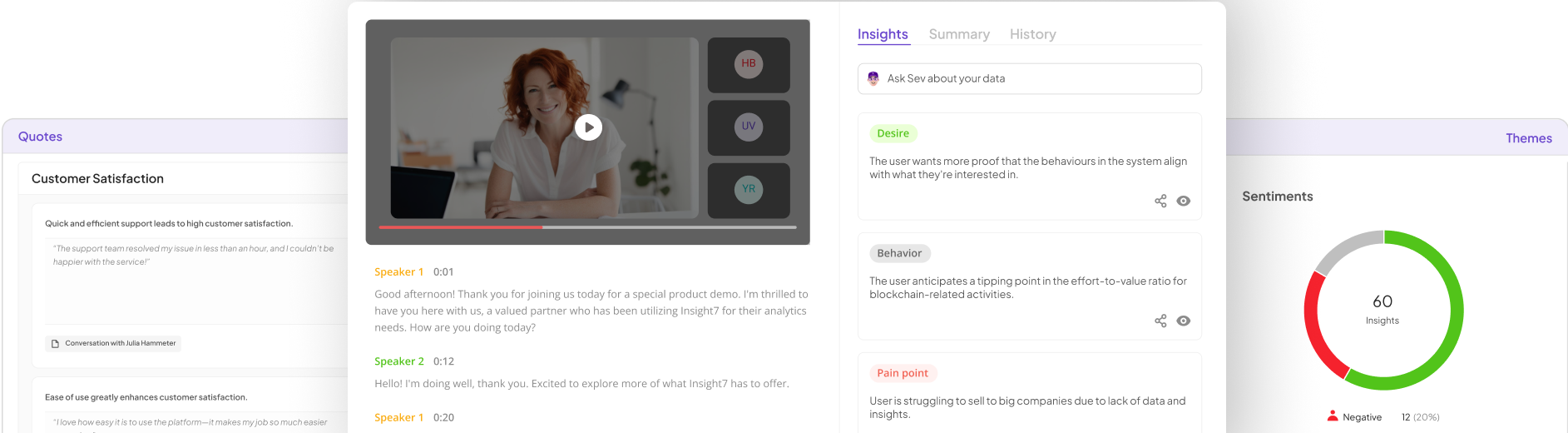
Effective communication is the cornerstone of resilience in remote teams. Clear, concise communication helps prevent misunderstandings and fosters collaboration among team members. Agents should be trained to express their thoughts clearly and listen actively to customers and colleagues. Utilizing AI-driven tools like Insight7 can enhance communication by providing real-time feedback on tone and clarity during customer interactions. This feedback enables agents to refine their communication skills, ensuring they convey empathy and professionalism in every conversation.
In addition to these core skills, creating a supportive remote work environment is crucial for building resilience. Leaders should prioritize regular check-ins, mental health resources, and team-building activities to foster a sense of community among remote agents. By nurturing a culture of support and collaboration, organizations can help agents feel more connected and engaged, ultimately enhancing their resilience.
Moreover, ongoing training and development are vital for sustaining resilience in remote call center teams. Organizations should invest in training programs that focus on stress management, coping strategies, and skill enhancement. By providing agents with the tools and resources they need to succeed, companies can create a resilient workforce capable of navigating the challenges of remote work.
In conclusion, developing resilience among remote call center agents requires a multifaceted approach that emphasizes emotional intelligence, adaptability, and effective communication. By leveraging AI-powered tools like Insight7, organizations can provide targeted coaching and support that empowers agents to thrive in a remote environment. By fostering a supportive culture and investing in ongoing training, companies can ensure their teams are well-equipped to handle the demands of the modern call center landscape, ultimately driving organizational success.
Comparison Table
In today's rapidly evolving remote work environment, developing resilience among call center agents is crucial for maintaining high performance and delivering exceptional customer experiences. This article will explore essential skills that foster resilience, including emotional intelligence, adaptability, and effective communication. By leveraging AI-powered tools like Insight7, organizations can provide targeted coaching and support, empowering agents to navigate challenges confidently. Additionally, creating a supportive remote work culture and investing in ongoing training are vital for sustaining resilience. These strategies not only enhance individual performance but also strengthen team dynamics, ensuring that agents can handle stress and maintain motivation in a dynamic landscape.
Emotional intelligence is foundational for resilience, enabling agents to manage their emotions and empathize with customers. Insight7’s AI-powered analytics can enhance this skill by providing insights into customer sentiment and interaction effectiveness. Adaptability is equally important; agents must be open to learning and embracing new technologies. Insight7’s performance management features help track agent performance and identify skill gaps, offering personalized coaching recommendations to facilitate growth. Effective communication is essential for preventing misunderstandings and fostering collaboration. AI-driven tools like Insight7 provide real-time feedback on tone and clarity, helping agents refine their communication skills.
Creating a supportive remote work environment is vital for resilience. Regular check-ins, mental health resources, and team-building activities foster a sense of community among remote agents. Ongoing training focused on stress management and coping strategies equips agents with the tools they need to succeed. In conclusion, a multifaceted approach emphasizing emotional intelligence, adaptability, and effective communication, supported by AI tools like Insight7, is essential for developing resilience in remote call center teams. By nurturing a supportive culture and investing in training, organizations can ensure their teams are well-equipped to thrive in the modern call center landscape.
Selection Criteria
Selection Criteria
To effectively develop resilience among remote call center agents, several key skills must be prioritized. First, emotional intelligence is crucial; agents need to manage their emotions and empathize with customers, especially during challenging interactions. Second, adaptability is essential as agents must embrace new technologies and processes to thrive in a dynamic environment. Third, effective communication is vital for preventing misunderstandings and fostering collaboration within teams. Utilizing AI-powered tools like Insight7 can significantly enhance these skills by providing real-time feedback and personalized coaching insights. Additionally, creating a supportive remote work culture through regular check-ins and ongoing training will further empower agents to build resilience. Together, these criteria ensure that remote teams can navigate challenges and maintain high performance.
Implementation Guide
To develop resilience among remote call center agents, organizations should focus on enhancing emotional intelligence, adaptability, and effective communication skills. Emotional intelligence enables agents to manage their emotions and empathize with customers, particularly during challenging interactions. Adaptability is crucial as agents must embrace new technologies and processes in a dynamic work environment. Effective communication is vital for preventing misunderstandings and fostering collaboration within teams.
Leveraging AI-powered tools like Insight7 can significantly enhance these skills by providing real-time feedback and personalized coaching insights. Additionally, creating a supportive remote work culture through regular check-ins, mental health resources, and ongoing training will empower agents to build resilience. By prioritizing these strategies, organizations can ensure their remote teams navigate challenges effectively while maintaining high performance.
Frequently Asked Questions
Q: What skills are essential for developing resilience in remote call center agents?
A: Essential skills include emotional intelligence, adaptability, and effective communication. These skills help agents manage their emotions, embrace new technologies, and foster collaboration within teams.
Q: How can AI tools like Insight7 support skill development for remote teams?
A: Insight7 provides real-time feedback and personalized coaching insights, which enhance agents' emotional intelligence and communication skills, ultimately helping them adapt to challenges more effectively.
Q: Why is emotional intelligence important for call center agents?
A: Emotional intelligence allows agents to manage their emotions and empathize with customers, particularly during challenging interactions, leading to improved customer satisfaction and team dynamics.
Q: What role does adaptability play in a remote call center environment?
A: Adaptability is crucial as it enables agents to embrace new technologies and processes, ensuring they can thrive in a dynamic work environment and respond effectively to changing customer needs.
Q: How can organizations create a supportive culture for remote call center agents?
A: Organizations can foster a supportive culture by implementing regular check-ins, providing mental health resources, and offering ongoing training, which empowers agents to build resilience and maintain high performance.