




In the ever-evolving landscape of business, understanding buyer behavior has become paramount. Buyer interview insights offer a crucial lens through which organizations can view their customers' motivations and needs. By grasping these insights, companies can adjust their strategies, ensuring they resonate more with their target audience.
Diving into buyer interview insights helps reveal patterns and pain points that may not be visible through traditional data analysis. These insights are not merely statistical; they provide qualitative depth that can guide product development, marketing, and customer engagement strategies. By effectively unlocking and interpreting this valuable information, businesses position themselves for lasting success in a competitive marketplace.
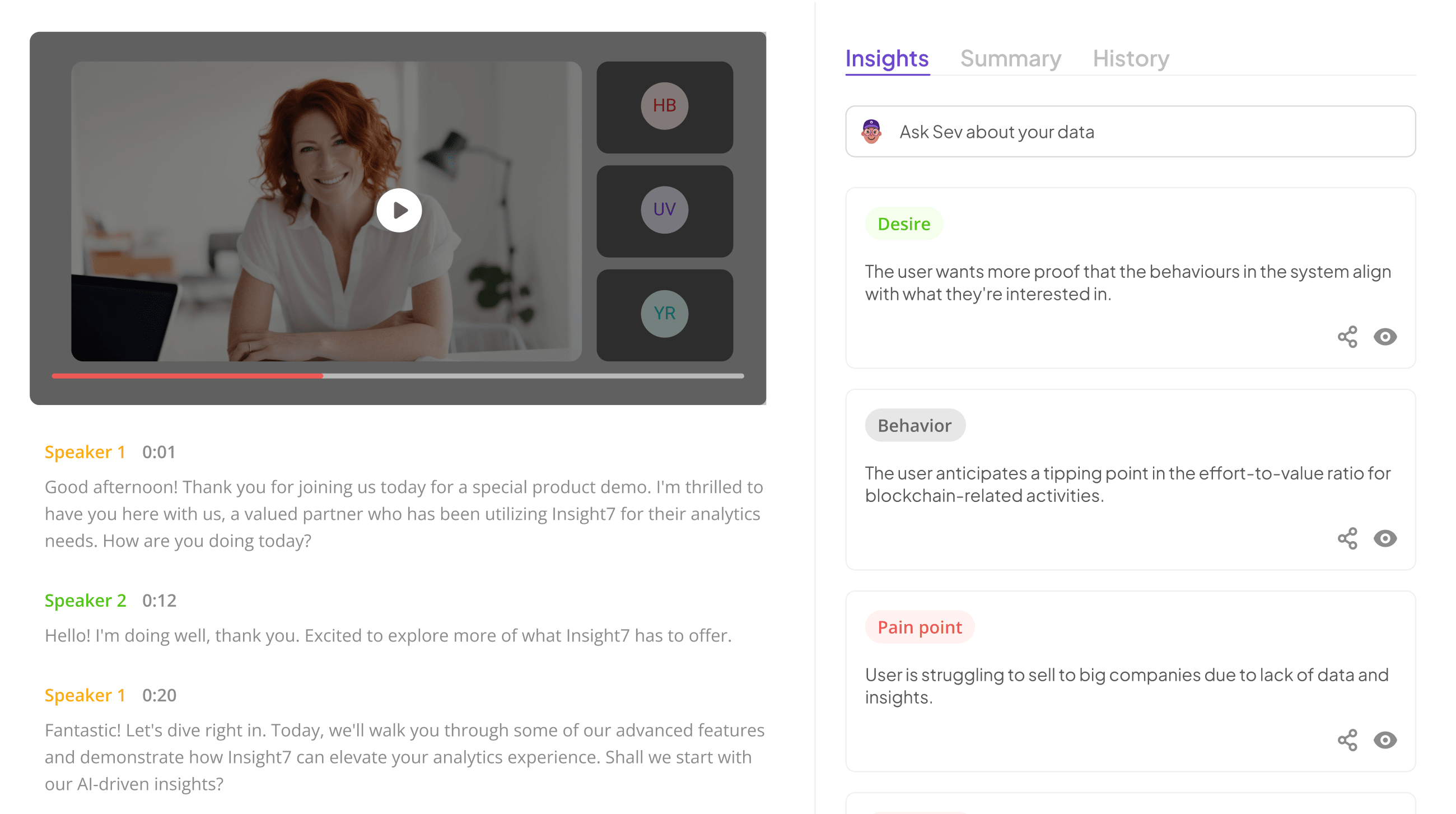
Buyer Interview Insights: The Importance of Understanding Buyer Needs
Understanding buyer needs is fundamental in crafting effective strategies and solutions. Buyer interview insights allow businesses to gather vital information that drives decision-making. By directly engaging with buyers, organizations can uncover pain points, preferences, and motivations crucial for product development and customer satisfaction.
When conducting interviews, it's essential to create an environment where buyers feel comfortable sharing their thoughts. This trust leads to richer insights, enabling companies to adjust their offerings to meet expectations. By analyzing patterns in buyer feedback, organizations can identify commonalities and anticipate future trends. The result is enhanced engagement and more tailored solutions that resonate with the target audience. Ultimately, the quest for understanding buyer needs not only builds customer loyalty but also positions a company as a trustworthy market leader.
Step 1: Setting Clear Objectives for Buyer Interview Insights
Setting clear objectives is the cornerstone of effective buyer interview insights. Begin by identifying what you want to learn from these interviews. Are you seeking to understand buyer motivations, clarify challenges, or assess product features? Clearly defined objectives allow you to focus your interviews, making discussions more productive and targeted. This clarity will also guide the development of questions tailored to extract valuable information.
Consider developing measurable outcomes based on your objectives. For instance, aim to determine the percentage of buyers who value specific product features or understand common buyer objections. These metrics will provide tangible insights that can inform strategic decisions. Ultimately, taking the time to set clear objectives not only sharpens your interview focus but also enhances the quality of insights you gather, laying a strong foundation for future analysis.
Step 2: Crafting the Right Questions for Buyer Interview Insights
Crafting the right questions is a crucial step in gathering buyer interview insights. Well-constructed questions not only elicit more meaningful responses but also foster a comfortable environment for conversation. Begin by focusing on the “who,” “how,” and “why” behind the buyer’s decisions. Open-ended questions work best, prompting buyers to share detailed experiences and thought processes. This approach encourages a dialogue rather than a simple question-and-answer scenario.
Consider segmenting your questions into three main categories: Motivation, Challenges, and Expectations. For motivation, ask what drives their purchasing choices. Understanding challenges helps uncover barriers they face that your product can address. Finally, tapping into expectations reveals how they envision your product fitting into their needs. By strategically crafting these questions, you can unlock vital insights that inform your strategy and align your offerings more closely with buyer needs.
[ hfe_template id=22694]Buyer Interview Insights: Analyzing Data & Extracting Key Patterns
Analyzing data from buyer interviews is essential for extracting meaningful insights that drive business strategies. By organizing and categorizing the gathered information, you can identify specific themes and pain points highlighted by customers. This structured approach helps illuminate key issues that need addressing. Focused analysis allows you to collate responses into categories, making it easier to recognize overarching trends in buyer behavior.
As you delve into the data, look for consistent patterns across different interviews. These patterns can shed light on common challenges buyers face and their expectations from products or services. Summarizing these insights provides a clear view of the main takeaways from your interviews. Employing visual tools can further enhance understanding and help present findings effectively. Ultimately, the ability to interpret buyer interview insights accurately is crucial for refining products, enhancing customer relationships, and maintaining a competitive edge.
Step 1: Organizing and Categorizing Buyer Interview Insights Data
Organizing and categorizing buyer interview insights data is the cornerstone of effective analysis. By first gathering transcripts from buyer interviews, you can create an organized framework to make sense of the information. This fundamental step involves compiling notes and highlights from various interviews into a centralized project, allowing you to identify recurring themes and observations easily. For instance, grouping insights by month or topic can reveal significant trends over time, highlighting what buyers consistently express.
Once data is organized, the next step is categorizing insights based on specific criteria like pain points, needs, and preferences. A matrix can aid in summarizing data, allowing you to quantify insights by percentage, such as how many participants mentioned a particular challenge. This structured approach helps visualize the critical themes across numerous interviews, making it easier to generate actionable reports and tailor your strategies in response to buyer feedback. Organizing insights not only clarifies the narrative but also empowers decision-making based on buyer perspectives.
Step 2: Identifying Trends and Patterns in Buyer Interview Insights
Analyzing buyer interview insights involves sifting through the information collected during interviews to identify distinct trends and patterns. By reviewing transcripts or notes, you can begin to highlight recurring themes that reflect the thoughts and behaviors of buyers. For instance, a specific pain point may emerge frequently, indicating a collective challenge faced by your target audience. Tracking these insights over time can enhance your understanding of evolving customer needs.
To effectively identify trends within buyer interview insights, consider the following steps:
- Extract Key Themes: Group similar insights to form overarching themes, making it easier to analyze the data collectively.
- Quantify Responses: Calculate the percentage of participants mentioning specific topics. This quantification helps emphasize critical issues that require attention.
- Visualize Data: Use graphs or charts to represent your findings visually, facilitating a clearer understanding of the patterns identified.
These methods, when thoughtfully applied, can transform initial insights into actionable strategies that resonate with your audience.
Top Tools for Effective Buyer Interview Analysis
When it comes to uncovering valuable Buyer Interview Insights, having the right tools can make a significant difference. Several platforms have emerged to streamline analysis, ensuring that critical information from customer interviews is effectively captured and understood. One of the standout choices is Dovetail, which enables comprehensive data analysis. It helps teams organize critical insights seamlessly. Another noteworthy option is Qualaroo, designed to gather customer feedback right during the interview process, making it easier to understand buyer perspectives.
Typeform simplifies data collection through engaging surveys that encourage participation. Lookback offers interactive analysis of recorded interviews, allowing users to review and extract pertinent insights effectively. Lastly, Discuss.io provides real-time interaction features that enable dynamic discussions and rapid insight gathering. By utilizing these tools, companies can transform buyer interviews into powerful actionable insights, fostering improved decision-making and strategic advantage.
Insight7: Leading the Way in Buyer Interview Analysis
In the realm of Buyer Interview Analysis, insights derived from customer interactions play a pivotal role in shaping business strategies. Uncovering these Buyer Interview Insights can significantly influence decision-making processes. Through effective analysis, businesses can convert raw data into actionable strategies that resonate with the needs and preferences of their target audience.
The process of conducting buyer interviews extends beyond mere conversations. It involves extracting meaningful patterns and signals that inform product development and marketing strategies. Key elements to focus on include thorough preparation, active listening, and follow-up questions that encourage deeper insights. By emphasizing the importance of a structured approach, organizations can enhance the effectiveness of their interviews and successfully translate insights into tangible actions. Ultimately, the goal is to empower teams to make informed decisions through comprehensive analysis of buyer interviews, ensuring they remain competitive in a rapidly changing market.
Additional Essential Tools for Buyer Interview Insights
In the search for insightful Buyer Interview Insights, various essential tools can enhance the analysis process significantly. Dovetail stands out by offering comprehensive data analysis, enabling users to sift through interview outcomes effectively. This platform helps turn raw qualitative data into actionable insights, making it easier to identify customer sentiments.
Qualaroo offers another angle by facilitating real-time customer feedback through embedded surveys within your product. This tool captures insights as buyers interact with your offerings, ensuring feedback is contextually relevant. Typeform takes a more user-friendly approach, simplifying data collection through engaging questionnaires that encourage completion. For those conducting live interactions, Lookback allows researchers to record and analyze buyer interviews in real-time, ensuring vital responses aren’t missed. Lastly, Discuss.io enables real-time collaboration among team members, promoting rapid insight-sharing during interviews. Utilizing these tools will streamline your analysis and lead to richer Buyer Interview Insights.
- Dovetail: Comprehensive Data Analysis for Buyer Interview
Comprehensive data analysis is essential for extracting meaningful Buyer Interview Insights. Using advanced platforms enhances the process of aggregating and examining data gathered from various discussions with buyers. By effectively analyzing these data sets, organizations can uncover valuable patterns and insights that aid in understanding their audience better.
The process typically begins with the transcription of recorded buyer interviews, transforming spoken content into text. From there, teams can categorize responses based on themes or sentiments, allowing for a clearer view of trends across multiple interviews. This structured analysis empowers organizations to identify crucial buyer preferences and pain points, promoting strategic decision-making. Additionally, the ability to create real-time reports fosters ongoing conversations with stakeholders, ensuring that the insights derived are not only informative but also actionable in adapting to market demands.
- Qualaroo: Customer Feedback through Buyer Interview
Gaining customer feedback through effective buyer interviews is crucial for uncovering valuable insights. Utilizing specialized tools allows businesses to capture and analyze customer conversations efficiently. By implementing a system for collecting feedback, organizations can streamline data analysis and gain actionable Buyer Interview Insights.
Through structured interviews, you can identify recurring themes that reflect customers’ needs and pain points. This data not only helps in refining products and services but also enhances customer engagement strategies. Furthermore, using a platform designed for this purpose increases collaboration among teams, allowing for real-time insights and quicker decision-making processes.
In essence, harnessing technology to conduct buyer interviews transforms feedback into strategic advantages. This method ensures that organizations not only listen but also act upon customer needs effectively, positioning them ahead of the competition. The key is to continuously refine your approach based on ongoing insights from interviews, nurturing a customer-centric culture throughout your business.
- Typeform: Simplified Data Collection in Buyer Interviews
Typeform is an excellent tool for simplifying data collection during buyer interviews. It offers an intuitive interface for creating engaging surveys that encourage participants to share their insights openly. The beauty of Typeform lies in its design, which transforms typical questionnaires into interactive experiences. This engagement can lead to more thoughtful responses, ultimately providing richer buyer interview insights.
In using Typeform, users can customize their questions and formats, making the process flow seamlessly. Data collected can be quickly analyzed, allowing teams to identify trends and uncover key buyer sentiments. Features such as conditional logic help tailor questions based on previous responses, creating a dynamic dialogue. Consequently, businesses can not only gain insights into buyer preferences but also foster stronger connections through well-structured conversations. This tool makes it easier to transition from simply gathering data to understanding the underlying motivations and needs of buyers, paving the way for more effective strategies.
- Lookback: Interactive Analysis of Buyer Interviews
The Lookback platform offers a dynamic way to analyze Buyer Interview Insights, transforming conversations into actionable data. This tool empowers organizations to conduct interactive analysis, enabling real-time collaboration and insight generation from customer interactions. Using Lookback, teams can easily record, transcribe, and highlight key points from interviews. As a result, these insights can significantly influence product development, marketing strategies, and customer engagement efforts.
Understanding the interactive nature of Lookback is crucial for extracting meaningful Buyer Interview Insights. Users can dissect conversations, allowing for a thorough exploration of customer feedback. This approach not only identifies common themes but also illuminates gaps in understanding buyer needs. By harnessing this platform, businesses can adapt swiftly to customer signals, ensuring they remain competitive. Ultimately, Lookback provides the tools necessary to translate buyer insights into strategic actions that drive growth and loyalty.
- Discuss.io: Real-time Interaction for Buyer Interview Analysis
Real-time interaction in buyer interviews is a game-changer for gathering insights effectively. This approach enables teams to engage directly with customers, facilitating immediate feedback and deeper conversations. By incorporating video and interactive features, organizations can capture nuanced emotions and reactions, leading to richer Buyer Interview Insights.
Moreover, real-time analysis streamlines the process of turning raw data into actionable strategies. Traditional methods often fall short, resulting in scattered insights and slow insights delivery. By embracing a real-time interaction model, teams can foster collaboration and ensure that insights are documented and shared promptly. This integration not only enhances understanding of buyer needs but also positions organizations to respond more rapidly to market changes, thereby maintaining a competitive edge. Adopting such tools allows businesses to translate customer conversations into meaningful actions and strategies swiftly.
Conclusion: Leveraging Buyer Interview Insights for Strategic Advantage
Utilizing Buyer Interview Insights effectively can provide a significant competitive edge. By understanding your customers' needs, preferences, and pain points, businesses can tailor their strategies to resonate deeply with their target audience. This understanding allows for more informed decisions, aligning product development and marketing approaches with real buyer expectations and behaviors.
Moreover, systematic analysis of these insights transforms raw data into actionable strategies, driving effective collaboration across teams. Implementing efficient tools can streamline this analysis process, ultimately leading to faster, more impactful business decisions. Embracing these insights not only strengthens customer relationships but also positions companies as responsive and innovative market leaders.