
Building cultural competency in healthcare through AI patient simulations
-
 Bella Williams
 - 10 min read

Building cultural competency in healthcare is a pressing need, particularly as the healthcare landscape becomes increasingly diverse. Effective communication in healthcare settings requires not only medical knowledge but also cultural sensitivity and emotional intelligence. This is where AI patient simulations can play a transformative role, providing healthcare professionals with the tools they need to navigate complex emotional and cultural dynamics.
The Unique Complexity of Healthcare Conversations
Healthcare conversations are inherently complex and fraught with emotional weight. For patients and their families, discussions often revolve around life-altering decisions, health crises, and the anxiety that accompanies medical diagnoses. Patients may call in fear, vulnerability, and confusion, asking questions like, "Is this cancer?" or "Will I lose coverage?"
For healthcare contact center agents, the stakes are equally high. They must navigate HIPAA compliance while delivering difficult news, managing emotional responses, and providing reassurance. Traditional training often emphasizes medical terminology and compliance but neglects the emotional intelligence required to handle these sensitive situations effectively. AI patient simulations offer a unique solution, creating a safe space for agents to practice these challenging conversations.
How AI Coaching Enhances Cultural Competency
AI coaching through patient simulations provides a structured approach to developing cultural competency in healthcare. By simulating realistic patient interactions, healthcare professionals can practice responding to diverse patient backgrounds and cultural contexts.
Benefits of AI Coaching:
- Risk-Free Environment: Agents can practice difficult conversations without the pressure of real-life consequences, allowing them to make mistakes and learn from them.
- Immediate Feedback: AI can analyze conversations in real-time, providing agents with insights into their communication styles, empathy levels, and clarity.
- Personalized Learning: Each simulation can be tailored to reflect the specific cultural nuances of different patient populations, ensuring that agents are well-prepared for real-world interactions.
For example, a simulation might involve a patient from a different cultural background who has specific beliefs about medical treatment. The AI can guide the agent on how to approach the conversation with sensitivity, helping them to understand the patient's perspective and respond appropriately.
Implementation of AI Patient Simulations
Implementing AI patient simulations in healthcare organizations involves several key steps:
Preparation:
- Identify the specific cultural competencies that need to be developed within the team.
- Gather data on the patient populations served, including common cultural beliefs and practices that may affect healthcare interactions.
Execution:
- Utilize platforms like Insight7 to create customized AI simulations that reflect the cultural diversity of the patient population.
- Schedule regular training sessions where agents can engage with these simulations, focusing on different scenarios that require cultural sensitivity.
Evaluation:
- After each simulation, conduct a debriefing session where agents can reflect on their performance and discuss what worked and what didn’t.
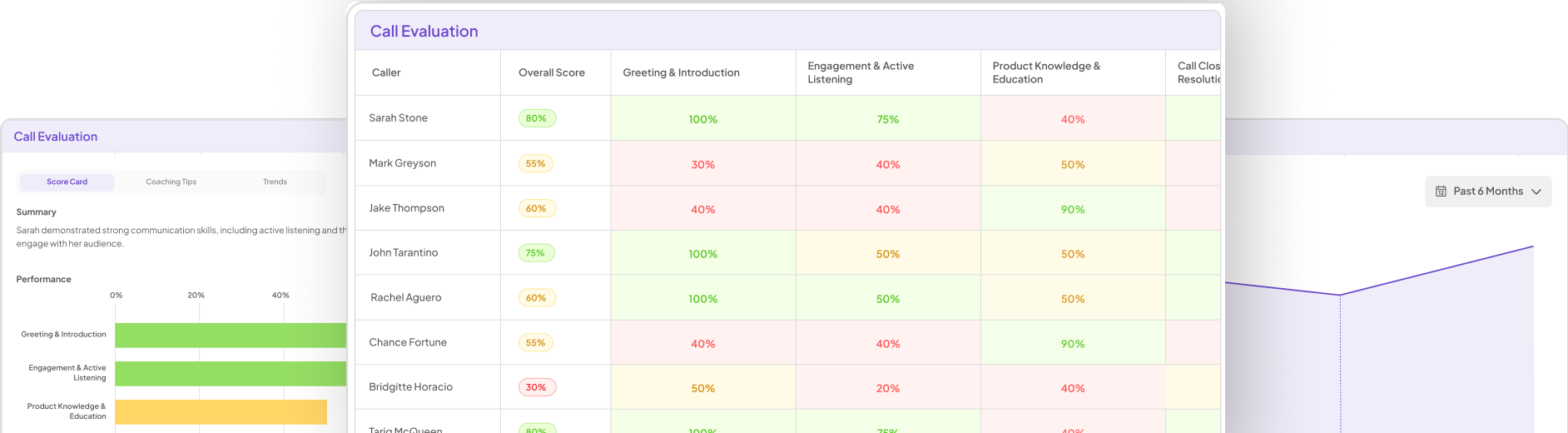
- Use AI analytics to assess areas for improvement, such as empathy scores and clarity of communication.
Iteration & Improvement:
- Continuously refine the simulations based on feedback from agents and changes in the patient population.
- Incorporate new cultural insights and best practices into the training materials to keep the content relevant and effective.
By following these steps, healthcare organizations can ensure that their teams are not only compliant with regulations but also equipped to provide compassionate, culturally competent care.
Practical Value of AI Simulations in Healthcare
The practical implications of using AI patient simulations extend beyond training. Organizations that invest in this technology can expect several tangible benefits:
- Increased Patient Satisfaction: When healthcare professionals communicate effectively and empathetically, patients feel heard and respected, leading to improved satisfaction scores.
- Reduced Miscommunication: By practicing with AI simulations, agents can learn to clarify misunderstandings and avoid potential conflicts that arise from cultural differences.
- Enhanced Team Performance: As agents build their skills in cultural competency, the overall performance of the healthcare team improves, leading to better patient outcomes.
Ultimately, the integration of AI patient simulations into healthcare training programs can lead to a more culturally competent workforce, capable of navigating the complexities of patient interactions with empathy and understanding.
Conclusion
Building cultural competency in healthcare is essential for providing high-quality patient care. AI patient simulations offer a powerful tool for training healthcare professionals, enabling them to practice and refine their communication skills in a safe, supportive environment. By investing in AI coaching, healthcare organizations can enhance their team's ability to connect with diverse patient populations, ultimately leading to improved patient satisfaction and outcomes. As the healthcare landscape continues to evolve, embracing these innovative training solutions will be crucial for success.