




AI Quality Monitoring introduces a transformational shift in call centers, enabling managers to gauge performance with unprecedented accuracy and efficiency. By harnessing advanced technologies, organizations can automatically analyze calls, ensuring that agents adhere to training protocols and that customer interactions meet quality standards. This not only streamlines the evaluation process but also empowers staff to focus on enhancing customer experiences rather than spending time on manual assessments.
The potential of AI in quality monitoring extends beyond simple scorekeeping. It offers insights into customer behavior, preferences, and pain points by analyzing the language used in conversations. This capability allows call centers to tailor training and resources, aligning them with real-time data and customer demands. Ultimately, AI Quality Monitoring enhances operational efficiency and ensures a consistently high level of service, positioning organizations for future success.
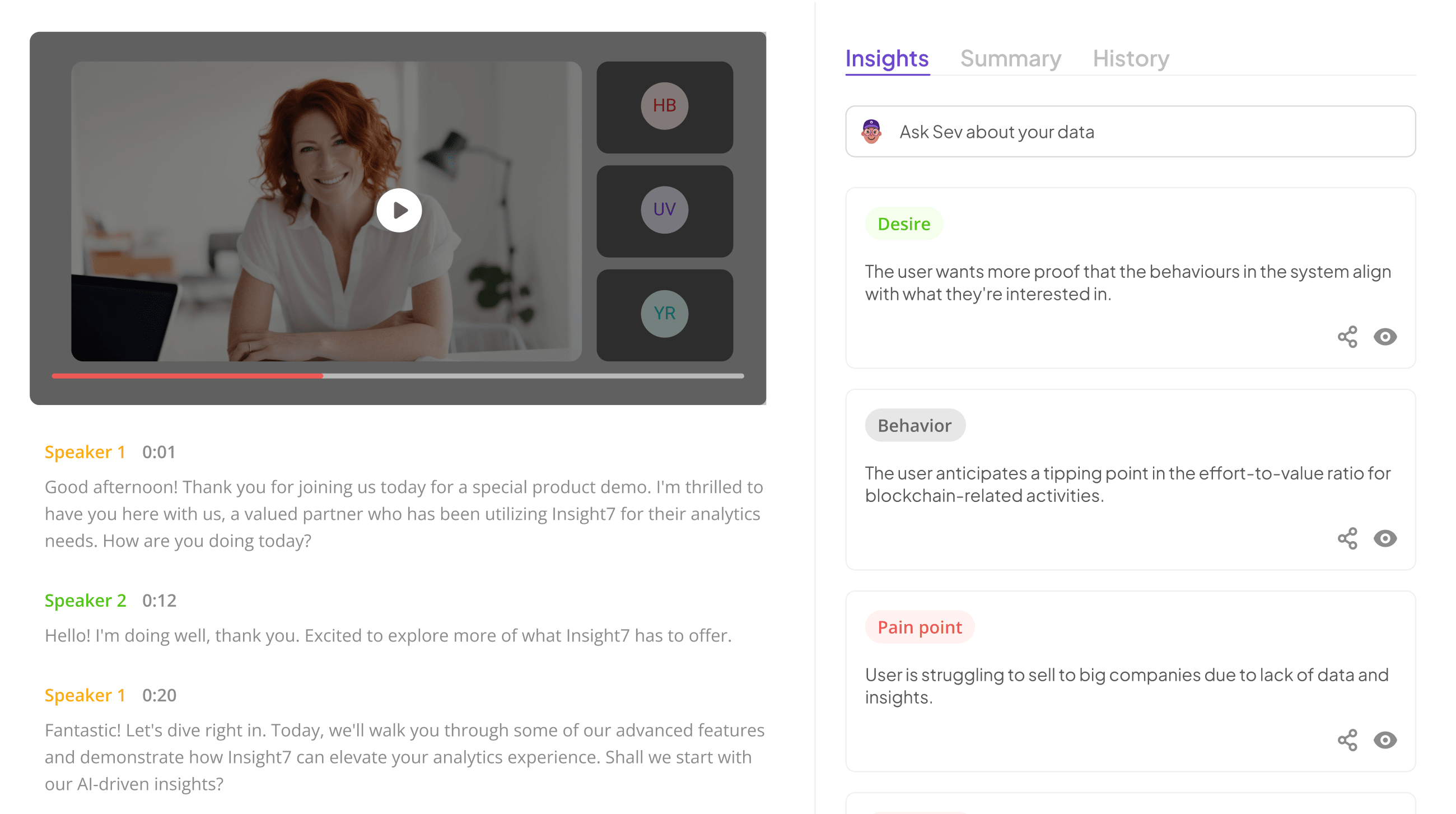
Understanding AI Quality Monitoring Scorecards
AI Quality Monitoring Scorecards represent a transformative approach to assessing call center performance. These scorecards analyze agent interactions by assessing various metrics such as compliance, customer satisfaction, and engagement. Through AI-driven analysis, organizations can quickly identify strengths and weaknesses in agent performance, providing actionable insights that improve training methods and enhance service quality.
Effective scorecards consist of key components: clear evaluation criteria, feedback mechanisms, and performance tracking over time. This structured approach allows for a consistent assessment of quality across multiple agents and shifts. Implementing AI Quality Monitoring tools also allows for real-time feedback, ensuring that agents receive immediate support. As a result, businesses can foster an environment of continuous improvement, ultimately benefiting both the agents and the customers they serve.
Key Components of a Quality Scorecard
Creating an effective call center quality scorecard involves specific elements that ensure it meets the unique needs of your organization. Key components of a quality scorecard include clearly defined criteria, a scoring system, and actionable insights derived from AI quality monitoring. First, you must establish the criteria that will be evaluated during calls. This could cover aspects such as resolving customer issues, demonstrating product knowledge, and ensuring customer satisfaction.
Next, implementing a scoring system that assigns weight to each criterion allows for a comprehensive assessment of performance. Incorporating AI quality monitoring can enhance this process, providing real-time feedback and streamlined evaluations. By using advanced data analytics, you can gain deeper insights into individual and team performance, identifying areas for improvement and training opportunities. This combination of a well-structured scorecard and AI capabilities will strengthen quality assurance and ultimately lead to better customer interactions and satisfaction.
How AI Technology Enhances Monitoring
AI technology significantly enhances monitoring in call centers, providing a level of accuracy and efficiency that manual methods struggle to achieve. By utilizing advanced algorithms, AI Quality Monitoring captures intricate details of each interaction, such as agent performance and customer satisfaction. This allows for a comprehensive evaluation of agents, helping to identify strengths and areas for improvement.
Moreover, AI systems can quickly generate detailed reports, offering insights within minutes instead of hours. These reports not only highlight individual agent performance but also enable teams to track compliance with company protocols. Additionally, AI can support customized feedback mechanisms, ensuring agents receive tailored advice to enhance their skills. Finally, with the ability to analyze large volumes of calls, AI technology creates a robust framework for continuous improvement in customer service, ultimately driving better business outcomes.
Steps to Building an AI-Based Call Center Quality Scorecard
To build an AI-based call center quality scorecard, it's essential to follow a structured approach. Start by defining your quality metrics, which serves as the backbone of your evaluation process. Identifying what aspects of calls, such as customer satisfaction or adherence to protocol, matter most will guide the development of your scorecard. This is the foundation for your AI Quality Monitoring efforts.
Next, choose suitable AI tools that align with your goals and metrics. Popular options like CallMiner or NICE inContact can analyze calls efficiently, providing insights that manual reviews may overlook. Once you've selected your tools, integrate them with your existing systems to ensure seamless functionality. With the right metrics in place and effective AI tools selected, you will create a scorecard that enhances team performance while driving better customer experiences. Continuous monitoring and adjustments to your scorecard will ensure it remains relevant and effective.
Step 1: Define Your Quality Metrics
Defining quality metrics is the foundation of your AI-powered call center quality scorecard. Start by identifying what matters most to your organization and customers. Focus on metrics that reflect customer satisfaction, agent performance, and overall operational efficiency. Common metrics include first call resolution, average handling time, and customer feedback scores. These indicators will enable you to measure the effectiveness of your AI quality monitoring system.
Next, consider incorporating qualitative metrics like call empathy and customer engagement. While quantitative metrics provide hard data, qualitative measures can reveal the nuances of customer-agent interactions. Collaborate with stakeholders to finalize these metrics, ensuring they align with organizational goals. By clearly defining your quality metrics, you'll pave the way for a successful scorecard that enhances performance and customer satisfaction, ultimately leading to a more efficient call center operation.
Step 2: Choose AI Tools and Technologies
When selecting the right AI tools and technologies for quality monitoring in call centers, consider various options that meet your unique business needs. The effectiveness of an AI quality monitoring system hinges on the selected tools' capabilities to analyze interactions and generate actionable insights. To start, assess tools that offer seamless data integration, allowing the aggregation of call transcripts, customer feedback, and performance metrics for thorough analysis.
Next, prioritize user-friendly platforms that provide intuitive dashboards and real-time reporting features. These capabilities help trainers and managers easily evaluate agent performance, making it simpler to coach and enhance skills. Additionally, ensure the technology you choose is compliant with data privacy regulations to protect sensitive customer information. Carefully weighing these considerations will set a solid foundation for implementing an effective AI quality monitoring framework that fosters continuous improvement and superior customer experience.
Tool Recommendations for Quality Monitoring
To effectively implement AI Quality Monitoring in call centers, selecting the right tools is crucial. Here are several top recommendations that can enhance the quality of monitoring processes. Each tool comes with its unique features to support quality assessments through advanced analytics and automation.
CallMiner: This platform provides deep insights through speech analytics, automatically scoring calls based on predefined criteria. It helps identify both strengths and areas for improvement in agent performance.
Observe.AI: Focused on coaching agents, Observe.AI leverages AI to offer real-time feedback during calls, ensuring that agents adhere to company guidelines and best practices.
NICE inContact: This comprehensive contact center software integrates workforce optimization tools, enabling managers to track compliance and performance effectively.
Verint: With robust analytics and reporting capabilities, Verint helps in assessing and gathering comprehensive feedback, which can be used to inform training and development for agents.
Balto: This AI-powered tool assists agents in real-time with conversation guidance, ensuring that they handle customer interactions with confidence and clarity.
These tools can significantly contribute to the creation of a robust AI-based call center quality scorecard, ultimately enhancing the overall customer experience.
- insight7
In the evolving landscape of customer service, AI quality monitoring stands out as a transformative tool for enhancing call center performance. Effective AI quality monitoring entails the integration of AI technologies that can analyze vast amounts of customer interaction data, ensuring that quality metrics align with organizational goals. By continuously assessing agent performance and customer satisfaction, businesses can derive actionable insights that drive improvement.
To harness the full potential of AI-driven quality monitoring, organizations can follow key steps. First, identify quality metrics that reflect customer expectations and company standards. Next, select suitable AI tools tailored for data analysis and monitoring. Finally, regularly review and adjust the scorecard based on emerging patterns to ensure its relevance. These steps create a robust framework for improving call center operations, enabling companies to respond proactively to customer needs and enhance overall service quality.
- CallMiner
CallMiner plays a significant role in developing an AI-based call center quality scorecard, particularly in enhancing AI quality monitoring. By utilizing advanced algorithms, it accurately analyzes and evaluates calls, providing insights into agent performance and customer interactions. This process helps organizations maintain compliance with regulatory standards while delivering exceptional customer experiences.
The technology offers several key features essential for effective quality monitoring. First, it provides real-time feedback, allowing supervisors to address issues instantly. Next, it categorizes interactions, making it easier to identify patterns and trends over time. Finally, its reporting capabilities enable organizations to measure performance against defined metrics consistently. Integrating these features into your call center operations ensures a systematic approach to quality assessment while fostering a culture of continuous improvement. Embracing these technologies can elevate the quality of service and drive compliance efforts forward in your organization.
- Balto
In the evolving landscape of call centers, Balto emerges as a pivotal AI-driven tool designed to enhance performance and ensure quality. It operates by providing real-time guidance to agents, ensuring they deliver consistent and accurate information during customer interactions. By integrating AI Quality Monitoring, Balto enables supervisors to assess and enhance agent performance dynamically, leading to better customer experiences and satisfaction.
This innovative platform not only analyzes calls post-interaction but also offers insights during conversations, allowing agents to adjust their approach based on real-time data. This feature significantly improves agent effectiveness while adhering to compliance standards. With Balto, organizations can streamline their quality monitoring processes, transforming how they train and evaluate their teams in the pursuit of excellence in customer service.
- Observe.AI
Observe.AI leverages advanced AI technology to streamline the monitoring of call center quality. By implementing this system, businesses can enhance their performance evaluation processes significantly. AI Quality Monitoring allows for the efficient analysis of agent interactions while producing actionable insights. These insights help organizations to identify areas where agents excel and where improvement is needed.
Incorporating this technology offers numerous benefits. First, it can automatically identify agent performance metrics based on their engagement levels and adherence to compliance. Second, it helps create detailed scorecards that summarize each agent's strengths and weaknesses, thus facilitating personalized feedback. Lastly, the ability to generate compliant-ready documents for internal use or client sharing supports a more structured approach to performance management. With these capabilities, AI Quality Monitoring becomes an indispensable tool for achieving operational excellence in call centers.
- NICE inContact
NICE inContact plays a significant role in enhancing call center quality monitoring through its advanced AI capabilities. By utilizing AI-powered analytics, call centers can efficiently assess agent performance and customer interactions. This technology streamlines the traditionally manual quality assessment process, making it faster and more accurate. As a result, agents receive real-time feedback, enabling continual improvement.
To understand the benefits of incorporating AI Quality Monitoring, consider these essential elements:
Automated Call Analysis: This feature reviews recorded calls and evaluates them against predefined quality metrics, providing insights into agent performance.
Real-Time Scoring: Agents can receive immediate feedback during calls, helping them adjust their approach on the spot to meet customer needs effectively.
Trend Identification: The system can analyze patterns over time, helping supervisors identify training opportunities and areas for improvement.
Performance Dashboards: These visual tools allow managers to track metrics easily and make data-driven decisions to enhance customer interactions.
Integrating such features informs continuous training and ensures that the quality standard remains high, ultimately improving customer satisfaction.
- Verint
Incorporating advanced technology is essential for optimizing call center operations. By utilizing AI quality monitoring tools, organizations can significantly enhance their evaluation processes. This technology provides insights that empower managers to assess and improve agent performance effectively. Using AI-driven analytics allows for a more accurate examination of customer interactions, ensuring agents meet defined service standards.
An AI-based solution helps identify trends and patterns in calls. It streamlines the feedback process, making it easier for teams to implement coaching strategies tailored to individual agent needs. Additionally, with the capacity to analyze vast amounts of data swiftly, these tools can significantly improve assessment accuracy. Ultimately, this leads to a better customer experience and increased operational efficiency. By focusing on AI quality monitoring, call centers can position themselves as leaders in delivering exceptional service in an ever-evolving market.
Conclusion: The Future of AI Quality Monitoring in Call Centers
The future of AI Quality Monitoring in call centers promises to enhance customer interactions and boost operational efficiency. As technology evolves, AI systems can analyze call data with unprecedented speed and accuracy, offering detailed insights into agent performance. This allows organizations to identify training needs and improve overall service quality effectively.
Moreover, AI-driven scorecards will become vital tools for compliance and performance evaluation. Customizable and user-friendly, these scorecards provide valuable feedback for agents and managers alike. Embracing AI Quality Monitoring can lead to improved customer satisfaction and, ultimately, drive business success in an increasingly competitive landscape.