
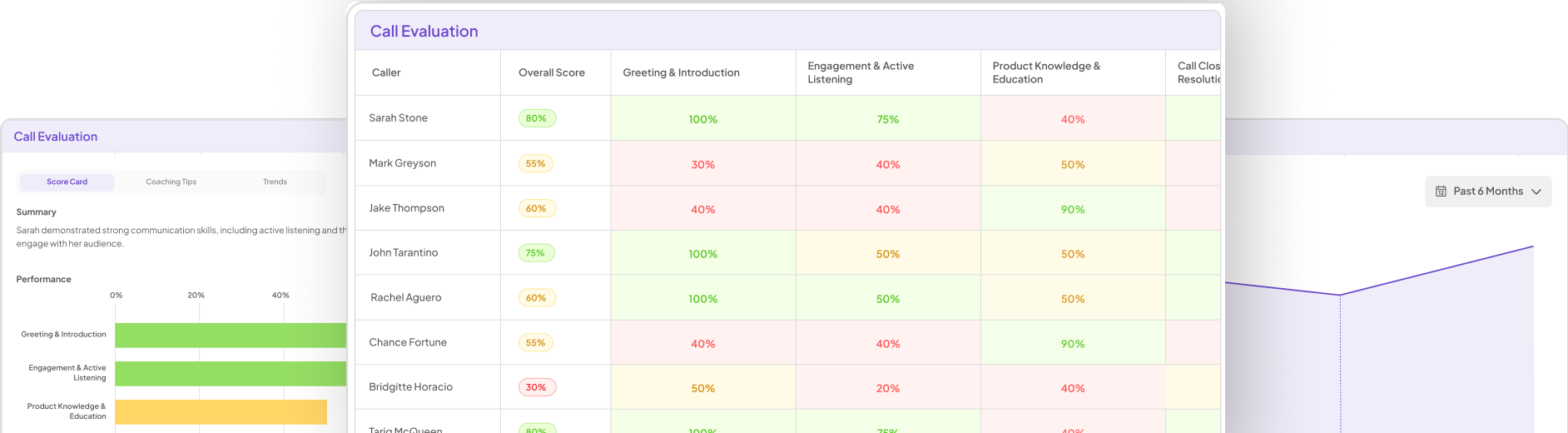
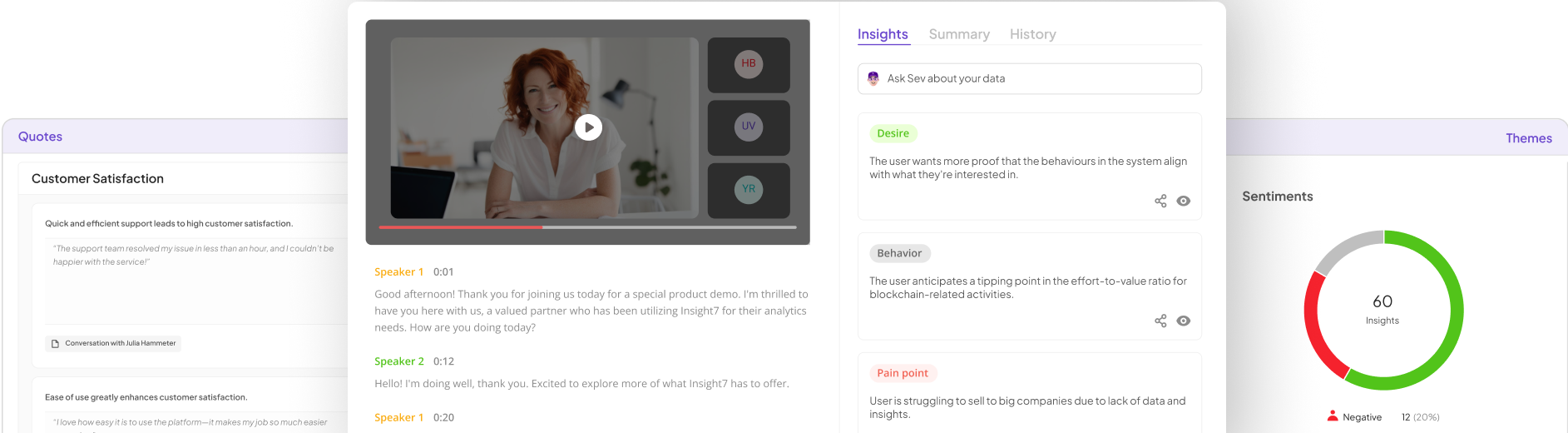


Interview Theme Generation plays a crucial role in user testing, transforming raw feedback into actionable insights. When companies engage with users through interviews, vast amounts of data are generated that can initially seem overwhelming. However, by effectively generating themes from these interviews, organizations can uncover common patterns and critical insights that drive product enhancements and improve user experiences.
In this section, we explore how various AI tools facilitate the interview theme generation process. By automating data analysis, these tools allow businesses to quickly identify user needs and trends without requiring extensive expertise. This not only saves time but also empowers organizations to make informed decisions, enhancing their understanding of the user experience and enabling them to respond effectively to user feedback.
The Importance of Interview Theme Generation
Interview Theme Generation is a critical element in transforming user testing interviews into actionable insights. By systematically identifying themes from customer feedback, organizations can better understand user needs and preferences. This process serves as a bridge between raw data and strategic decision-making, ensuring that insights generated are not only relevant but also timely.
Effective Interview Theme Generation allows teams to pinpoint recurring patterns and categorize user responses. This identification enables a more focused analysis, streamlining the way insights are communicated across departments. Furthermore, it mitigates inefficiencies that arise when insights are scattered across various files. Ultimately, prioritizing this theme generation process fosters collaboration and enhances the overall adaptability of a business in a competitive landscape.
Understanding the User Perspective
Understanding the user perspective is crucial for successful theme generation from user testing interviews. By effectively grasping how users think and what they experience, organizations can develop a deeper understanding of their needs. This understanding ultimately helps in creating products and services that resonate more closely with users. When conducting interviews, it is essential to listen actively and ask probing questions to uncover significant insights.
To achieve effective interview theme generation, consider the following key aspects:
Empathy: Cultivating empathy allows you to connect with users on a personal level, revealing their true thoughts and feelings.
Contextual Inquiry: Understanding the context in which users operate helps to identify their challenges and expectations more clearly.
Analytical Skills: Applying robust analytical skills ensures that gathered data is interpreted accurately, highlighting key patterns and trends.
Iterative Approach: Continuously revisiting and refining themes based on new insights fosters a more comprehensive understanding of user needs.
In summary, by prioritizing the user perspective, organizations can generate meaningful themes that inform better decision-making and enhance user experiences.
Identifying Key Patterns and Insights
When identifying key patterns and insights from user testing interviews, the process begins with comprehensively reviewing participant feedback. Each interview holds valuable data that reflects users’ pain points, desires, and suggestions. By aggregating this information, patterns start to emerge, revealing common themes that can shape future product development and strategies.
To delve deeper, AI tools serve as essential allies in this process. They can systematically analyze conversation transcripts and extract meaningful insights with remarkable efficiency. For example, AI technologies can summarize findings, highlighting the most frequently mentioned issues by users. This allows teams to focus on what matters most to their audience, ensuring that they address underlying challenges effectively. By utilizing these tools, organizations can transform raw feedback into actionable insights, significantly enhancing their user testing outcomes.
With the right approach to interview theme generation, teams can make informed decisions that lead to improved user experiences and product viability.
Top AI Tools for Interview Theme Generation
For effective Interview Theme Generation, it is essential to harness AI tools that streamline the process of analyzing user testing interviews. With traditional methods struggling to keep up, AI provides a timely solution to extract insights from extensive data. These tools illuminate key themes, facilitating a clearer understanding of user experiences and needs, which ultimately informs business strategies.
Among the top AI tools available, several stand out due to their capabilities. First, some tools excel in machine learning algorithms that identify patterns in conversation data, allowing for rapid theme extraction. Others offer sentiment analysis, which gauges user emotions and highlights critical feedback. Additionally, certain AI tools provide visualization options, simplifying the communication of insights to stakeholders. By utilizing these technologies, organizations can enhance collaboration, making it easier to translate user insights into actionable business outcomes.
insight7: Leading the Way in AI-Driven Analysis
In the realm of interview theme generation, organizations face a daunting challenge with the sheer volume of data produced during user testing. Traditional methods of analysis often fall short, leaving insights scattered and difficult to access. Here, AI-driven analysis stands out as a game-changer. By autonomously identifying patterns and extracting key themes from user interviews, AI not only accelerates the analytical process but enhances the depth of insights derived.
The shift toward AI-enabled tools allows businesses to realize actionable insights faster than ever before. These tools provide a self-service platform, empowering teams to analyze customer conversations without the bottleneck of manual processing. As organizations grow increasingly reliant on data to inform strategies, AI-driven analysis becomes essential. By embracing and implementing such innovative tools, businesses can lead the way in transforming user feedback into tangible actions, ultimately driving a competitive edge in their respective markets.
Advanced Features of AI Tool X
Advanced features of AI Tool X enhance the process of interview theme generation by streamlining data analysis. These capabilities allow users to automatically detect and categorize themes discussed in user testing interviews. Instant transcription provides accurate insights, enabling teams to focus primarily on interpretation and decision-making rather than manual data compilation.
One standout feature is the system’s ability to identify speaker patterns. This helps distinguish between different respondents, adding context to the findings. Moreover, users can customize report formats, whether for internal review or direct client presentation. The tool's real-time analytics helps track engagement levels across interviews, enabling continual refinement of questioning strategies. With these advanced functionalities, users gain a comprehensive understanding of user sentiments, leading to informed decision-making that drives product improvement.
How AI Tool Y Enhances Theme Generation
AI Tool Y significantly improves interview theme generation by harnessing advanced algorithms that streamline the analysis of user testing interviews. Its ability to process vast amounts of qualitative data allows for quick identification of key themes that might otherwise be overlooked. This efficiency enables researchers to focus on interpreting insights rather than getting bogged down in raw data.
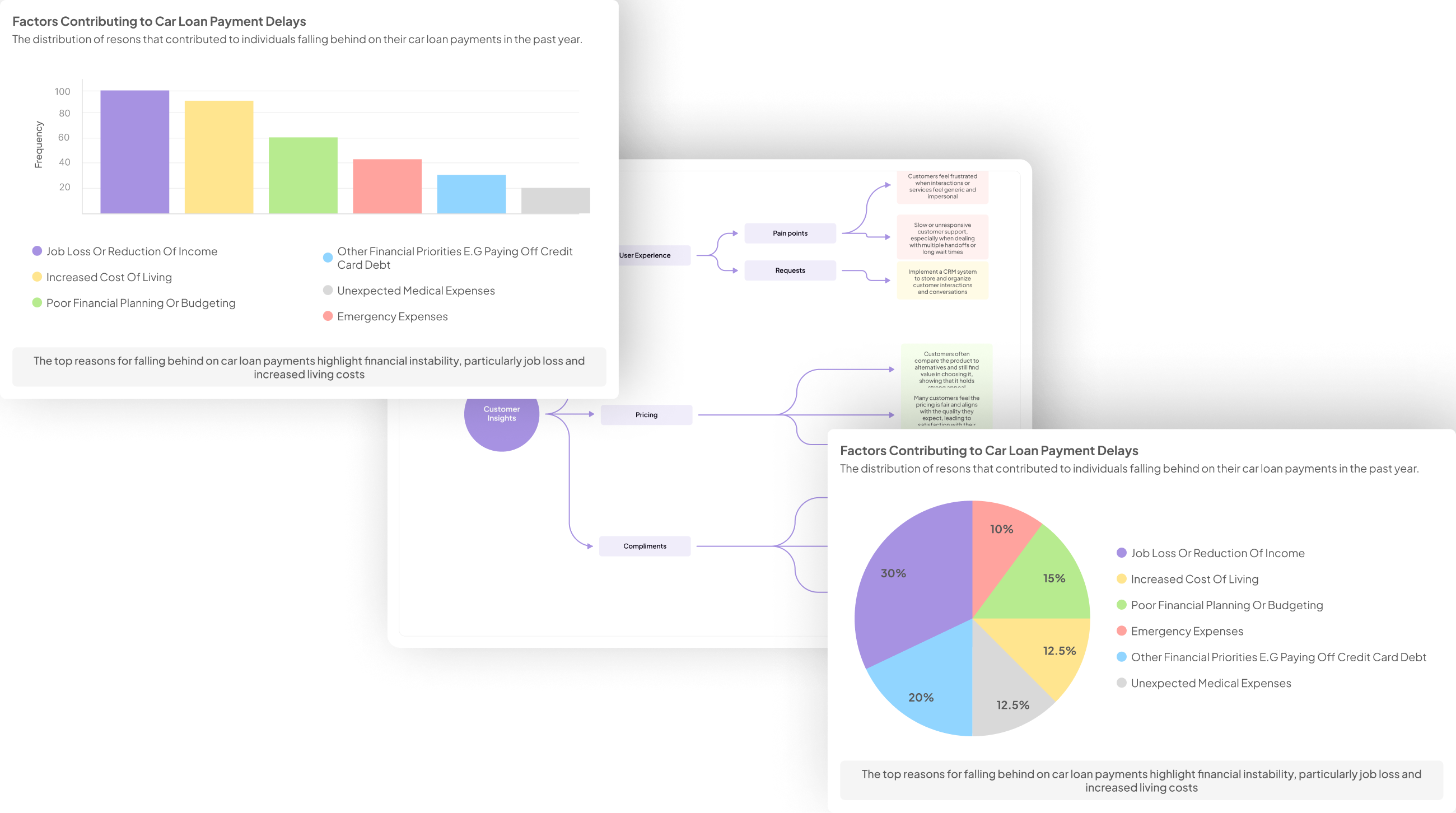
The tool employs natural language processing to accurately categorize and prioritize themes based on frequency and relevance. Additionally, it provides visual representations of data, allowing teams to explore connections and derive meaningful conclusions easily. Ultimately, AI Tool Y transforms the often tedious process of sifting through interviews into an insightful experience, enhancing decision-making and strategy formulation based on user feedback. As a result, it not only saves time but also enriches the quality of insights garnered from user testing interviews.
Using AI Tool Z for Comprehensive Analysis
Using AI Tool Z for Comprehensive Analysis empowers businesses to uncover valuable themes from user testing interviews effectively. This tool simplifies the analysis process by enabling users to collect and visualize insights easily. With a user-friendly interface, AI Tool Z allows team members without specialized training to engage with data and draw meaningful conclusions.
The platform organizes interview data systematically, presenting insights such as pain points and desires in a visual format. Users can explore the entire dataset, analyze numerous calls simultaneously, and extract pertinent themes. This capability not only streamlines the analysis but also enhances the overall understanding of user experiences. By employing AI Tool Z, teams can generate actionable recommendations based on robust interview theme generation, ultimately leading to improved product and service offerings.
Steps to Implement AI Tools for Effective Theme Generation
To effectively implement AI tools for generating themes from user testing interviews, follow a structured approach. First, selecting the right tool is crucial. Evaluate various AI options that specialize in interview theme generation, ensuring they meet your specific needs. Consider aspects like user-friendly interfaces, integration capabilities, and analytical depth.
Next, prepare your data meticulously. Gather all relevant user feedback and interview transcripts, ensuring they are free from biases that could skew insights. This step is critical, as the AI's effectiveness in generating themes heavily relies on the quality of the input data.
Finally, analyze the results generated by the AI tool and iterate on your findings. Review the themes discovered and assess their relevance to your goals. By refining your process based on these insights, you will enhance the accuracy and applicability of your theme generation, ultimately leading to richer user experiences.
Step 1: Selecting the Right Tool
Selecting the right tool for interview theme generation is a vital first step in translating user testing interviews into actionable insights. With numerous AI options available, it's essential to evaluate tools based on key features that cater to your specific needs. This includes considering the tool's ability to analyze text, identify patterns, and produce visualizations that make themes clearer.
When choosing an AI tool, first identify your unique requirements. Ask questions like: What volume of interviews will you analyze? Does the tool support your preferred formats for input data? How well does it integrate with your existing systems? Once you clarify these criteria, you can narrow your choices to tools that not only meet technical specifications but also enhance your overall user experience in extracting themes effectively.
Step 2: Preparing the Data
In Step 2, preparing the data is crucial for effective interview theme generation. Start by collecting all transcripts from user testing interviews. Organize these transcripts in a systematic way that allows for easy access and analysis. This could mean categorizing them based on themes or feedback type, such as positive and negative comments. Understanding the context of each interview will help in identifying significant insights and patterns.
Next, clean the data by removing irrelevant information and ensuring clarity in the transcripts. This step minimizes noise and aids in focusing on the core feedback. It’s also essential to familiarize yourself with available AI tools that can assist in this process, as they can streamline data preparation. Tools that enable incorporating tags or highlights can significantly enhance your ability to break down large datasets into manageable insights, driving your analysis forward effectively.
Step 3: Analyzing Results and Iterating
After you gather interview data, the next crucial phase is analyzing results and iterating. This step ensures that you distill actionable insights from your user testing interviews. To begin, systematically review the data, highlighting recurring themes and patterns. Pay attention to both positive and negative feedback. This dual focus will help you understand user desires and pain points more deeply.
Once themes are identified, it’s essential to iterate on your findings. Use the insights to refine your approach, whether it involves adjusting products or modifying user experiences. Gather feedback on these refinements through follow-up interviews or surveys to validate your adjustments. Continuously repeating this cycle of analysis and iteration enhances the quality of your themes and ensures they remain relevant to user needs. Ultimately, effective interview theme generation relies on this ongoing, responsive engagement with the data.
Conclusion: Harnessing AI for Interview Theme Generation
Harnessing AI for Interview Theme Generation revolutionizes the way organizations analyze user testing interviews. By utilizing advanced AI tools, businesses can streamline the extraction of meaningful insights from customer discussions. This not only enhances the speed of analysis but also significantly improves the accuracy and relevance of themes identified.
Implementing AI algorithms allows for a more systematic and comprehensive approach to interview theme generation. Organizations can transform their customer insights into actionable strategies, ultimately fostering better decision-making. As companies increasingly recognize the value of timely insights, embracing AI tools becomes essential in maintaining a competitive edge in today’s fast-paced market.