




Keyword Extraction AI plays a vital role in usability testing interviews, allowing researchers to distill vast amounts of qualitative data into actionable insights. Enhancing the ability to analyze user feedback, these AI tools extract key themes and sentiments from conversations, revealing underlying user needs and expectations. As organizations increasingly rely on data-driven decisions, integrating Keyword Extraction AI into usability testing becomes essential.
Utilizing advanced algorithms, Keyword Extraction AI automates the tedious process of identifying important terms and phrases from interview transcripts. This automation not only saves time but also ensures a more thorough understanding of user behavior. Consequently, it opens doors for better design strategies and informed product development, ultimately enhancing the user experience.
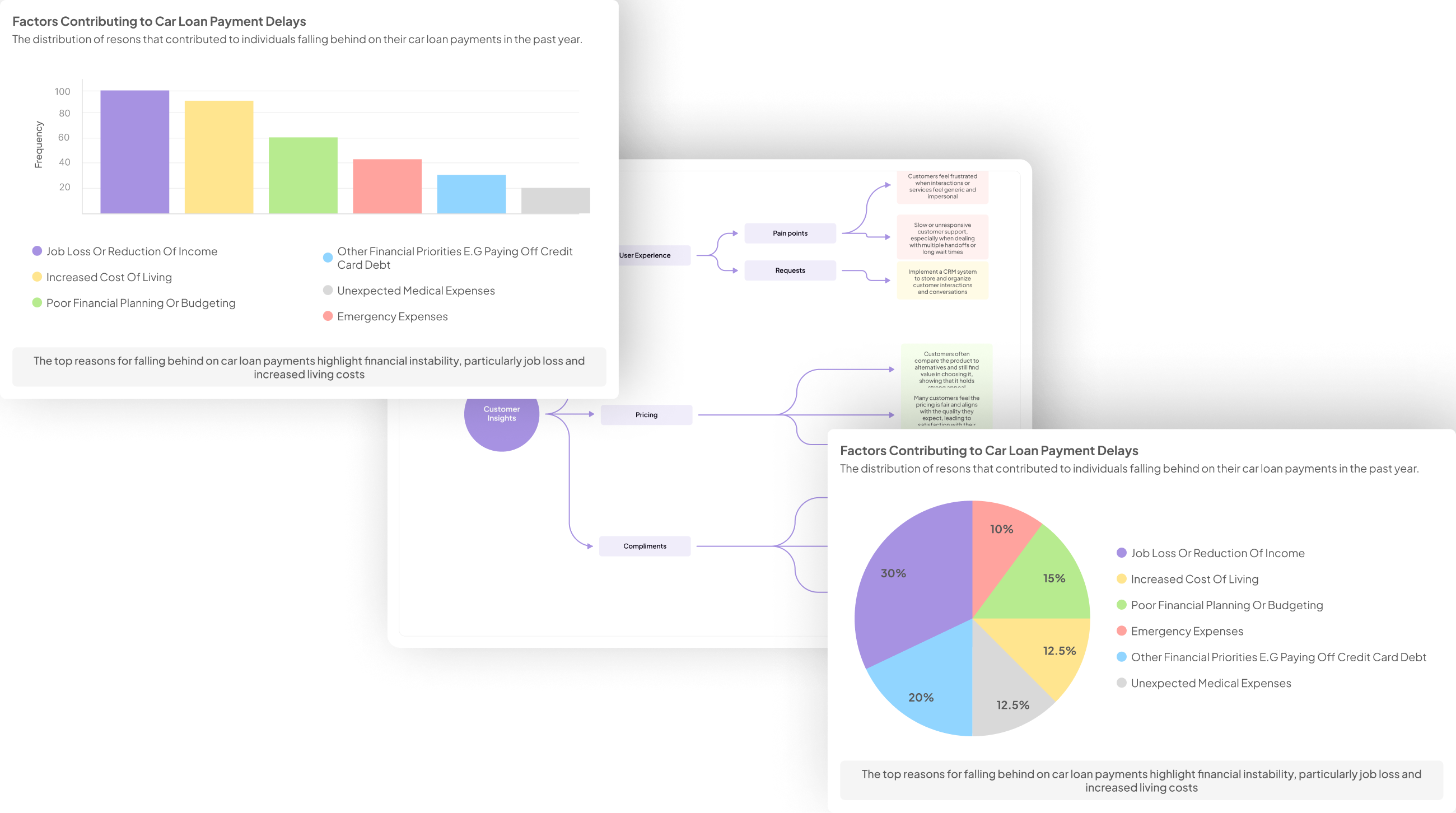
Why Keyword Extraction AI is Essential for Usability Testing
In usability testing, effectively capturing user insights is crucial. Keyword Extraction AI simplifies this process by identifying the most relevant themes and sentiments from interview transcripts. By analyzing the language used by participants, these tools can distill complex conversations into actionable keywords. This ensures that key pain points and user behaviors are highlighted, making it easier for teams to address issues that truly matter.
Furthermore, Keyword Extraction AI enhances the efficiency of data analysis. Instead of manually sifting through hours of interviews, teams can quickly obtain meaningful summaries and insights. This not only saves time but also allows for more informed decision-making based on user feedback. By leveraging these advanced tools, organizations can improve user experience and ultimately create products that resonate with their audience. Embracing Keyword Extraction AI is not just a trend; it’s an essential strategy for optimizing usability testing outcomes.
Enhancing Usability Insights with AI
AI tools are transforming how usability insights are extracted from interviews, significantly enhancing the analysis process. By integrating Keyword Extraction AI, teams can swiftly identify important trends, themes, and sentiments within user feedback. This allows for a more structured understanding of customer pain points, desires, and behaviors, thus facilitating deeper analysis of user experience.
Using Keyword Extraction AI can streamline the way businesses approach usability testing. Instead of manually combing through interviews, the AI can automatically synthesize data and present it in digestible formats like insight cards or reports. This efficiency not only saves time but also democratizes valuable insights, making them accessible to all team members without specialized training. By relying on AI for understanding user feedback, companies can focus more on implementing improvements rather than getting bogged down by data analysis.
Streamlining the Analysis Process
Effective analysis is crucial in transforming usability testing interviews into actionable insights. By leveraging Keyword Extraction AI, you can streamline this process significantly. The technology automates the identification of relevant keywords and themes, reducing the manual workload and enhancing accuracy. This allows teams to focus on interpreting data rather than getting bogged down in transcription and initial data sorting.
To make the analysis process even more efficient, consider the following steps:
Organize Your Data: Group your interview transcripts by themes or subjects. This gives you a clearer overview of the insights derived from multiple interviews.
Automate Keyword Extraction: Use Keyword Extraction AI tools to quickly identify and extract keywords from your transcripts. This accelerates the process of pinpointing user pain points and preferences.
Visualize Insights: Generate visual reports that summarize key findings and trends. This will help present data clearly to stakeholders, facilitating better decision-making.
Implementing these practices will help in transforming raw interview data into structured insights, promoting a more efficient analysis process overall.
Top AI Tools for Keyword Extraction
Utilizing Keyword Extraction AI tools is crucial for deciphering the rich insights embedded in usability testing interviews. These tools sift through qualitative data, extracting pertinent keywords that encapsulate user experiences and feedback. By efficiently identifying recurring themes, decoders of this data can summarize vast information into actionable insights. Moreover, these AI-driven solutions enable teams to quickly locate positive and negative sentiments expressed by users, streamlining the decision-making process.
Key tools in this domain include MonkeyLearn, which provides an easy and flexible interface for keyword extraction. Lexalytics stands out with its powerful sentiment analysis capabilities, enabling deeper understanding of user emotions. Aylien offers versatility, making it an excellent choice for various scale operations. Finally, TextRazor excels at high-performance semantic analysis. Each of these tools empowers users to turn complex data into clear narratives, enhancing the overall usability testing experience.
Insight7: The Leading AI Solution
The emergence of Keyword Extraction AI has transformed how businesses analyze usability testing interviews. Companies now have access to powerful tools that extract relevant insights efficiently from vast amounts of interview data. Traditional manual analysis is often slow and labor-intensive, leading to delays in understanding customer needs. With an AI-driven solution, organizations can rapidly identify key themes and sentiments that emerge from user interviews, adapting their strategies to meet customer expectations.
The leading AI solutions in this space provide essential features that enhance data interpretation. First, they automate the extraction process, allowing quicker turnaround times. Second, they offer intuitive interfaces that make it easy for teams to collaborate and share insights. Lastly, the integration of keyword extraction with other analytical tools ensures a comprehensive understanding of user feedback. By harnessing Keyword Extraction AI, businesses can stay ahead of competitors and make informed decisions based on real customer voices.
Other Notable Tools
In addition to the leading AI tools, there are other notable options for keyword extraction that can greatly enhance your usability testing process. For instance, MonkeyLearn offers an intuitive interface that allows users to customize text analysis according to their specific needs, making keyword generation straightforward and user-friendly. Its flexibility makes it an excellent choice for teams looking to integrate keyword extraction easily into their workflows.
Another valuable tool is Lexalytics, renowned for its comprehensive sentiment analysis capabilities. This tool goes beyond simple keyword extraction, allowing you to understand customer emotions behind the feedback. Aylien stands out for its scalability and versatility, ideal for businesses with larger datasets. Lastly, TextRazor provides high-performance semantic analysis, enabling deeper insights into user comments. Each of these tools offers unique features, catering to various business requirements, and contributes significantly to deriving actionable insights from usability testing interviews.
- MonkeyLearn: Easy and Flexible
The platform is designed to be remarkably user-friendly and flexible, accommodating various needs regardless of expertise. Users can effortlessly access the tool, streamlining the process of extracting key insights from usability testing interviews. This approach democratizes data analysis, allowing anyone within an organization to generate valuable reports without extensive training.
By utilizing a system that automatically identifies pain points and user behaviors, the platform enhances keyword extraction AI capabilities. This empowers teams to quickly summarize large datasets and visualize customer sentiments. Users can easily manage multiple projects, analyzing hundreds of calls simultaneously for richer insights. As a result, businesses can focus on addressing customer needs more effectively, leading to improved experiences and product offerings. The simplicity of this tool allows businesses to dive into their data with ease, ensuring they grasp essential insights without unnecessary complexity.
- Lexalytics: In-Depth Sentiment Analysis
In-depth sentiment analysis is crucial for gaining insights from usability testing interviews. By applying advanced sentiment analysis techniques, researchers can dissect participant feedback, uncovering underlying emotions and attitudes. This detailed examination not only highlights positive and negative sentiments but also provides context, which can inform better product decisions.
Understanding Sentiment Polarities: This approach categorizes feedback as positive, negative, or neutral, allowing teams to focus on areas that resonate most with users.
Extracting Emotion Indicators: Analyzing language for emotional cues enhances comprehension of participant experiences, enabling actionable changes based on user sentiments.
Trend Analysis Over Time: Observing sentiment shifts across interviews helps identify emerging user patterns, providing strategic foresight for product improvements.
These techniques enable researchers to refine their analyses and focus on essential elements, ultimately elevating the user interface and enhancing overall user experience. With effective use of keyword extraction AI, the analysis becomes sharper, revealing valuable insights hidden in interview data.
- Aylien: Versatile and Scalable
The adaptability of advanced tools plays a crucial role in analyzing usability testing interviews. In the realm of Keyword Extraction AI, versatility and scalability stand out as essential characteristics. These features allow users to manage varying data loads efficiently, catering to distinct needs as they arise. Companies find increasing volumes of customer feedback, requiring real-time analysis to derive actionable insights.
Scalability ensures that the tool can handle data from any number of interviews, instantly processing extensive keyword extraction tasks. With versatile capabilities, users can tailor the AI’s functionality to meet specific analytical objectives. For instance, whether analyzing sentiment, identifying pain points, or extracting common themes, these tools can adjust their algorithms accordingly. Such flexibility not only enhances usability insights but also optimizes collaboration among teams. By integrating these advanced tools, businesses can effectively turn customer conversations into strategic actions, staying ahead in competitive markets.
- TextRazor: High-Performance Semantic Analysis
High-performance semantic analysis is a pivotal aspect of effective keyword extraction AI. This powerful technology can transform usability testing interviews by intelligently analyzing the context and meanings within the transcripts. By utilizing advanced algorithms, this tool excels at identifying relevant keywords and phrases that reflect user sentiments and experiences.
To fully leverage high-performance semantic analysis, consider the following aspects:
Contextual Understanding: The technology deeply comprehends the nuances of language and can detect the emotional undertones present in user responses.
Scalability: This tool can handle large volumes of data efficiently, enabling seamless analysis across multiple interviews.
Customization: Users can tailor the parameters to align with specific research goals, ensuring that the extracted keywords serve the intended purpose.
By implementing high-performance semantic analysis, researchers can derive actionable insights that enhance product development and user experience. This targeted approach leads to continuous improvement and a better understanding of customer needs.
How to Choose the Right Keyword Extraction AI Tool
Selecting the right Keyword Extraction AI tool can significantly impact the effectiveness of your usability testing interviews. To begin, define your specific needs and budget to guide your decision-making process. Consider whether you require features such as sentiment analysis, data visualization, or integration capabilities with other systems, as these functions can enhance your data analysis.
Next, evaluate the features of available tools and prioritize ease of use. A user-friendly interface ensures that you and your team can effectively utilize the tool without extensive training. Finally, take advantage of free trials or demos to test the software. This allows you to assess how well it integrates with your existing workflow and whether it meets your keyword extraction needs. By following these steps, you'll set yourself up for success in choosing a tool that enhances your usability testing insights.
Step 1: Define Your Needs and Budget
Understanding your specific requirements is the first step in selecting the best AI tools for generating keywords from usability testing interviews. Take time to reflect on what you need from a Keyword Extraction AI solution. Consider your primary objectives: Are you looking to enhance the depth of your insights or streamline your analysis processes? Defining these aspects will help in directing your search toward tools that align with your goals.
Next, it's crucial to establish a budget for the AI tools you plan to evaluate. This involves assessing not only the initial investment but also potential ongoing costs. Determine the extent of usage you anticipate and any additional features that might be necessary. Allocating a budget will facilitate a smoother decision-making process, as it allows you to narrow down options that not only meet your functional needs but also fit within your financial constraints.
Step 2: Evaluate Features and Ease of Use
When assessing the right Keyword Extraction AI, it's critical to evaluate its features and overall ease of use. Start by examining the range of functionalities on offer. Tools that allow you to effortlessly transcribe and analyze data from usability testing interviews can significantly streamline your workflow. Features like customizable templates for evaluations and real-time data analysis provide the flexibility many users need to optimize their processes.
Next, consider the user interface and accessibility. A tool that is simple to understand and operate is invaluable. Look for layouts that enable intuitive navigation, ensuring you can quickly upload, extract, and analyze your interviews without extensive training. An easy-to-use system enables not just researchers but also team members new to the analytics process to contribute effectively. Ultimately, the right combination of robust features and user-friendliness can elevate your keyword generation efforts, making the arduous task of analyzing interview data more manageable and efficient.
Step 3: Trial and Integration
In the Trial and Integration phase, it's crucial to evaluate how well the chosen Keyword Extraction AI aligns with your specific needs. Start by running initial tests on a smaller scale, which allows you to understand its strengths and weaknesses. This helps in refining your approach while pinpointing the most effective configurations for your usability testing interviews.
Once you have assessed its performance, focus on integrating the tool into your existing processes. This step ensures that all team members can easily adopt the technology and utilize it to its full potential. Integrating the software into your workflows enhances collaboration and streamlines the extraction of relevant insights. Therefore, this phase is not just about implementation; it involves making adjustments based on the initial trial to ensure a seamless experience. By thoughtfully navigating this process, you position yourself to maximize the benefits of Keyword Extraction AI in your research undertakings.
Conclusion: Maximizing Usability Testing with Keyword Extraction AI
To fully benefit from Keyword Extraction AI, usability testing must be executed strategically. This technology not only simplifies data collection but also transforms overwhelming interviews into actionable insights. By efficiently processing conversations, it uncovers valuable patterns and user sentiments, enabling teams to make informed decisions swiftly.
Moreover, integrating Keyword Extraction AI in your approach fosters a more comprehensive understanding of user needs. With the right tool, you can quickly extract key themes from interviews, ensuring that no essential feedback goes unnoticed. Ultimately, this method enhances the usability testing experience, leading to refined product development and greater user satisfaction.










