




In today's fast-paced business environment, extracting meaningful insights from prospect interviews has become crucial for success. Keyword extraction tools serve as valuable allies in this endeavor, helping teams sift through conversations to unveil critical themes and patterns. With the ability to analyze audio files and transcripts efficiently, these tools can transform raw data into actionable insights, ultimately guiding decision-making and strategy.
Understanding how keyword extraction tools function enhances their effectiveness during prospect interviews. By automating the analysis process, they alleviate the burden of manual data review, making it easier to identify pain points, preferences, and trends. This section will delve into the foundational concepts of these tools, exploring their role and the key benefits they offer in unlocking valuable insights from customer interactions.
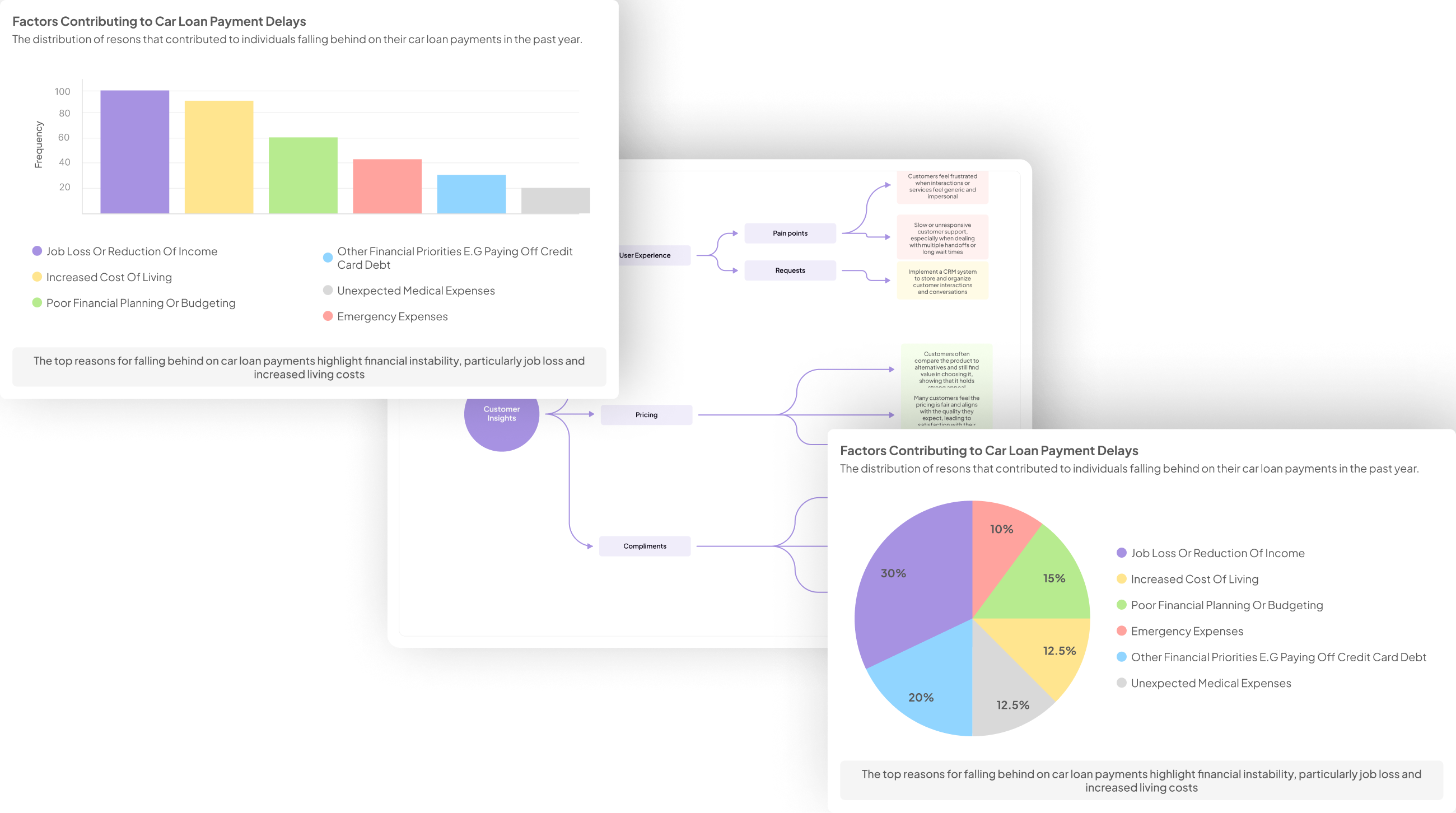
Understanding Keyword Extraction Tools: How They Work
Keyword extraction tools analyze textual data to find significant words or phrases. These tools utilize Natural Language Processing (NLP) and machine learning algorithms to extract keywords that encapsulate the core ideas in conversations and documents. By processing audio recordings and their transcriptions, these systems identify patterns and highlight terms that are most relevant based on context.
The primary function of keyword extraction tools is to simplify the analysis of complex interview data. After your prospect interviews are transcribed, these tools can quickly pinpoint critical themes, offering insights that might otherwise be overlooked. They allow users to filter data, uncover pain points, and produce actionable insights efficiently. Moreover, many tools come equipped with templates that streamline the keyword extraction process, aiding users in tailoring searches to specific needs, such as identifying voice of the customer insights.
In sum, understanding how these tools operate empowers organizations to harness the full potential of their interview data. By leveraging keyword extraction tools, businesses can gain deeper insights and make informed decisions that align with customer needs.
The Role of Keyword Extraction Tools in AI
Keyword extraction tools play a crucial role in the realm of artificial intelligence by efficiently identifying relevant terms from vast datasets. These tools analyze text generated from prospect interviews, extracting significant keywords that represent essential themes and insights. By automating this process, AI simplifies the challenge of gleaning meaningful information, making it easier for businesses to understand customer sentiments and preferences.
The effectiveness of keyword extraction tools can significantly enhance data analysis. Firstly, they help streamline the process of organizing qualitative data into quantifiable insights. Secondly, they allow teams to quickly identify patterns and trends from multiple interviews, saving valuable time in research and analysis. Lastly, by delivering key insights, these tools empower businesses to refine their strategies based on actual customer feedback, ultimately driving informed decision-making. Thus, integrating keyword extraction tools into AI-driven processes transforms qualitative data analysis into a more efficient and impactful endeavor.
Key Benefits of Using Keyword Extraction Tools
Keyword extraction tools offer numerous advantages that can significantly improve your understanding of customer insights derived from prospect interviews. By automating the process of identifying crucial terms and phrases, these tools allow teams to swiftly analyze substantial volumes of data. This saves time and efforts that would otherwise go into tedious manual analysis.
One major benefit is the ability to uncover patterns and trends that might not be immediately obvious. For instance, keyword extraction tools can highlight frequently mentioned topics, which can guide marketing strategies or product improvements. Additionally, by organizing insights into easily digestible formats, these tools enhance communication within teams, ensuring that everyone is aligned on customer needs and expectations. Ultimately, the efficient extraction and analysis provided by these tools not only streamline workflows but also enhance decision-making processes by providing reliable and actionable insights.
Top AI Tools for Extracting Keywords from Interviews
Keyword extraction tools have become essential for organizations looking to streamline the analysis of prospect interviews. These tools automatically sift through conversations and highlight key phrases, insights, and sentiments, making it easier for teams to identify crucial points and data trends. By efficiently extracting keywords, businesses can enhance their understanding of customer feedback and shape future strategies more effectively.
Among the top AI tools for extracting keywords from interviews, several stand out for their robust features and user-friendly interfaces. For instance, MonkeyLearn offers powerful text analytics capabilities, allowing users to create customized workflows. Lexalytics provides deep semantic analysis, enabling businesses to uncover nuanced meanings within conversations. Wordstat is known for its comprehensive content analysis, while TextRazor excels in high-speed processing of textual data. These tools not only facilitate quick analysis but also empower teams to derive actionable insights that can guide decision-making and strategy development.
Insight7: An Overview
Insight7 provides an innovative approach to harnessing data generated from customer interviews effectively. By streamlining the process of analyzing vast amounts of conversational data, it addresses the common challenges organizations face today. Many companies struggle with traditional methods of data analysis that often fall short of extracting actionable insights in a timely manner. Insight7's platform simplifies this task, allowing users to quickly pinpoint key themes and sentiments that emerge from interviews.
The effectiveness of keyword extraction tools is paramount here. These tools enable organizations to sift through customer feedback and identify important keywords that reflect consumer needs and preferences. As interviews yield significant customer signals, employing keyword extraction tools becomes essential to translating these signals into concrete business strategies. By adopting such technologies, companies can enhance collaboration, reduce inefficiencies, and ultimately make better-informed decisions in their market strategy efforts.
Other Leading Keyword Extraction Tools
While numerous tools excel in extracting keywords, some stand out for their specific features and user benefits. MonkeyLearn is notable for its ease of use and powerful natural language processing capabilities, allowing users to quickly identify relevant keywords from text data. Its intuitive interface makes it accessible even for those without technical expertise.
Lexalytics focuses on sentiment analysis along with keyword extraction, adding a deeper layer of insights to your data. This tool is particularly valuable for understanding customer sentiment, helping businesses tailor their strategies more effectively. Another tool, Wordstat, stands out with its advanced statistical analysis features, making it ideal for those wanting in-depth analysis of interview transcripts. Lastly, TextRazor offers an impressive suite of natural language processing tools, catering to complex keyword extraction needs. Collectively, these keyword extraction tools provide diverse functionalities, catering to various analytical requirements.
Tool #1: MonkeyLearn
MonkeyLearn offers an intuitive interface that makes keyword extraction simple and accessible for everyone in your organization. Ideal for prospect interviews, it helps users transform extensive conversations into insightful reports quickly. By uploading call transcripts directly to the platform, you can identify key themes, pain points, and customer desires seamlessly.
The tool provides visual representations of insights, allowing users to analyze individual calls or group them into projects for broader analysis. Features include keyword summaries that highlight essential details and evidence from the conversations. This efficiency democratizes the insights process, enabling non-experts to generate meaningful data-driven conclusions with ease. By employing keyword extraction tools like this, your team can enhance their understanding of customer experiences, leading to more knowledgeable decision-making in your business operations.
Tool #2: Lexalytics
With Lexalytics, keyword extraction tools become accessible and efficient for analyzing customer insights. The platform is designed to allow anyone within a business to easily utilize it, eliminating the need for specialized training. It serves as an all-in-one solution, enabling users to import customer interviews and transcribe them for further analysis. By analyzing these conversations, Lexalytics helps identify pain points and customer sentiments that are crucial for businesses aiming to enhance their offerings.
The real strength of this tool lies in its ability to generate actionable insights. For each recorded interview, the platform produces insight cards that categorize findings related to customer desires, complaints, and overall sentiment. Users can even query the data to extract specific themes and trends from multiple interviews simultaneously. This capacity to analyze hundreds of calls in one go makes it indispensable for businesses focused on data-driven decision-making through effective keyword extraction tools.
Tool #3: Wordstat
Wordstat serves as a powerful analytics tool that simplifies the keyword extraction process from prospect interviews. By allowing users to transcribe conversations and pull relevant phrases, it streamlines the journey from raw dialogue to actionable insights. The software makes it possible to organize various interview files into specific projects, where users can easily extract essential information quickly.
With Wordstat, marketers and analysts can visualize historical queries, making it simpler to identify positive testimonials and constructive feedback from conversations. This visual representation aids in understanding customer sentiment and trends more accurately. The ability to ask targeted questions within the analyzed data further enhances its functionality, ensuring data-driven decisions are well-informed and relevant. As a comprehensive keyword extraction tool, Wordstat transforms unstructured data into structured info that can guide marketing strategies effectively.
Tool #4: TextRazor
TextRazor serves as an innovative solution in the realm of keyword extraction tools. This AI-powered tool specializes in analyzing text data to unearth valuable keywords, phrases, and insights. It seamlessly integrates with various applications, making it an invaluable resource for those processing large volumes of interview data. Users can easily access its capabilities without needing extensive technical knowledge, enabling businesses to unlock insights rapidly.
The standout feature of TextRazor is its robust entity recognition, which identifies relevant terms and phrases from interviews. This feature allows users to extract themes and sentiments, presenting actionable insights effectively. Furthermore, TextRazor’s natural language processing capabilities ensure that the keywords generated are contextually relevant, enhancing the quality of the findings derived from customer conversations. By utilizing this tool, organizations can gain a deeper understanding of their audience, uncovering trends and pain points that may influence business strategies or product development.
Conclusion: Leveraging Keyword Extraction Tools for Better Insights
Keyword extraction tools provide immense value by converting raw data from prospect interviews into actionable insights. These tools allow users to quickly identify key themes, pain points, and customer desires, which are essential for informed decision-making. By automating the extraction process, businesses can save time and enhance the quality of insights gathered from interviews.
Moreover, the use of keyword extraction tools democratizes access to critical information, making it available to all team members regardless of expertise. As a result, companies can foster a culture of data-driven decision-making, leading to improved strategies and ultimately better outcomes. Embracing these tools ensures that organizations can continually refine their understanding of customer needs and expectations.










