




In the modern business landscape, understanding customer conversations is crucial for success. Conversational Insight Tools play a vital role in bridging the gap between raw customer interactions and actionable insights. These tools enable businesses to analyze conversations seamlessly, identify patterns, and derive meaningful conclusions. By utilizing advanced technologies, organizations can transform complex dialogue into clear, concise information that shapes their strategies.
As businesses strive to become more customer-centric, the demand for effective conversational insight tools continues to grow. These tools not only enhance decision-making but also improve the overall customer experience. With user-friendly interfaces and powerful analytics, they allow anyone in the company to extract vital information without needing extensive training. Embracing these tools can provide significant advantages in understanding customer needs and preferences.
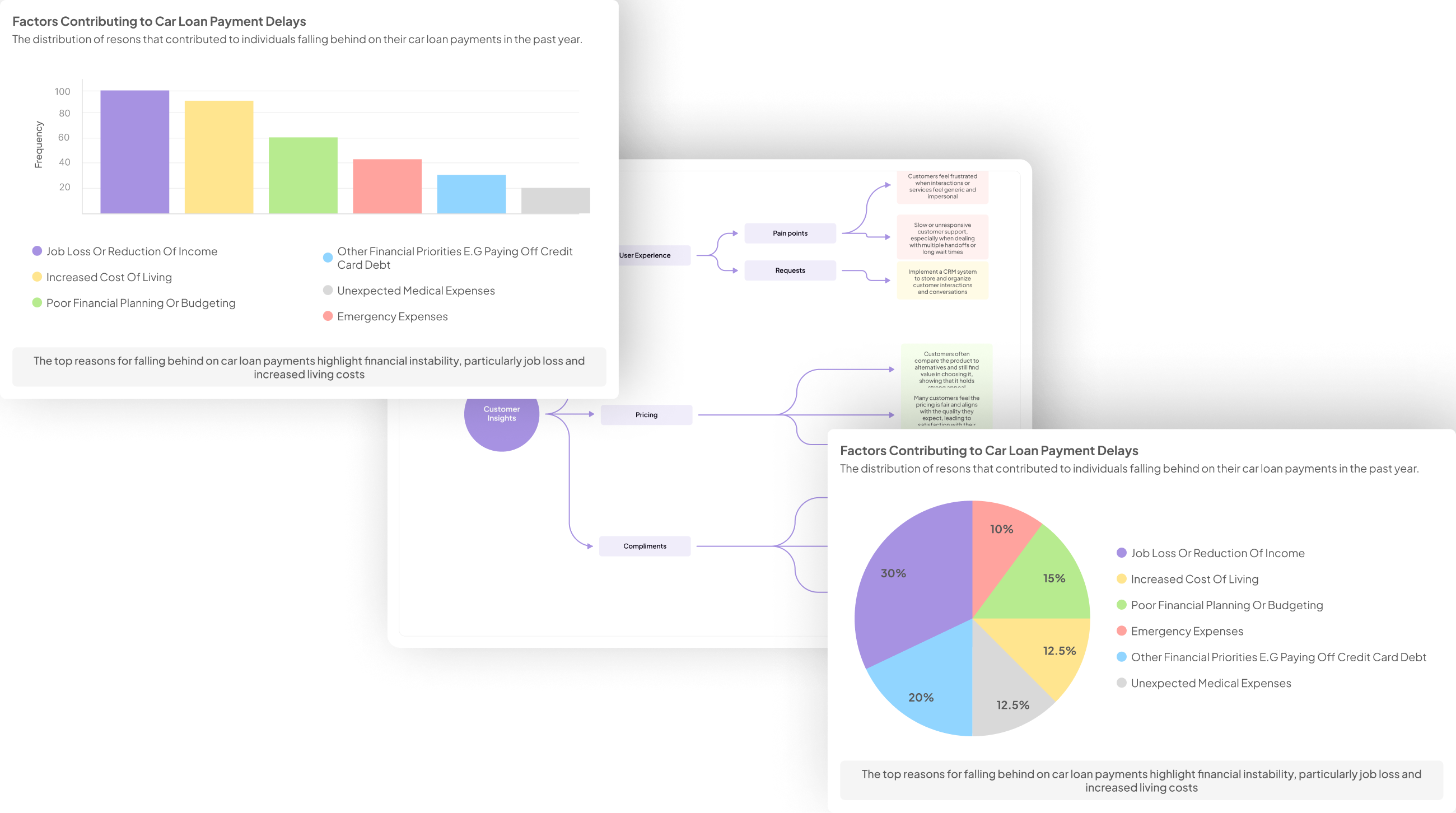
Why Conversational Insight Tools Matter
Conversational Insight Tools play a crucial role in today's data-driven environment. Organizations are generating more conversational data than ever before, but traditional analysis methods often lag behind. This gap highlights the importance of employing these tools to efficiently transform raw customer conversations into meaningful insights. Without these tools, extracting value from conversations becomes a cumbersome task, leaving potential insights buried within unprocessed data.
Furthermore, Conversational Insight Tools facilitate a proactive approach to customer interactions. By analyzing conversations in real-time, businesses can respond quickly to customer needs, thereby enhancing their service quality. They also streamline collaboration among teams by consolidating insights into accessible formats, reducing the time spent searching for information. In short, the adoption of Conversational Insight Tools not only sharpens competitive edges but also fosters a culture of continuous improvement through data-informed decision-making. This is why they matter more than ever in today’s fast-paced market.
The Growing Importance of AI in Conversations
AI is reshaping how we interact through conversations, making it essential for organizations to harness these technologies. The advent of Conversational Insight Tools has revolutionized the way insights are derived from customer interactions. Companies are now experiencing a surge in customer data, yet traditional methods of analysis struggle to keep pace.
As businesses engage in more dialogues with customers, it becomes imperative to convert these conversations into actionable insights. AI technology can analyze large volumes of conversational data, allowing organizations to identify trends, improve service, and enhance customer experiences. By leveraging AI, companies can bridge gaps in communication, streamline processes, and foster a proactive approach in understanding customer needs. This growing importance of AI in conversations signifies a shift toward smarter business strategies, ultimately enabling businesses to stay competitive in a rapidly evolving market.
Transforming Raw Data into Actionable Insights
Transforming raw data into actionable insights is a critical step in understanding customer behavior. Many businesses collect vast amounts of conversational data but struggle to derive meaningful insights. By utilizing Conversational Insight Tools, organizations can analyze recorded calls and transcripts to identify key themes, hit pain points, and uncover customer desires. This process not only streamlines data analysis but also enhances decision-making.
The transformation occurs through robust analytical frameworks that categorize and extract valuable information. Insight cards, for example, summarize critical points from conversations, showcasing customer quotes that serve as direct evidence. With the ability to query data and receive real-time insights, users can easily access pertinent information, allowing businesses to pivot strategies based on user feedback and trends. Thus, effectively turning raw conversational data into actionable insights empowers organizations to create improved experiences while fostering customer loyalty.
Top Conversational Insight Tools for Generating Insights
Conversational Insight Tools serve as essential instruments for extracting actionable insights from discussions and interactions. They provide businesses the ability to transform raw conversational data into meaningful information. This transformation allows organizations to identify pain points, customer desires, and overall sentiment, enriching their understanding of customer experiences.
Some of the leading tools available include IBM Watson, known for its powerful AI capabilities, and Google Dialogflow, which enhances customer interaction seamlessly. Microsoft Power Virtual Agents simplifies user experience by enabling easy creation of chatbots without extensive technical knowledge. Each of these tools offers unique functionalities that can help businesses derive insights efficiently from their conversations, driving informed decision-making and improving overall strategies. As organizations embrace these tools, they gain a competitive edge in understanding their customers better.
insight7: Leading the Charge
Navigating the complex realm of customer interactions is essential for modern businesses. In this context, Conversational Insight Tools are emerging as vital instruments for extracting valuable insights from dialogues. These tools empower organizations to analyze customer conversations effectively, translating raw data into actionable strategies. This agility enables businesses to stay ahead of the competition, fostering a proactive rather than reactive approach to customer engagement.
Moreover, leading the charge in this space means overcoming traditional analysis barriers. Many organizations grapple with manual processes that stall insights and stymie timely decision-making. By adopting innovative technology, they can efficiently sift through volumes of conversations, uncovering critical customer signals. This transformational capability not only enhances operational efficiency but also strengthens collaboration across teams, making it easier to integrate insights into strategic planning. Ultimately, the promise of Conversational Insight Tools is clear: they elevate customer interactions into a powerful source of competitive advantage.
Google Dialogflow: Enhancing Customer Interaction
Google Dialogflow offers robust capabilities for boosting customer interaction through its intuitive chatbot and voice assistance tools. By enhancing online communication, businesses can create more engaging conversations with their customers. This platform enables organizations to design intelligent bots that respond in real-time, answering questions and gathering customer feedback seamlessly.
With its advanced natural language processing features, Dialogflow can analyze interactions, enabling businesses to derive actionable insights from their conversations. This ability helps companies personalize their strategies, ensuring that customer experiences are tailored to individual needs. In competitive landscapes, being able to react promptly using these insights becomes essential for maintaining an edge. Thus, investing in conversational insight tools like Dialogflow can lead to enhanced engagement and more informed decision-making throughout the organization.
IBM Watson: Harnessing AI Power
IBM Watson stands out as a powerful tool in the realm of Conversational Insight Tools. This technology utilizes natural language processing and machine learning to analyze complex conversations effectively. By interpreting nuances in dialogue, it can identify key themes and sentiments, providing users with rich, actionable insights from interactions.
The system enables organizations to streamline their processes by automating the extraction of meaningful data from conversations. This not only enhances performance analysis but also aids in customer engagement by understanding user needs better. Ultimately, such insights allow companies to refine their approaches, improve efficiency, and adapt to ever-changing market demands. Embracing this AI-driven solution can lead businesses to foster deeper connections with their customers and drive growth in competitive landscapes.
Microsoft Power Virtual Agents: Simplifying User Experience
Microsoft Power Virtual Agents stands out as an essential tool for simplifying user experiences in the realm of conversational insights. With a user-friendly interface, it enables individuals across all levels of an organization to access and analyze data without needing prior training. This democratization of technology empowers teams to generate actionable insights from conversations quickly. Users can seamlessly transcribe interactions and identify key pain points and customer desires, ultimately enhancing their understanding of user experience.
Additionally, the platform allows for efficient data organization and analysis, grouping multiple conversations into projects. This feature facilitates broader analysis, enabling users to explore trends and insights across vast amounts of data. By summarizing crucial themes and providing evidence from actual conversations, it transforms raw data into valuable insights. This makes it easier for teams to implement changes that enhance customer satisfaction and drive business success.
Conclusion: The Future of Conversational Insight Tools
The future of Conversational Insight Tools holds immense promise as businesses increasingly recognize the value of understanding customer conversations. These tools will evolve to become more intuitive, enabling organizations to extract insights swiftly and efficiently. As technology improves, the ability to analyze vast amounts of conversation data will empower businesses to make informed decisions, leading to enhanced customer experiences and operational efficiencies.
Moreover, as companies shift toward data-driven strategies, the role of conversational insights will become critical in shaping their competitive edge. Embracing advancements in AI and machine learning will allow for deeper understanding and engagement with customers. Ultimately, the future will see a shift where timely insights translate into actionable business strategies, ensuring that organizations remain ahead in a rapidly changing marketplace.










