

Best AI practice for dealing with difficult customers in service lanes
-
 Bella Williams
 - 10 min read

Dealing with difficult customers in service lanes is a challenge every dealership faces. Whether it's a trade-in dispute, financing rejection, service complaint, or sales objection, these interactions can significantly impact customer satisfaction index (CSI) scores, customer retention, and ultimately, revenue. With the rise of artificial intelligence (AI), dealerships now have powerful tools at their disposal to navigate these tough conversations effectively. This blog post will explore the best AI practices for managing difficult customer interactions, ensuring that your team is well-equipped to handle any situation that arises.
Understanding Customer Mindset
Typical Emotional States:
Customers entering the service lane often carry emotional baggage. They may feel disappointed over a low trade-in value, frustrated by financing rejections, anxious about unexpected repair costs, or skeptical about sales pricing. Understanding these emotional states is crucial for effective communication.
Common Triggers:
- Feeling undervalued: When customers perceive their trade-in value as lower than expected, it can lead to feelings of being undervalued.
- Embarrassment about credit rejection: Customers facing financing issues may feel embarrassed, making them defensive.
- Anger over unexpected repair costs: Surprise charges can trigger anger, especially if customers feel misled.
Why Traditional Approaches Fail:
Standard scripts or defensive responses often backfire in these situations. Customers can sense insincerity, and a lack of empathy can escalate their frustration. Instead of feeling heard, they may feel dismissed, leading to a negative experience that can impact their loyalty.
The Education Moment (Building Understanding)
For Trade-In Scenarios:
When explaining trade-in values, use AI tools to provide market data and historical pricing trends. For instance, Insight7 can help you present the rationale behind the valuation transparently, showing customers how their vehicle's condition and market demand affect pricing. This approach helps customers feel informed rather than frustrated.
For Financing Situations:
AI can assist in explaining credit scores and financing options without sounding condescending. By utilizing AI-driven simulations, service advisors can role-play difficult financing conversations, ensuring they approach each interaction with empathy and clarity.
For Service Issues:
When discussing diagnostic findings or repair necessities, AI can help translate technical jargon into customer-friendly language. Insight7 allows service advisors to practice these conversations, ensuring they can explain complex issues in a way that customers understand and appreciate.
For Sales Objections:
AI can be used to reframe pricing or feature concerns by providing data-driven insights. For instance, if a customer questions the value of a service package, AI can generate comparisons with competitor offerings, helping the advisor to present a compelling case.
Handling Emotional Escalation
De-escalation Techniques:
- Acknowledge: Start by acknowledging the customer's feelings. For instance, "I understand why you feel frustrated about the repair costs."
- Validate: Use phrases like, "It's completely reasonable to expect transparency in pricing."
- Redirect: Guide the conversation towards solutions. For example, "Let’s explore some options that can help ease your concerns."
The Empathy Formula:
- Acknowledge: "I see how this situation can be upsetting."
- Validate: "Your feelings are valid; many customers feel the same way."
- Redirect: "What I can do is offer you a few options to consider."
By incorporating these techniques into conversations, service advisors can effectively manage customer emotions, reducing the likelihood of escalation.
The Solution Presentation
Tiered Approach:
When presenting solutions, consider offering multiple options to customers:
- Option 1: The ideal solution that meets their needs fully.
- Option 2: A compromise that provides some value while addressing their concerns.
- Option 3: An alternative that maintains the relationship, even if a deal isn't closed immediately.
How to Present Each Option:
Use a framework that emphasizes understanding and collaboration. For instance, "I understand you’re concerned about the cost. Here’s what we can do…"
This approach not only presents solutions but also reinforces the customer’s sense of agency in the decision-making process.
Measuring Success
Conversation Quality Indicators:
- Emotional de-escalation achieved
- Successful objection reframing
- Compliance language used correctly
- Clear next steps established
- CSI risk minimized
AI Coaching Metrics:
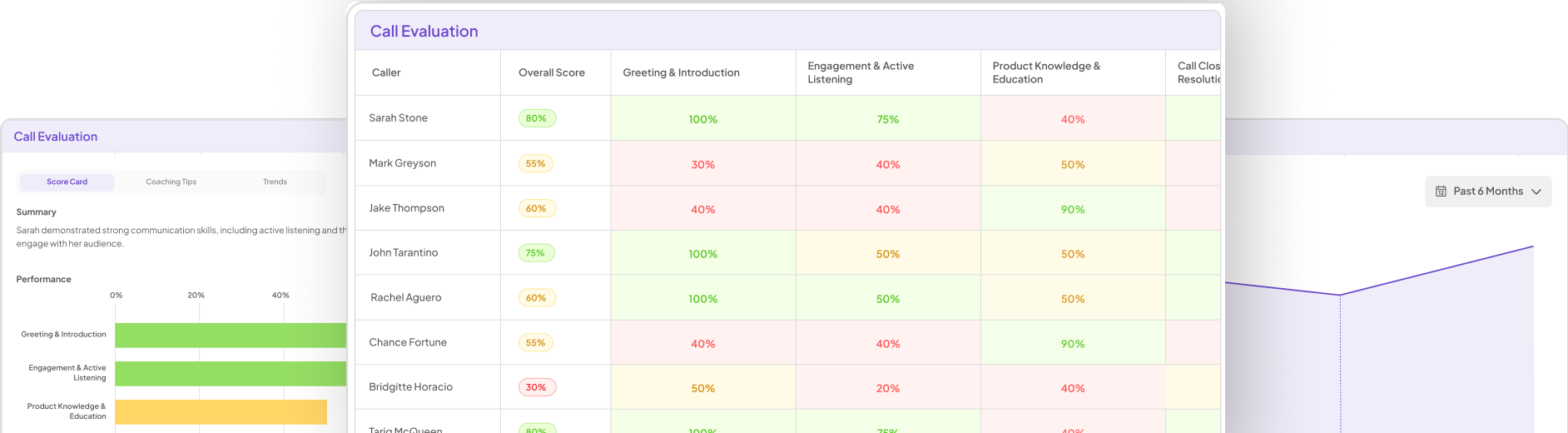
AI tools like Insight7 can score conversations based on empathy, clarity, and resolution effectiveness. By tracking these metrics, dealerships can identify areas for improvement and ensure their teams are consistently delivering high-quality customer interactions.
Dealership Business Impact:
Improved skills in handling difficult conversations can lead to higher CSI scores, increased customer retention, and ultimately, greater revenue. By leveraging AI in training and roleplay scenarios, dealerships can transform challenging customer interactions into opportunities for building trust and loyalty.
In conclusion, the integration of AI into customer service practices in service lanes offers a transformative approach to dealing with difficult customers. By understanding customer emotions, employing effective communication strategies, and utilizing AI tools for training and support, dealerships can enhance their service quality and drive better business outcomes.