
Assessment-Based Leadership Programs with AI Practice Integration
-
 Bella Williams
 - 10 min read

Assessment-based leadership programs that integrate AI practice are revolutionizing how organizations develop their leaders. By leveraging AI technologies, these programs can provide real-time feedback and insights, enhancing the assessment process and making it more effective. AI tools can analyze communication styles, emotional intelligence, and decision-making patterns, allowing for personalized coaching and targeted development plans. This integration not only streamlines the evaluation of leadership competencies but also helps organizations identify potential leaders more accurately. As a result, companies can foster a culture of continuous improvement and agility, ensuring their leaders are well-equipped to navigate the complexities of modern business environments. This article will explore the benefits, methodologies, and future trends of AI-enhanced leadership assessments.
Understanding Assessment-Based Leadership Programs
Understanding Assessment-Based Leadership Programs with AI Practice Integration
Assessment-based leadership programs that incorporate AI practice integration are transforming how organizations approach leadership development. By utilizing AI technologies, these programs can provide comprehensive evaluations of leadership competencies, enabling organizations to identify and nurture potential leaders more effectively. AI tools, such as Insight7's AI-powered call analytics, can analyze various aspects of leadership interactions, including communication styles, emotional intelligence, and decision-making patterns. This data-driven approach allows for personalized coaching and targeted development plans that are tailored to individual needs.
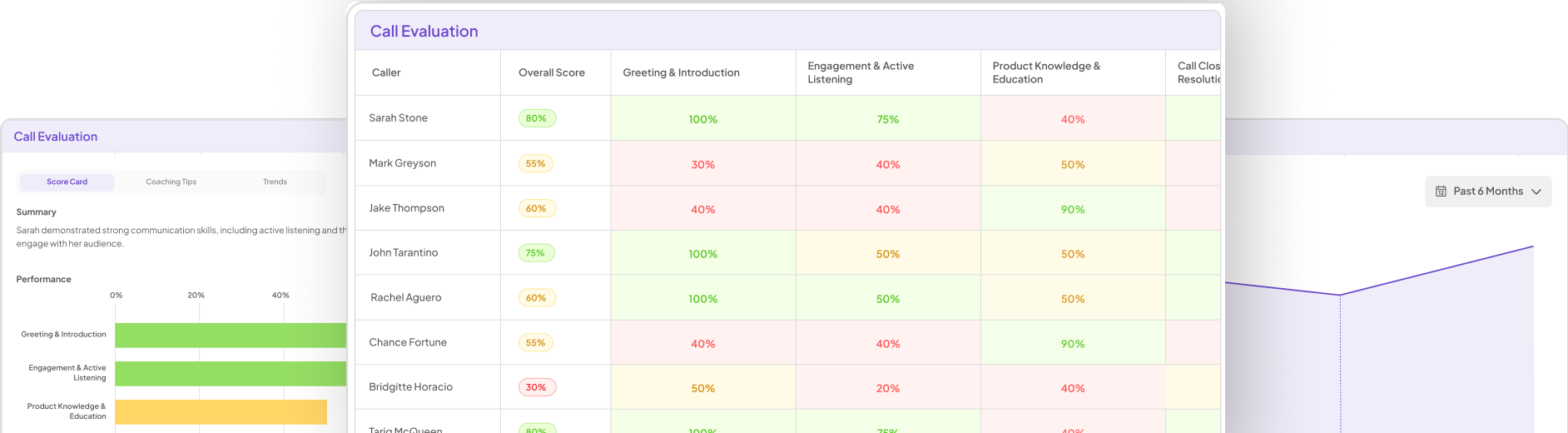
One of the core capabilities of AI-enhanced assessment programs is the ability to automatically evaluate interactions, such as customer calls, against custom quality criteria. For instance, Insight7's platform can assess 100% of customer-facing conversations, scoring them based on factors like sentiment, empathy, and resolution effectiveness. This level of analysis provides leaders with unbiased insights that can inform coaching strategies and performance management initiatives. By continuously monitoring these interactions, organizations can track agent performance over time, identify skill gaps, and suggest targeted coaching recommendations that align with their leadership development goals.
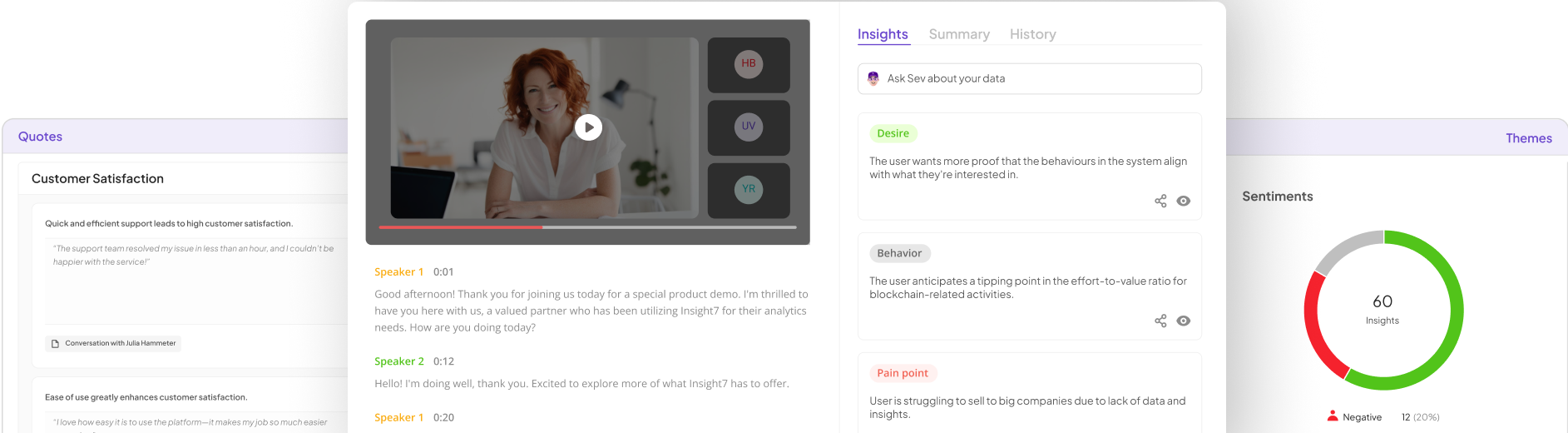
Moreover, AI-driven assessment programs can uncover recurring customer pain points and sentiment trends, which are invaluable for refining service processes and improving overall customer experience. By detecting upsell and cross-sell opportunities in real time, organizations can not only enhance their service quality but also drive revenue growth. This integration of AI into leadership assessment programs ensures that leaders are equipped with the insights needed to make informed decisions and foster a culture of continuous improvement.
The benefits of integrating AI into assessment-based leadership programs extend beyond immediate performance metrics. These programs empower organizations to create a more agile and responsive leadership pipeline. By leveraging AI analytics, leaders can identify emerging trends and adapt their strategies accordingly, ensuring they remain competitive in an ever-evolving business landscape. This proactive approach to leadership development fosters a culture of innovation and adaptability, which is essential for navigating the complexities of modern business environments.
As organizations continue to embrace AI technologies, the methodologies for implementing assessment-based leadership programs will evolve. Future trends may include the use of advanced machine learning algorithms to predict leadership potential based on historical performance data and behavioral patterns. Additionally, the integration of AI with other emerging technologies, such as virtual reality and gamification, could further enhance the assessment experience, making it more engaging and effective for participants.
In conclusion, assessment-based leadership programs that incorporate AI practice integration represent a significant advancement in leadership development. By harnessing the power of AI analytics, organizations can provide personalized coaching, identify potential leaders more accurately, and foster a culture of continuous improvement. As these programs evolve, they will play a crucial role in shaping the future of leadership within organizations, ensuring that leaders are well-equipped to meet the challenges of tomorrow.
Key AI Tools for Leadership Assessment
Assessment-based leadership programs with AI practice integration are transforming the landscape of leadership development. By leveraging AI technologies, organizations can enhance the assessment process, providing real-time feedback and insights that are crucial for effective leadership growth. These programs utilize AI tools to analyze communication styles, emotional intelligence, and decision-making patterns, allowing for personalized coaching and targeted development plans tailored to individual needs.
For instance, Insight7's AI-powered call analytics platform evaluates customer-facing conversations, scoring them based on sentiment, empathy, and resolution effectiveness. This comprehensive analysis not only delivers unbiased insights for coaching strategies but also helps organizations identify potential leaders more accurately. By continuously monitoring interactions, companies can track performance, identify skill gaps, and refine service processes, fostering a culture of continuous improvement and agility in leadership.
Comparison Table
Assessment-based leadership programs with AI practice integration are revolutionizing how organizations cultivate leadership talent. By employing AI technologies, these programs can offer in-depth evaluations of leadership competencies, enabling more effective identification and development of potential leaders. For example, Insight7's AI-powered call analytics platform assesses customer-facing conversations, scoring them on critical factors such as sentiment, empathy, and resolution effectiveness. This data-driven approach not only yields unbiased insights for coaching but also supports continuous performance monitoring, helping organizations pinpoint skill gaps and refine their leadership development strategies.
Moreover, these AI-enhanced programs can uncover recurring customer pain points and sentiment trends, which are essential for improving service quality and driving revenue growth. As organizations increasingly adopt AI technologies, the methodologies for implementing these leadership programs will continue to evolve, fostering a culture of innovation and adaptability crucial for navigating the complexities of modern business environments.
Selection Criteria
Content for section: Selection Criteria – comprehensive analysis and insights.
Frequently Asked Questions
Q: What are assessment-based leadership programs with AI practice integration?
A: These programs leverage AI technologies to evaluate leadership competencies, providing data-driven insights that enhance the identification and development of potential leaders within organizations.
Q: How does AI enhance the evaluation process in leadership programs?
A: AI automates the assessment of key leadership skills by analyzing conversations, scoring them on factors like sentiment and empathy, which leads to unbiased insights for coaching and performance monitoring.
Q: What benefits do organizations gain from using AI in leadership assessments?
A: Organizations can uncover recurring trends, identify skill gaps, and refine their leadership development strategies, ultimately improving service quality and driving revenue growth.
Q: Who can benefit from these AI-integrated leadership programs?
A: Customer support and CX teams, QA and enablement managers, and operations leaders can all leverage these programs to enhance service quality and performance management.
Q: How do these programs support continuous improvement in leadership development?
A: By continuously monitoring performance and providing actionable insights, these programs help organizations adapt their leadership training to meet evolving business needs.