

AI roleplay for explaining denied insurance claims without escalating patients
-
 Bella Williams
 - 10 min read

Navigating the world of healthcare communication can be incredibly complex, especially when it comes to discussing sensitive topics like denied insurance claims. Healthcare contact center agents often find themselves in emotionally charged situations, where they must balance empathy with compliance, while adhering to strict regulations like HIPAA. This blog post explores how AI roleplay can be a powerful tool for training agents to explain denied insurance claims without escalating tensions with patients.
The Healthcare Communication Reality
What makes healthcare conversations uniquely difficult:
For patients and families:
- High stakes: Discussions often revolve around health, life, and financial security.
- Fear and vulnerability: Patients may be anxious about their conditions and the implications of insurance denials.
- Medical literacy gaps: Many patients struggle to understand medical jargon, insurance terms, and their implications.
- System frustration: Long wait times, complicated billing processes, and unexpected denials can exacerbate emotional distress.
For agents:
- Regulatory constraints: Agents must navigate HIPAA regulations, which limit what can be shared and with whom.
- Emotional weight: Agents often absorb the fear and frustration of patients, which can be draining.
- Limited authority: Agents typically cannot make medical decisions or approve coverage, leading to feelings of helplessness.
- Moral complexity: Agents may feel torn between following policies and providing the compassionate care that patients need.
The Role of AI Coaching in Healthcare Communication
Traditional healthcare training often focuses heavily on compliance and medical terminology, neglecting the emotional intelligence required to handle difficult conversations. This is where AI coaching comes in. AI roleplay provides a safe space for agents to practice these challenging conversations, allowing them to:
- Verify identity without sounding robotic.
- Explain coverage denials with empathy and clarity.
- Navigate medical errors with honesty and compassion.
Scenario: Explaining a Denied Insurance Claim
Setting: A healthcare contact center where agents interact with patients calling about denied insurance claims.
Participants:
- Agent: A trained healthcare contact center representative.
- Patient: A fictional character representing a distressed individual facing a denied claim.
Process:
Establish Safe Communication:
- The agent begins the call by verifying the patient's identity in a HIPAA-compliant manner.
- The agent reassures the patient, saying, "I understand this is a stressful situation, and I'm here to help you."
Information Exchange with Empathy:
- The agent explains the reason for the denial in plain language, avoiding jargon. For example, "Your claim was denied because the procedure was not pre-authorized."
- The agent checks for understanding, asking, "Does that make sense so far?"
Navigate Difficult Moments:
- If the patient expresses distress, the agent acknowledges their feelings: "I can hear how upsetting this is for you."
- The agent then provides actionable next steps, such as detailing the appeal process or connecting the patient with a financial assistance program.
Outcome:
The patient feels heard and understood, even though the claim was denied. The agent successfully navigates the conversation without escalating the situation, thanks to their training in AI roleplay scenarios.
The Empathy-Compliance Balance
In healthcare communication, agents often face a tension between empathy and compliance. For example, when a family member demands information about a patient, the agent must balance the need to provide support with the legal requirement to verify authorization.
Example:
- Cold compliance: "I can't share information without patient authorization."
- Empathy in compliance: "I understand your concern and want to help. I need to verify if you're authorized to receive this information to protect the patient's privacy."
This approach validates the family member's emotions while adhering to compliance requirements, demonstrating how AI roleplay can help agents practice these critical skills.
Implementing AI Roleplay in Training
To effectively integrate AI roleplay into training programs for healthcare agents, organizations can follow these steps:
Preparation:
- Identify key scenarios where agents struggle, such as explaining denied claims or navigating emotional conversations.
- Develop AI roleplay scenarios that reflect these situations, incorporating realistic patient emotions and responses.
Execution:
- Use platforms like Insight7 to simulate conversations with AI personas that adapt to the agent's responses.
- Encourage agents to practice these scenarios regularly, providing a safe environment to make mistakes and learn.
Evaluation:
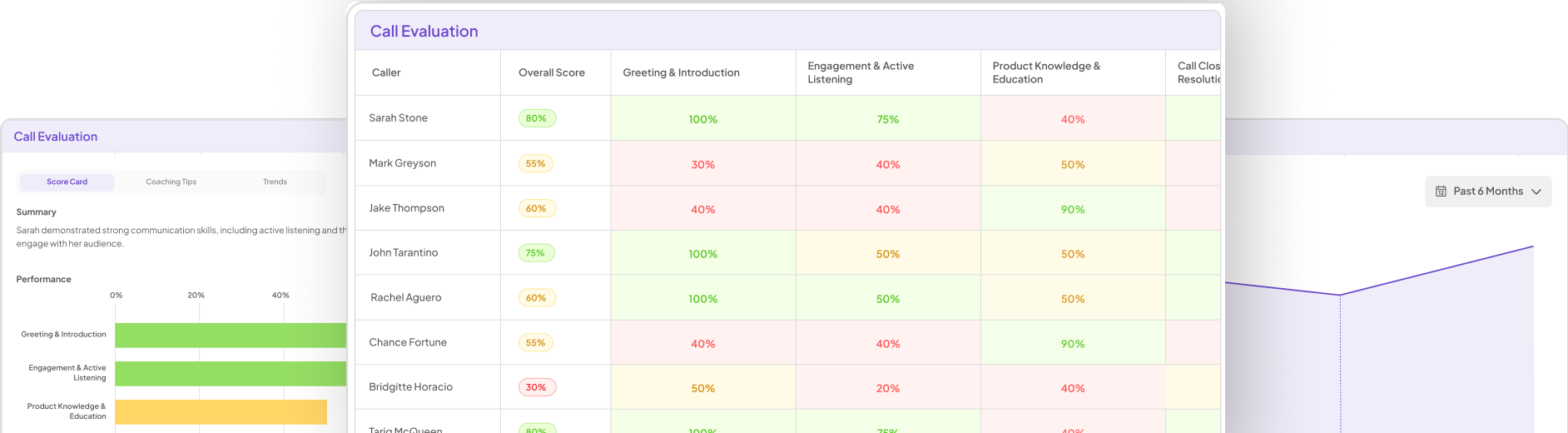
- After each roleplay session, provide agents with feedback on their performance, focusing on areas like empathy, clarity, and compliance.
- Use data-driven insights to identify common challenges and adjust training programs accordingly.
Iteration & Improvement:
- Continuously refine roleplay scenarios based on agent feedback and changing healthcare regulations.
- Encourage a culture of ongoing learning, where agents can share experiences and best practices.
Conclusion
Healthcare conversations will always carry emotional weight, especially when discussing sensitive topics like denied insurance claims. With AI coaching, agents can practice these conversations repeatedly, developing the emotional resilience needed to deliver difficult information with both compliance and compassion. The result is a more empathetic healthcare system where patients feel heard, even when the answers aren't what they hoped for. By implementing AI roleplay training, organizations can empower their agents to navigate these challenging conversations effectively, ultimately improving patient satisfaction and trust in the healthcare system.