
AI roleplay for conflict of interest disclosure with vendors
-
 Bella Williams
 - 10 min read

AI roleplay has emerged as a transformative tool for organizations navigating the complexities of conflict of interest disclosures with vendors. In an era where transparency and ethical practices are paramount, leveraging AI-driven simulations can enhance training and compliance efforts, ensuring that employees are well-equipped to handle sensitive conversations. This blog post explores the context, implementation, and practical value of AI roleplay in conflict of interest scenarios.
The Manufacturing Floor Reality
Understanding the Worker Perspective:
In manufacturing environments, employees often face high-pressure situations where the stakes are significant—safety, quality, and compliance are paramount. Workers are tasked with meeting production goals while ensuring that their actions align with ethical standards. The unique dynamics of these environments, including physical demands, production pressures, and authority skepticism, can complicate the disclosure of conflicts of interest. Employees may fear repercussions or feel uncertain about how to navigate these conversations, especially when it involves vendors who are integral to their operations.
Why Office Management Tactics Fail on the Floor:
- Physical vs. Desk Work Dynamics: Manufacturing workers operate in a fast-paced, hands-on environment that contrasts sharply with the more structured, theoretical approaches often employed in office settings.
- Hourly vs. Salaried Mindset Differences: Workers may prioritize immediate production needs over long-term ethical considerations, leading to conflicts.
- Production Urgency vs. Relationship-Building Time: The pressure to meet quotas can overshadow the importance of building relationships that foster open communication about conflicts of interest.
- Language and Literacy Considerations: Multilingual teams may struggle with understanding compliance requirements, making clear communication essential.
Trust Deficit with Management:
Manufacturing workers often harbor distrust toward management, particularly when they perceive a lack of transparency or support regarding ethical practices. To overcome this trust deficit, organizations must foster an environment where employees feel safe disclosing potential conflicts without fear of retaliation.
AI Roleplay Implementation
Preparation:
To effectively implement AI roleplay for conflict of interest disclosures, organizations must first identify specific scenarios that employees are likely to encounter. This involves gathering insights from frontline workers to understand common challenges and concerns related to vendor interactions.
Execution:
- Scenario Development: Create realistic roleplay scenarios that simulate potential conflicts of interest with vendors. These scenarios should reflect the complexities of the manufacturing environment and the specific ethical dilemmas employees may face.
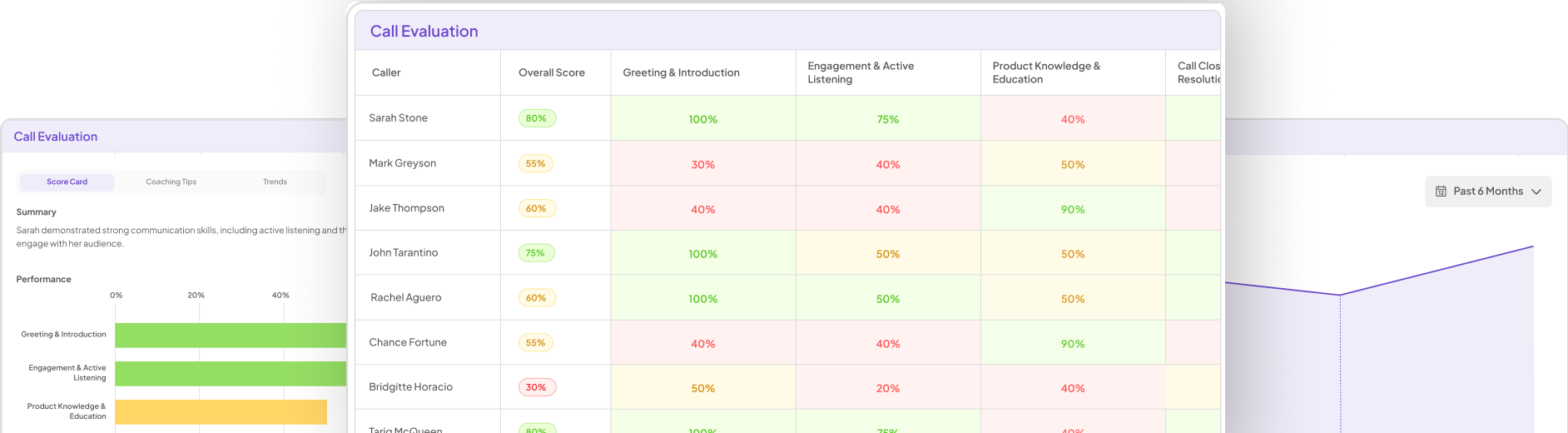
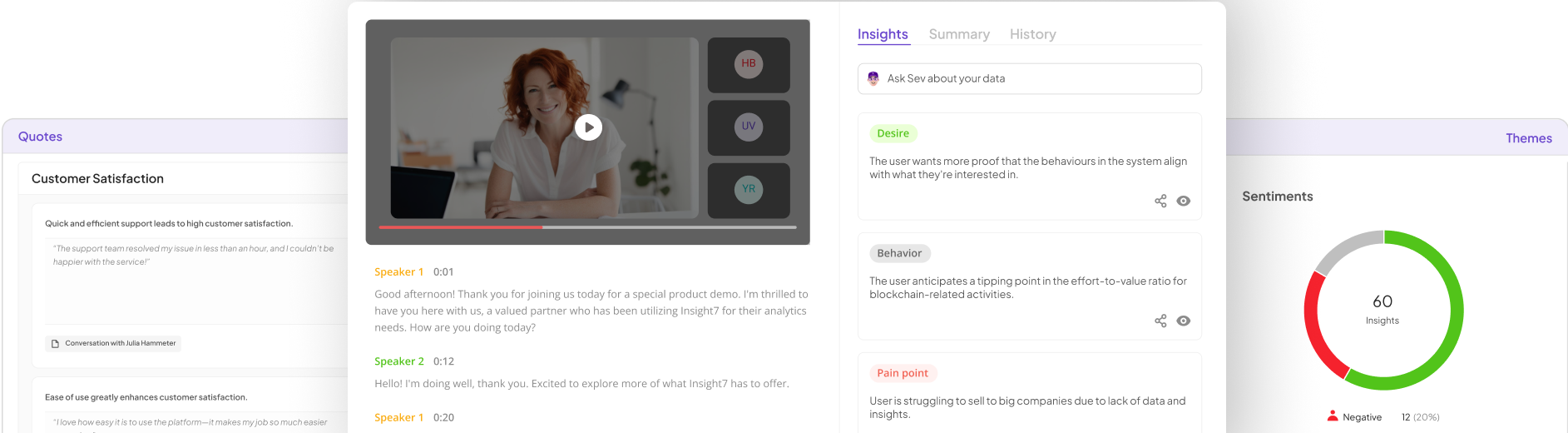
- AI Training: Utilize AI platforms like Insight7 to simulate conversations with AI personas that represent vendors or management. These simulations should adapt to the employee's responses, providing real-time feedback and guidance.
- Roleplay Sessions: Conduct regular roleplay sessions where employees can practice disclosing conflicts of interest in a safe environment. Encourage participants to explore different approaches and strategies for navigating these conversations.
- Feedback Mechanism: After each roleplay session, provide participants with personalized feedback based on their performance. This feedback should highlight strengths and areas for improvement, helping employees refine their communication skills.
Evaluation:
To assess the effectiveness of the AI roleplay training, organizations should measure key performance indicators such as:
- Employee confidence in discussing conflicts of interest
- Frequency and quality of disclosures made to management
- Overall compliance with ethical standards and policies
Iteration & Improvement:
Continuously refine the roleplay scenarios and training materials based on participant feedback and changes in vendor relationships. This iterative approach ensures that the training remains relevant and effective in addressing emerging challenges.
Practical Value of AI Roleplay
AI roleplay for conflict of interest disclosures offers several practical benefits for organizations:
- Enhanced Communication Skills: Employees develop the confidence to engage in difficult conversations, improving their ability to disclose conflicts transparently.
- Increased Compliance: Regular practice through AI simulations reinforces the importance of ethical behavior, leading to higher compliance rates with organizational policies.
- Safe Learning Environment: AI roleplay creates a risk-free space for employees to practice and learn from their mistakes without real-world consequences.
- Scalable Training Solutions: Organizations can easily scale AI roleplay training across teams and locations, ensuring that all employees receive consistent and effective training.
By integrating AI roleplay into their training programs, organizations can foster a culture of transparency and ethical behavior, ultimately enhancing their relationships with vendors and safeguarding their reputations.
Comparison of AI Tools for Roleplay
| Tool | Key Features | Best For |
|---|---|---|
| Insight7 | AI-driven roleplay, real-time feedback, multilingual support | Organizations seeking scalable training solutions |
| Yoodli | Communication practice for presentations and interviews | Teams needing broad communication skills |
| Second Nature | Sales-focused roleplay simulations | Sales teams needing realistic practice |
| Mursion | Immersive simulations with virtual avatars | In-depth interpersonal skills training |
| Roleplay AI | Customizable scenarios for various business contexts | Teams needing tailored roleplay experiences |
Conclusion
AI roleplay is a powerful tool for organizations aiming to improve conflict of interest disclosures with vendors. By creating realistic simulations and providing personalized feedback, companies can equip their employees with the skills necessary to navigate complex ethical situations confidently. This approach not only enhances compliance but also fosters a culture of transparency and trust, ultimately benefiting the organization as a whole. Embracing AI roleplay can lead to significant improvements in communication and ethical practices, positioning organizations for long-term success.