

AI roleplay for conflict of interest disclosure with clients
-
 Bella Williams
 - 10 min read

In the financial services industry, conversations about money can evoke a wide range of emotions. When clients face issues like denied insurance claims, loan rejections, or investment losses, they often find themselves in vulnerable positions. These discussions are not merely transactional; they are deeply tied to clients' feelings of security, self-worth, and stability in their lives. As a financial services agent, navigating these emotional complexities while ensuring compliance and transparency can be challenging.
Traditional training methods often focus on compliance and scripted responses, leaving agents unprepared for the emotional intensity of these interactions. While agents are taught to deliver bad news and adhere to policies, they may struggle to connect with clients on a human level. This is where AI roleplay comes into play, offering a transformative approach to training that allows agents to practice high-stakes conversations in a safe environment.
The Role of AI Roleplay in Conflict of Interest Disclosure
AI roleplay is an innovative training tool that enables financial services agents to simulate real-life scenarios involving conflict of interest disclosures. By leveraging artificial intelligence, agents can engage in roleplay exercises that mimic the emotional intensity of client interactions, allowing them to develop empathy while maintaining professional boundaries.
Benefits of AI Roleplay:
- Safe Practice Environment: Agents can practice difficult conversations without the risk of harming real clients or violating compliance regulations.
- Realistic Emotional Simulation: AI can simulate various client emotions, such as anger, confusion, or desperation, helping agents prepare for the emotional landscape of their conversations.
- Immediate Feedback: After each roleplay session, agents receive instant feedback on their performance, allowing them to identify strengths and areas for improvement.
- Personalized Scenarios: AI can adapt scenarios based on the agent's skill level and learning needs, ensuring that each practice session is relevant and effective.
Implementing AI Roleplay for Conflict of Interest Disclosure
To effectively integrate AI roleplay into training programs for conflict of interest disclosures, organizations should follow a structured approach. This involves preparation, execution, evaluation, and iteration.
Preparation:
- Define Learning Objectives: Identify specific skills agents need to develop, such as empathy, clarity in communication, and conflict resolution.
- Select Scenarios: Choose or create scenarios that reflect common situations agents face when discussing conflicts of interest with clients.
Execution:
- Engage in Roleplay: Agents participate in AI-driven roleplay sessions, where they interact with a simulated client. The AI adapts its responses based on the agent's communication style and emotional cues.
- Practice Key Skills: Focus on delivering clear explanations about conflicts of interest, validating client emotions, and offering actionable next steps.
Evaluation:
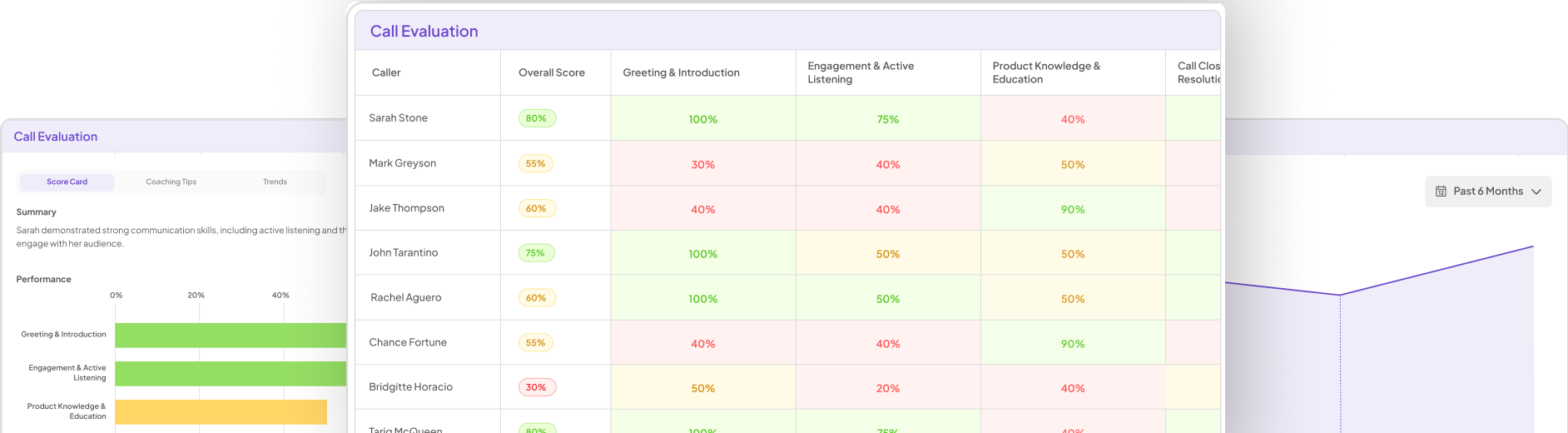
- Assess Performance: After each roleplay session, agents receive feedback on their communication behaviors, including empathy, clarity, and active listening.
- Identify Skill Gaps: Use performance data to pinpoint areas where agents may need additional training or support.
Iteration & Improvement:
- Refine Scenarios: Continuously update and refine roleplay scenarios based on agent feedback and evolving industry standards.
- Encourage Ongoing Practice: Foster a culture of continuous learning by encouraging agents to regularly engage in AI roleplay sessions.
Practical Value of AI Roleplay in Financial Services
The practical value of AI roleplay extends beyond training sessions. By equipping agents with the skills to handle emotionally charged conversations, organizations can improve client satisfaction and trust. When clients feel heard and understood, even in difficult situations, they are more likely to maintain a positive relationship with their financial service provider.
Key Outcomes:
- Enhanced Communication Skills: Agents develop the ability to communicate complex information clearly and empathetically, which is crucial when discussing conflicts of interest.
- Increased Client Trust: By handling sensitive conversations with care, agents can build stronger relationships with clients, fostering loyalty and trust.
- Improved Compliance: With better training, agents are less likely to make mistakes that could lead to compliance issues, protecting both the client and the organization.
Conclusion
AI roleplay for conflict of interest disclosure is a game-changer for financial services training. By providing a safe, realistic environment for agents to practice their communication skills, organizations can enhance client interactions and build trust. As financial conversations remain inherently emotional, the ability to navigate these discussions with empathy and clarity is more critical than ever. Embracing AI roleplay not only prepares agents for the challenges they face but also positions financial institutions to thrive in an increasingly complex landscape.