AI for rail contractors: Manage call data from subcontractors using different phone systems
-
 Bella Williams
 - 10 min read

In the rapidly evolving landscape of the rail industry, effective communication is paramount. Rail contractors often face the challenge of managing call data from subcontractors who utilize various phone systems, including personal devices. With increasing regulatory demands, particularly from Network Rail's NR/L3/OPS/301 standards, the need for a robust solution to monitor, record, and analyze these communications has never been more critical. This blog post explores how AI can streamline call data management for rail contractors, ensuring compliance and enhancing operational efficiency.
The Safety Critical Communications Challenge
The rail industry operates under stringent safety protocols, where every verbal instruction can significantly impact operational safety. The challenge lies in ensuring that all safety-critical communications (SCCs) are recorded and auditable, especially when subcontractors use their own devices.
The Manual Review Problem:
Traditional SCC Monitoring: Supervisors typically review a small sample of calls manually, leading to retrospective compliance checks. This approach often results in issues being identified weeks or months after they occur, leaving contractors and subcontractors without visibility into their communication practices.
Scalability Crisis: With a workforce of 500 workers making 50 calls a day, this results in 25,000 calls daily. Manual reviews cover only 1-2% of these communications, leaving over 98% unmonitored and increasing the risk of compliance failures.
Regulatory Pressure: The upcoming compliance deadline of March 2026 under NR/L3/OPS/301 mandates that all safety-critical communications must be recorded and retrievable. Failure to comply can lead to severe operational and legal repercussions.
How AI Call Recording Analysis Works
AI technology offers a transformative solution to the challenges faced by rail contractors in managing call data. Here’s how it works:
The AI Pipeline:
Step 1: Call Recording Capture
AI systems can capture voice recordings from various sources, including mobile calls, VoIP systems (like Zoom and Teams), and on-train communications. This ensures that all communications, regardless of the device used, are recorded.
Step 2: Speech-to-Text Transcription
The AI transcribes recordings with over 95% accuracy, recognizing rail-specific terminology and aligning timestamps for easy reference.
Step 3: Protocol Analysis
AI analyzes transcripts against established safety-critical communication protocols. It detects issues such as:
- Phonetic alphabet usage errors
- Repeat-back compliance
- Message structure adherence
- Ambiguous language
Step 4: Scoring & Flagging
AI provides an overall compliance score and flags specific protocol violations, allowing for immediate corrective actions.
Step 5: Insights & Reporting
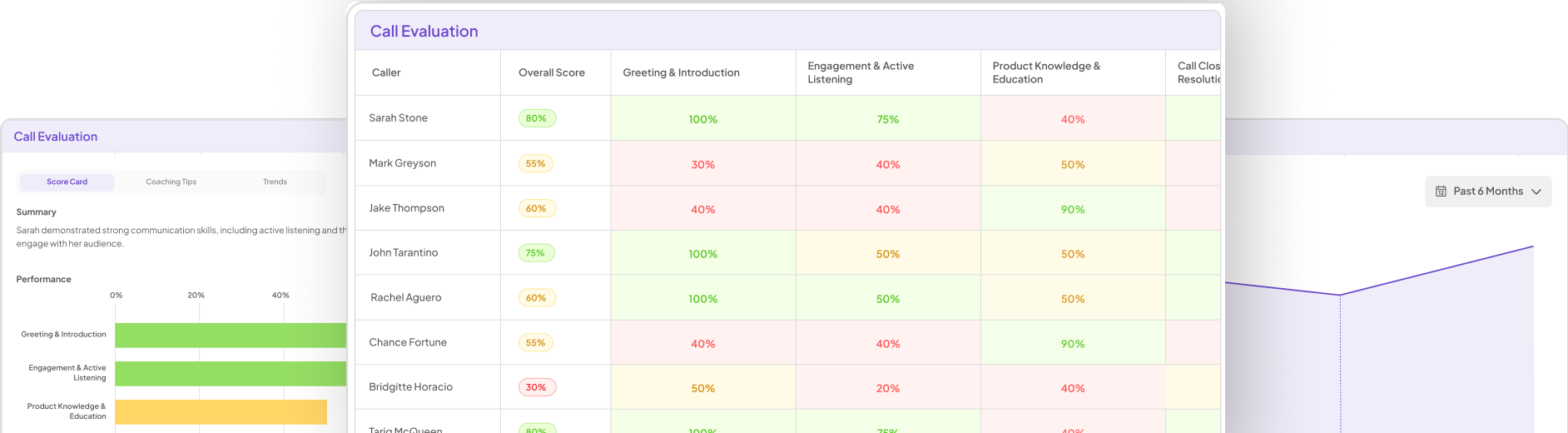
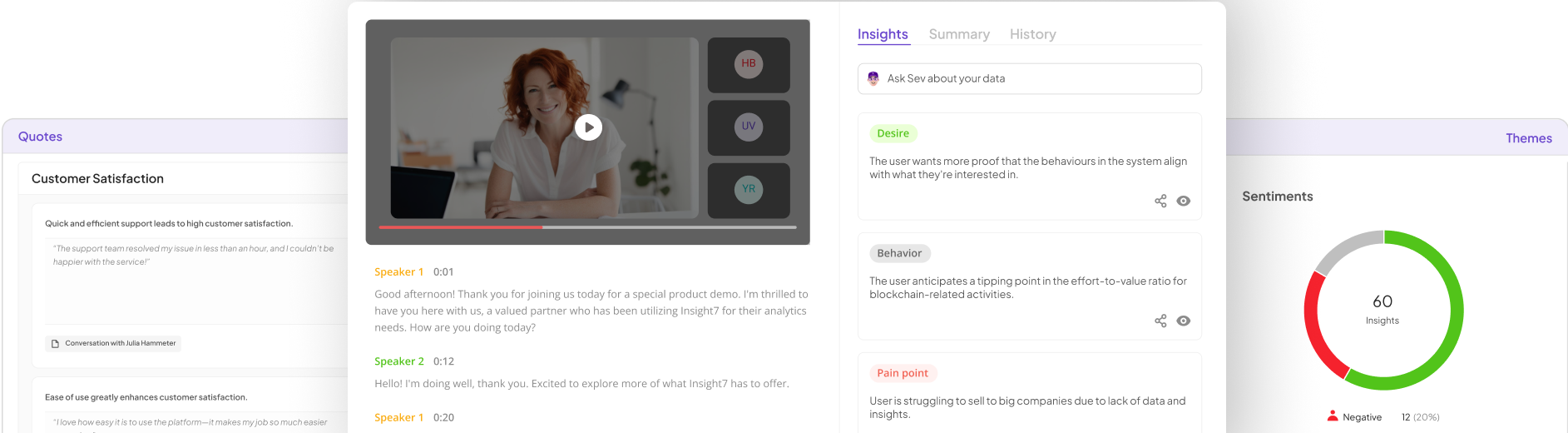
Users gain access to dashboards that visualize performance trends, compliance statistics, and training needs, enabling proactive management of communication practices.
Implementation & Integration
Implementing an AI-driven call data management system involves several critical steps:
Preparation:
- Define Scope: Identify which communications need to be recorded and who will be monitored, including internal teams and subcontractors.
- Select Technology: Choose a solution that integrates with various phone systems, supports BYOD policies, and complies with regulatory standards.
Execution:
- Recording Capture Options: Implement a solution that records calls across different networks and devices, ensuring no communication is missed.
- Cloud Storage: Use centralized cloud storage for easy access and compliance with retention policies.
- User Training: Train staff on how to use the new system effectively, ensuring they understand the importance of compliance.
Evaluation:
- Monitor Performance: Regularly assess the effectiveness of the AI system in capturing and analyzing communications.
- Feedback Loops: Create mechanisms for users to provide feedback on the system's functionality and areas for improvement.
Iteration & Improvement:
- Continuous Updates: Regularly update the AI algorithms to improve accuracy and adapt to changing regulatory requirements.
- Training Adjustments: Adjust training programs based on insights gained from AI analysis to address identified gaps in communication practices.
Business Impact & Use Cases
The implementation of AI in managing call data offers significant benefits for rail contractors:
Protocol Failure Detection: AI can quickly identify critical failures such as missing phonetic alphabet usage or lack of repeat-backs on safety-critical instructions. This rapid detection can prevent incidents before they escalate.
Workforce Monitoring at Scale: With AI, contractors can achieve 100% visibility of recorded calls, ensuring that every worker's communication is monitored continuously.
Training & Coaching: Instead of generic annual refreshers, AI-driven insights allow for targeted training interventions based on real data. For example, if a worker consistently fails to use the phonetic alphabet, they can receive personalized coaching to improve their performance.
Incident Investigation: In the event of an incident, AI enables rapid retrieval of relevant calls, providing investigators with immediate access to critical information, thus streamlining the investigation process.
By adopting AI-driven solutions, rail contractors can not only meet compliance requirements but also enhance overall operational efficiency and safety. The integration of these technologies positions organizations to respond proactively to communication challenges, ensuring that safety remains the top priority in all operations.