
AI feedback for healthcare staff handling denied insurance claim calls
-
 Bella Williams
 - 10 min read

In the complex world of healthcare, conversations often carry profound emotional weight. Healthcare staff, particularly those handling denied insurance claims, face the daunting task of balancing empathy with compliance. They must convey difficult information while adhering to HIPAA standards, all while navigating emotionally charged situations that can involve fear, anxiety, and life-altering decisions. This blog post explores how AI feedback can empower healthcare staff to manage these challenging calls more effectively.
The Healthcare Conversation Reality
Healthcare contact center agents encounter unique situations that set them apart from their counterparts in other industries. When patients call about denied coverage, they may be facing medical emergencies or financial distress. Families often demand information about loved ones, even when privacy laws restrict disclosure. Billing disputes over treatments that did not yield the expected results add another layer of complexity. Each interaction is not only heavy with emotional stakes but also fraught with regulatory risks.
For patients and families, the stakes are incredibly high. They experience fear and vulnerability, often asking questions like, "Is this cancer?" or "Can we afford this treatment?" On the other hand, agents must navigate regulatory constraints, absorbing the emotional weight of each call while maintaining compliance. They often feel limited in their authority to make decisions, which can lead to moral dilemmas as they strive to provide the best possible care within the confines of policy.
The Communication Framework
To effectively manage these conversations, a structured communication framework is essential. This framework comprises three key phases:
Phase 1: Establish Safe Communication
- HIPAA Compliant Identity Verification: While necessary, this can feel cold to patients. Agents should strive to create a welcoming environment.
- Create Psychological Safety: Reassure the caller that they are in the right place and that help is available.
- Assess Emotional State: Determine whether the caller is calm, anxious, or in crisis to tailor the response accordingly.
Phase 2: Information Exchange with Empathy
- Lead with Empathy: Begin the conversation by acknowledging the caller's feelings before diving into the details.
- Translate Jargon: Use plain language to explain medical and insurance terms, ensuring understanding.
- Check for Understanding: Regularly ask if the information makes sense to the caller.
Phase 3: Navigate Difficult Moments
- Deliver Bad News Compassionately: Be direct yet gentle when conveying unfavorable information.
- Acknowledge System Failures: If applicable, recognize that the system can sometimes fall short without placing blame.
- Provide Actionable Next Steps: Ensure that the caller leaves with a clear understanding of what to do next.
AI Coaching for Healthcare Staff
Traditional healthcare training often emphasizes HIPAA compliance and medical terminology, but it frequently overlooks the emotional intelligence necessary for delivering bad news and de-escalating tense situations. This is where AI coaching comes into play. AI provides a safe space for agents to practice these challenging conversations, allowing them to refine their skills without the risk of harming real patients.
How AI Coaching Works:
- Simulated Conversations: AI platforms like Insight7 enable agents to engage in realistic roleplay scenarios that mimic real-life interactions.
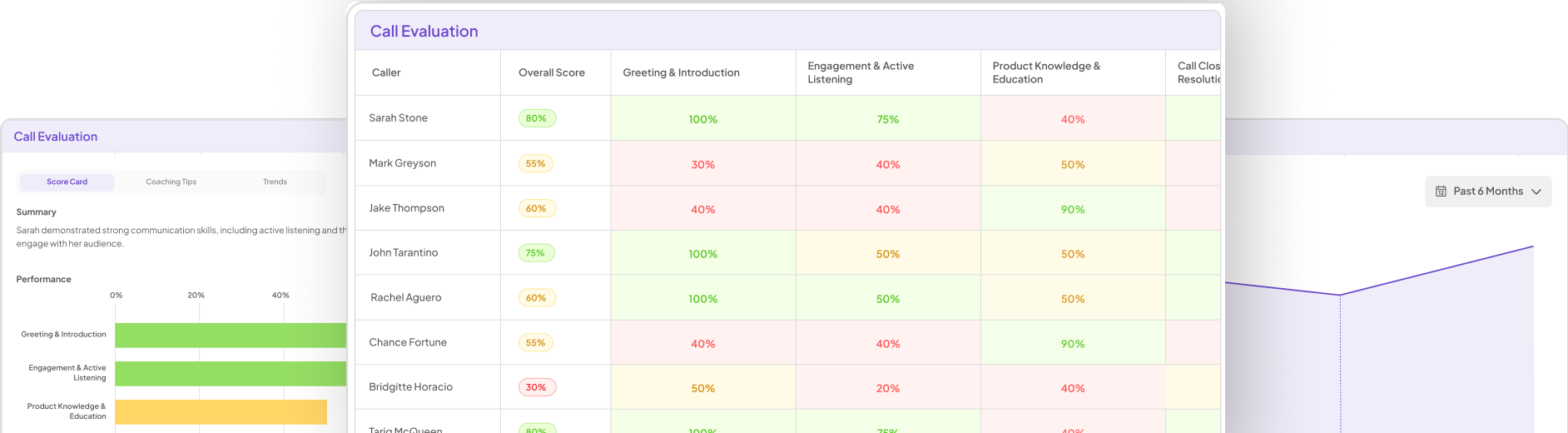
- Immediate Feedback: After each practice session, agents receive data-driven feedback on their communication skills, including empathy, clarity, and compliance.
- Skill Development: Repeated practice helps agents build emotional regulation skills, enabling them to remain calm and composed during high-stakes calls.
Implementation of AI Coaching
Preparation:
- Identify specific scenarios that healthcare staff frequently encounter, such as handling denied insurance claims or discussing medical errors.
Execution:
- Utilize AI platforms to simulate these scenarios, allowing agents to practice their responses in a controlled environment.
- Encourage agents to explore different approaches and receive feedback on their performance.
Evaluation:
- Assess the effectiveness of the training by measuring improvements in communication skills and patient satisfaction.
- Gather data on the frequency of successful resolutions during real calls post-training.
Iteration & Improvement:
- Continuously refine training scenarios based on agent performance and evolving healthcare regulations.
- Incorporate new case studies and feedback from agents to keep the training relevant and impactful.
The Future of Healthcare Conversations
As the healthcare landscape continues to evolve, the role of AI in coaching and training healthcare staff will become increasingly vital. By integrating AI feedback into their training programs, healthcare organizations can enhance the skills of their staff, enabling them to navigate emotionally charged conversations with greater confidence and compassion.
The reality is that healthcare conversations will always carry emotional weight. However, with the support of AI coaching, agents can practice these interactions, develop the resilience needed to handle difficult situations, and learn to deliver challenging information with both compliance and empathy. The result is a more compassionate healthcare experience for patients and families, as well as a more empowered workforce capable of managing the complexities of their roles effectively.